 Sign In



 International
News release
From:
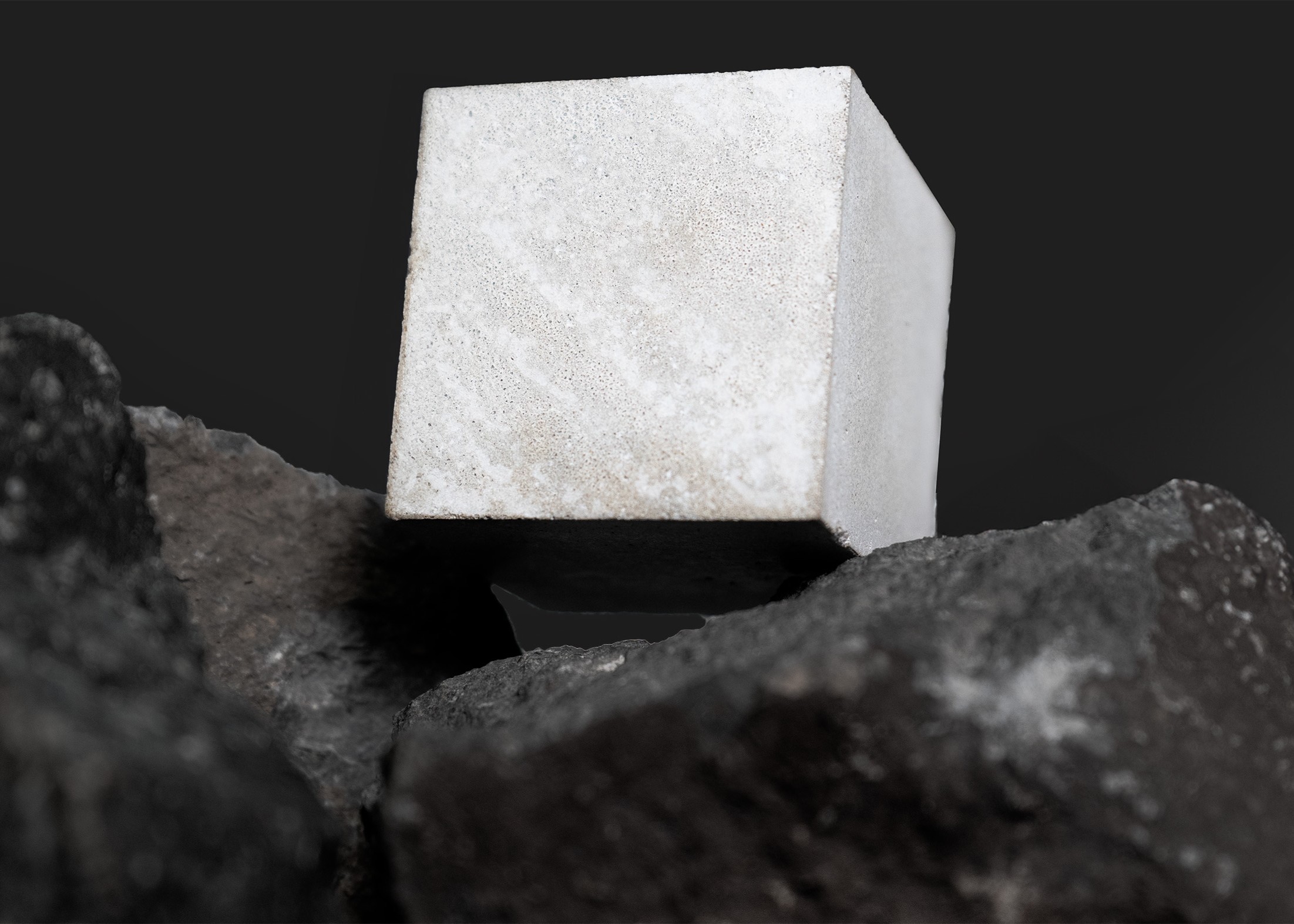
Climate: Basalt could be the key to greener cement *IMAGES*
Producing the most widely used type of cement from calcium-rich silicate rocks such as basalt, instead of limestone, could reduce carbon dioxide emissions from the cement production industry by more than 80%, according to research published in Communications Sustainability. The switch in raw materials could be made with existing technologies, and producing Portland cement from these rocks could theoretically require less than 60% of the energy currently needed when using limestone.
Portland cement is used in almost all modern construction. Current production methods require heating limestone to over 1,500 °C to produce the key ingredient quicklime (calcium oxide). However, this produces large quantities of carbon dioxide as a chemical by-product — approximately 500 kg per tonne of cement produced, excluding energy-related emissions. Overall, the cement production industry accounts for around 4.4% of global emissions, making reductions in this sector a key goal in meeting net-zero targets.
Jeff Prancevic, Cody Finke, and colleagues investigated whether calcium-rich silicate rocks, such as basalt or gabbro, could be a practical replacement for limestone in Portland cement production. They first assessed the availability of these rock types at the surface for mining using existing geological maps, and found that there are sufficient quantities to supply cement production for several hundred thousand years at current production levels. The authors then estimated the energy requirements and carbon dioxide emissions of cement production using silicate rocks. They found that the theoretical minimum energy requirement is more than 40% lower than that for limestone. Using natural gas as a power source, the minimum carbon dioxide emissions per tonne of cement produced decreased from 609 kg using limestone to 43–59 kg, depending on the specific type of silicate rock used.
Finally, the authors investigated how silicate rocks could be used to produce Portland cement with existing technology. They identified a viable process and found that, even when using current fossil fuel dominated energy mixes, it would reduce carbon dioxide emissions by more than 25% compared to the current standard process using limestone.
Prancevic, Finke, and co-authors note that silicate rocks typically contain a variety of economically valuable metals that could be recovered as by-products during industrial cement production. They also say that, compared to existing green cement alternatives, their proposed solution should bypass the significant development, validation, and demonstration time required before the construction industry will adopt a new material, as the final product in their study is standard Portland cement. They add that future research should focus on improving the efficiency of the process and refining the valuable by‑products.
Multimedia

Attachments
Note: Not all attachments are visible to the general public. Research URLs will go live after the embargo ends.


