NZ's plant history captured in DNA clues from the bottom of a lake

Publicly released:
New Zealand
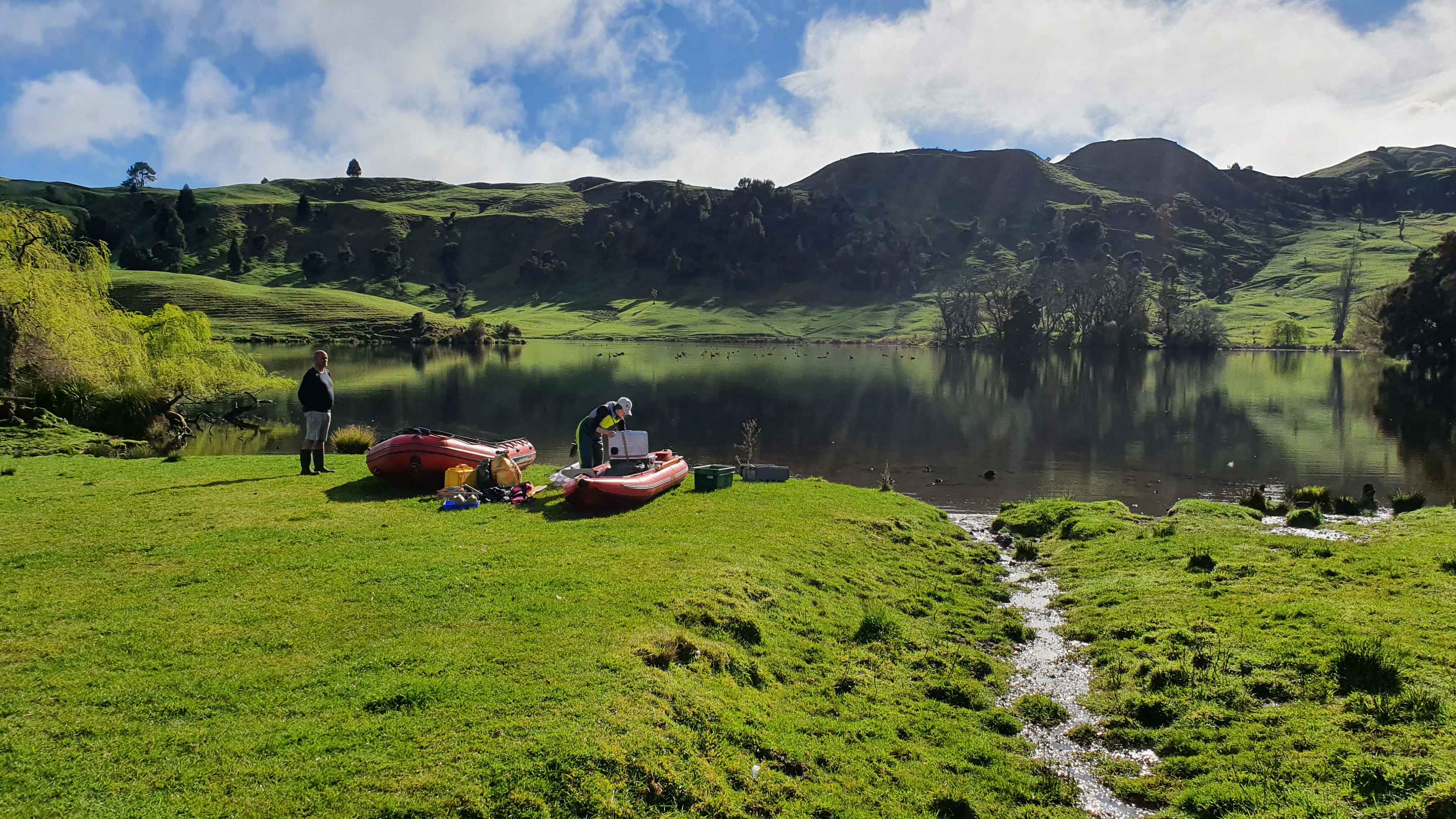
Fieldwork at Lake Waihau. Credit: Susie Wood, Lincoln University

Ancient plant DNA and pollen from the base of a North Island lake have revealed how NZ's vegetation changed over time. Scientists took mud from a lake near Gisborne and looked for traces left by plants a long time ago. While pollen is good at showing which wind-pollinated trees and ferns were around, the DNA added information on local plants washing into the lake. The combined changes in DNA and pollen from older to younger mud layers reveal how vegetation changes after Māori settlement led to a diverse landscape that wasn't just dominated by ferns - as pollen alone might have suggested - but had wetlands and various other habitats too, the study authors say.

News release

From:

Dr Marcus Vandergoes, an author of this study and programme co-lead of Our Lakes, Our Futures, comments:

"This study highlights how new and traditional research approaches can be used effectively together to deepen our understanding of landscape changes in Aotearoa New Zealand during human settlement and provides a stronger foundation for restoring our forest ecosystems in the future."

Multimedia
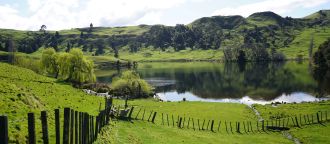
Lake Waihau
Lake Waihau
Lake Waihau
Lake Waihau

Attachments

Note: Not all attachments are visible to the general public. Research URLs will go live after the embargo ends.

Research Elsevier, Web page
Journal/
conference:
Palaeogeography, Palaeoclimatology, Palaeoecology
Research:Paper
Organisation/s: Earth Sciences New Zealand, Cawthron Institute, Victoria University of Wellington, Lincoln University
Funder: This research was funded by the New Zealand Ministry of Business, Innovation and Employment through the programmes Our Lakes' Health: Past, Present, Future (Lakes380; C05X1707) and Our Lakes, Our Future (CAWX2305).
Media Contact/s
Contact details are only visible to registered journalists.