 Sign In



 New Zealand; International
News release
From:
"Parasites make up a significant and often overlooked component of marine biodiversity, yet they remain poorly represented in global conservation and ecological theory. A new study titled Marine Parasite Biogeography Mirrors Host Patterns Across Latitude, Area, and Diversity provides the strongest evidence to date that marine parasites follow the same fundamental biodiversity patterns as free-living animals and that ignoring them means we are missing a substantial part in understanding how our oceans function.
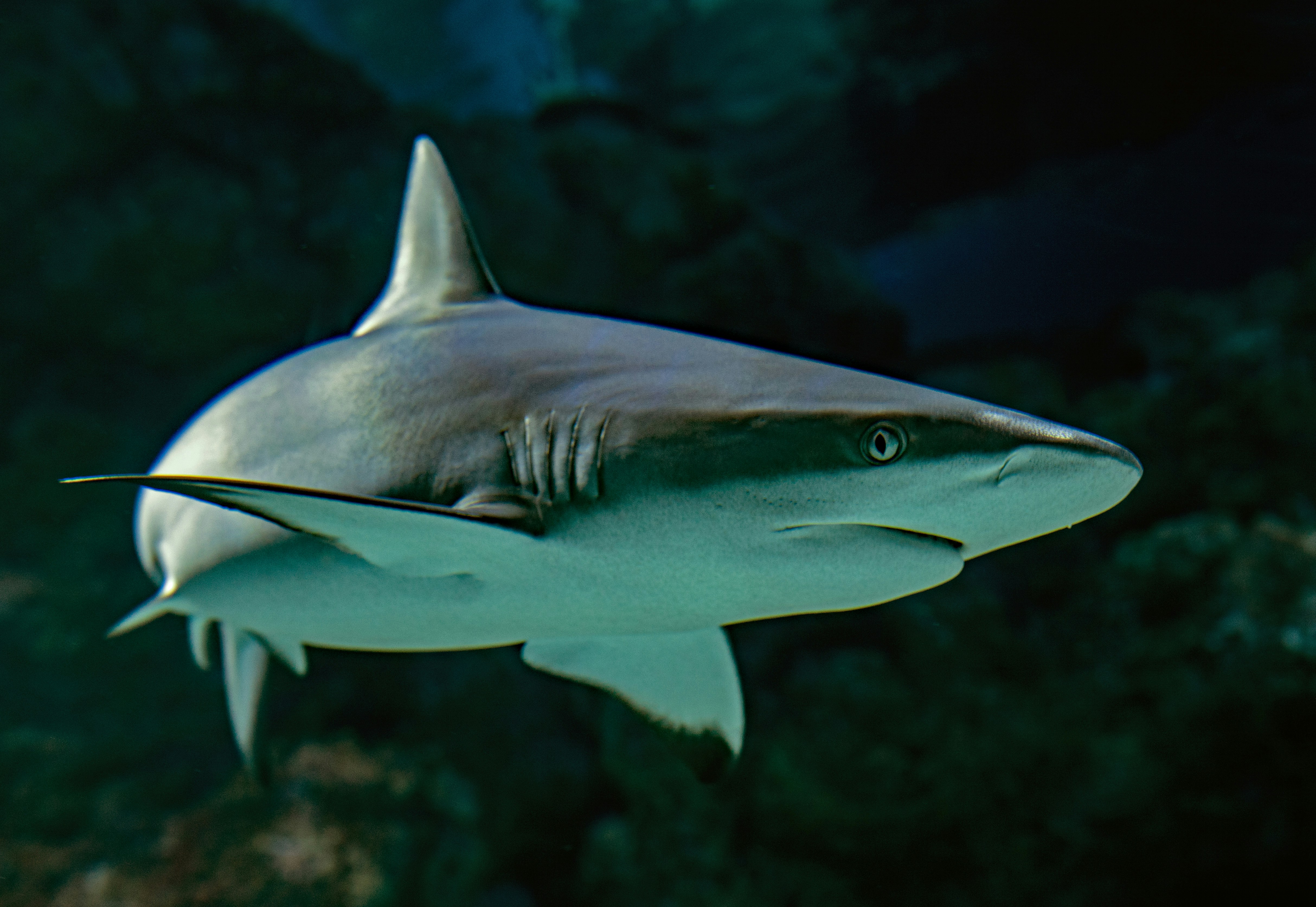
"Using the largest spatially explicit dataset of marine parasites compiled to date, the study examined over 7,000 interactions between parasites and their cartilaginous fish hosts; namely sharks, rays and related fish.
"The study found that (1) larger hosts supported more parasite species, as did hosts with wider geographic ranges. (2) Regions with greater shark and ray diversity also harboured greater parasite diversity. (3) Marine parasite richness followed a bimodal latitudinal gradient, with comparable diversity peaks in both hemispheres at around 35–38 degrees latitude.
"This is a pattern now well established for fish, invertebrates and other marine life, but has never previously been demonstrated for their parasites at global scale.
"These findings matter beyond academic interest. As climate change drives species toward the poles, the transmission networks that parasites depend on, including the fish they use as intermediate hosts, will shift too.
"Without understanding the biogeographic rules that govern parasite distributions, we cannot predict how marine disease dynamics will change, which species are most at risk, or where conservation efforts are most needed to maintain ocean ecosystems. This study provides the foundation for that understanding."

