Sign In



 Australia; International; SA
News release
From:
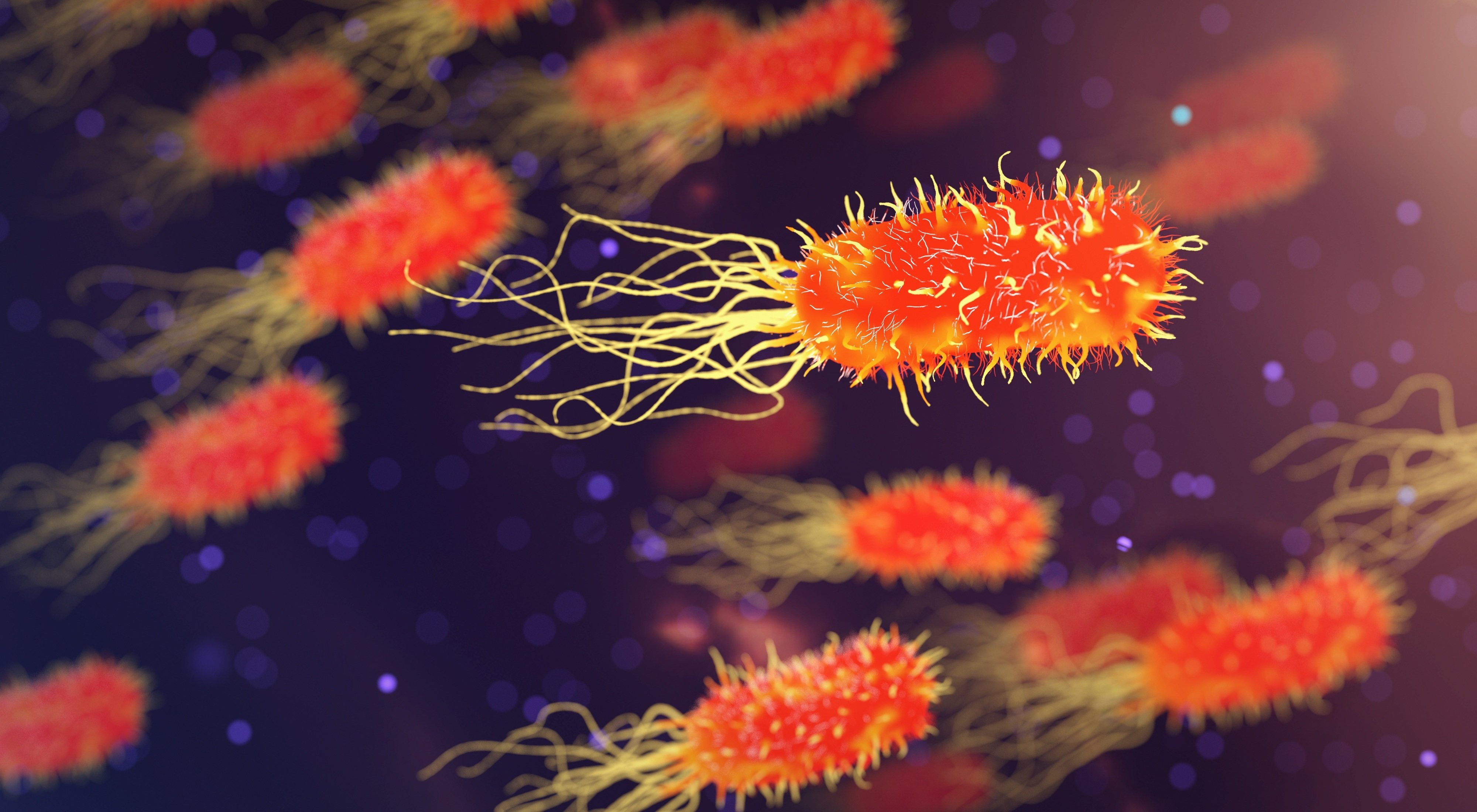
Antimicrobial resistance is becoming a global burden in human health and food production, so affordable new materials are needed to overcome this growing problem.
To answer the call, a multidisciplinary research team led by Flinders University with UK experts has discovered a novel solution for safe and effective use in antimicrobial and antifungal applications.
The World Health Organization has warned antimicrobial resistance, including deadly pathogens Staphylococcus aureus, Klebsiella pneumoniae, non-typhoidal Salmonella and Mycobacterium tuberculosis, is one of the most serious global health threats in this century
“Importantly, the antimicrobial does not harm human or plant cells, so it has potential in medicine and agriculture,” says Professor Justin Chalker, whose research group recently invented an innovative photochemical reaction used in the latest study just published in Chemical Science.
“The new antimicrobial is a sulfur-rich polymer material which overcome previous limitations in sulfur-based preparations and shows impressive potency against a variety of fungal and bacterial pathogens.”
Elemental sulfur and other sulfur-based molecules have long been used as antimicrobials but are often malodorous (strong smelling) and difficult to formulate due to limited solubility.
Lead author Dr Jasmine Pople says sulfur-based chemistry is a promising approach to developing next-generation antimicrobial agents.
“Antimicrobial resistance, particularly in fungal pathogens, is an increasing clinical and agricultural threat,” she says.
“It has the potential in future to be part of effective, low-cost medicines and broad-scale agrichemical solutions.” says Dr Pople, who first discovered the antimicrobial activity while on an Australian Research Council exchange at collaborator Dr Tom Hasell’s Lab at the University of Liverpool in 2024.
Work on the material has since been expanded across multiple pathogenic strains, with input from other Flinders University experts – including virologist Professor Jillian Carr – and additional funding from a Flinders Foundation Health Seed Grant.
Coauthor microbiologist Associate Professor Bart Eijkelkamp says the integration of advanced chemical synthesis with comprehensive biological evaluation across key pathogens has strengthened the results.
Professor Chalker says the antimicrobial polymer development at Flinders University joins a wide range of sustainable efforts to convert surplus elemental sulfur into value-added materials.
These materials include sulfur-rich polymers to remove gold from electronic waste, new easy-to-recycle plastics and even low-cost lenses for thermal imaging cameras – innovations published in other high-profile journals Nature Sustainability, Nature Chemistry and Nature Communications respectively.
The study, A poly(trisulfide) oligomer with antimicrobial activity has been published in Chemical Science, the flagship journal of the Royal Chemical Society (2026) by Jasmine Pople, Ocean E Clarke, Romy A Dop, Thomas P Nicholls, Harshal D Patel, Witold M Bloch, Zhongfan Jia, Sara J Fraser-Miller, Evangeline C Cowell, Jillian M Carr, Daniel R Neill, Joanne L Fothergill, Bart A Eijkelkamp, Tom Hasell and Justin M Chalker has been published in Chemical Science (Royal Society of Chemistry) DOI: 10.1039/D5SC09816E.
Multimedia