 Sign In



 International
News release
From:
A diet of non-processed meat, human leftovers, and raw bones during puppyhood and adolescence may protect dogs against certain gastrointestinal disorders later in life, suggests research published in Scientific Reports. In contrast, a highly processed carbohydrate-based kibble diet and regular rawhide chews were associated with increased risk of gastrointestinal problems. These findings could have implications for gut health in pet dogs.
Kristiina Vuori and colleagues used data from the DogRisk food frequency questionnaire, established in 2009 at the University of Helsinki, to explore associations between dogs’ diets in early life and owner-reported incidence of chronic enteropathy (CE) – an on-going gastrointestinal disorder characterised by diarrhea, vomiting, and weight-loss – later in life. Owners reported what types of foods they had fed their dog and how often, during puppyhood (two to six months old) and adolescence (six to eighteen months old). The diets were then associated with whether the dogs developed chronic CE later in life or not. The sample consisted of 4,681 diets of puppies and 3,926 diets of adolescent dogs, of which owners later reported CE symptoms in 1,016 (21.7%) from the puppy and 699 (17.8%) from the adolescent diet group individuals.
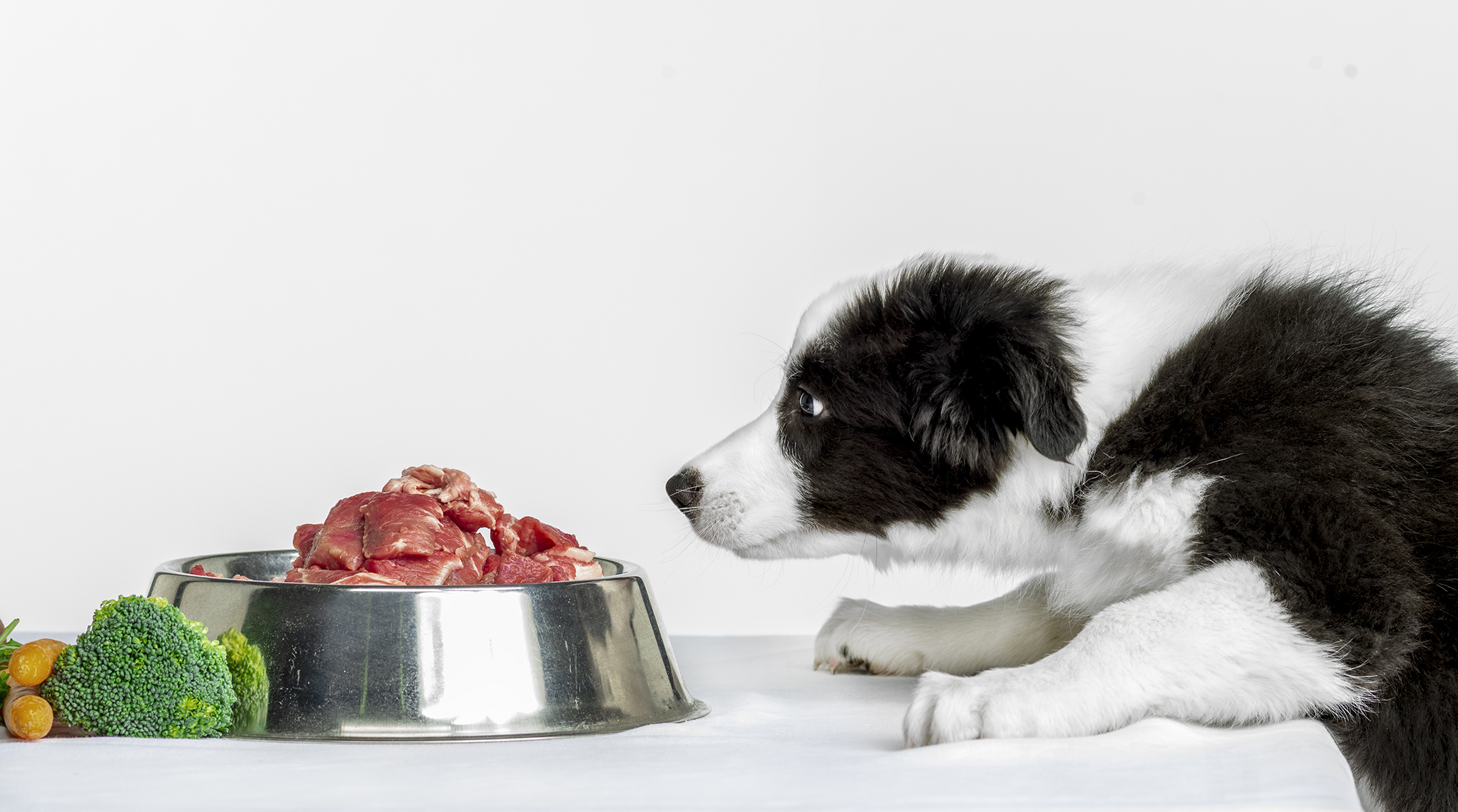
The authors found that, compared to a highly processed kibble diet, dogs fed a non-processed meat-based diet – including raw red meat, organs, fish, eggs, and bones, but also vegetables and berries – or human leftovers and table scraps including items such as cooked potatoes, and cooked fish in puppyhood or adolescence were significantly less likely to experience CE symptoms later in life. Non-processed diets and leftover foods in puppyhood reduced associated CE risk by 22.3% and 22.7% respectively, whereas associated CE risk was 28.7% greater with a highly processed diet. In adolescence, non-processed diets and leftovers saw reduced risks of 12.7% and 24% respectively, compared to 14.6% greater risk of CE with a highly processed diet.
For specific foods, the authors report that feeding puppies raw bones or cartilage a couple of times a week was associated with a 33.2%reduced risk of CE, while feeding berries a couple of times a year saw a reduced risk of 28.7%. However, giving puppies processed and chemically treated rawhides daily was associated with a 117.2% increased risk of CE.
These findings suggest that providing puppies with a variety of non-processed and whole foods early in life may reduce the risk of future incidences of CE, according to the authors. However, further studies – including those assessing diet over the lifetime of dogs – are needed to confirm the results.

