 Sign In



Attachments
Note: Not all attachments are visible to the general public. Research URLs will go live after the embargo ends.

 International
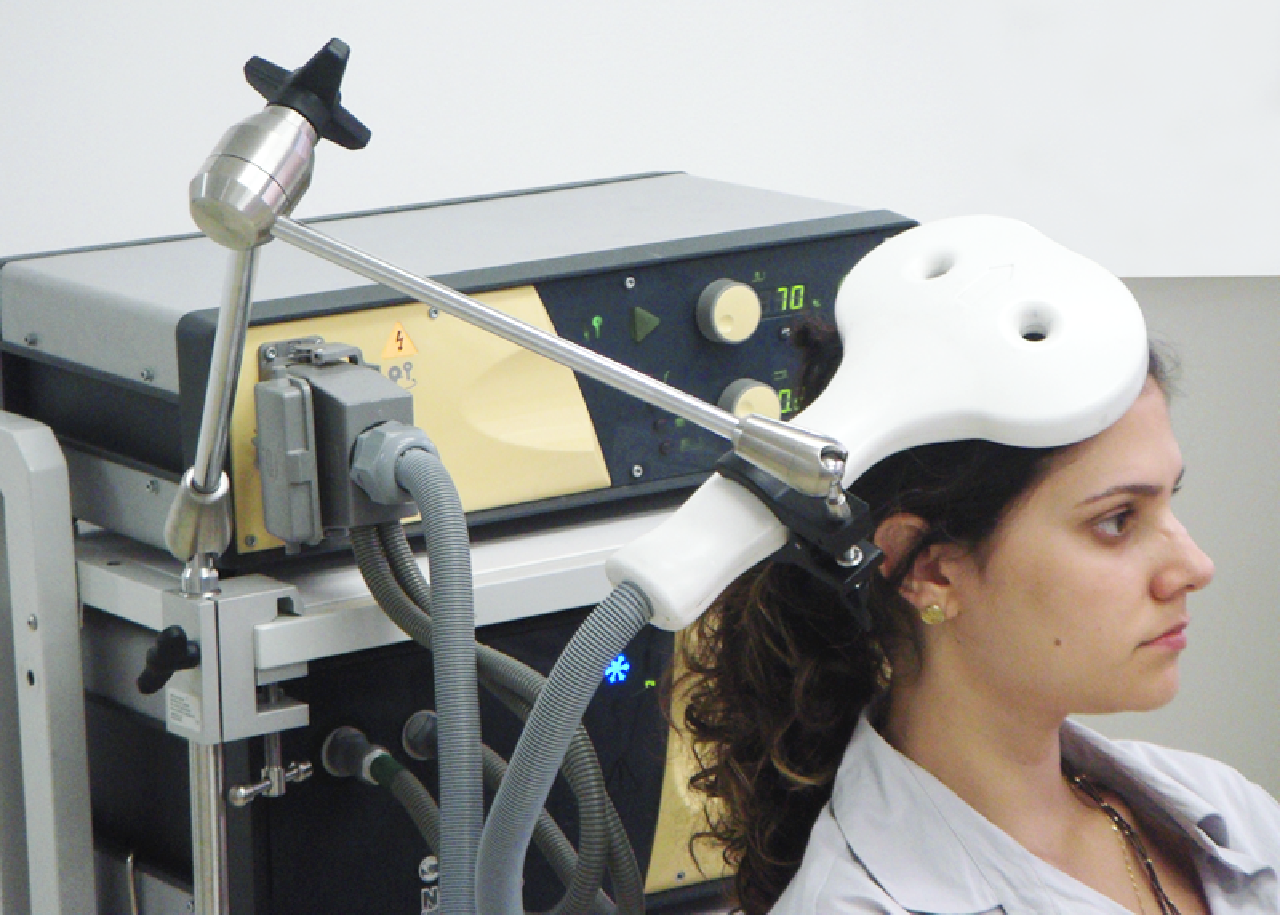
Norwegian and German researchers say the use of intermittent theta-burst stimulation (iTBS) - short bursts of magnetic pulses that mimic the brain's natural theta waves - over an area of the brain responsible for high-level executive functions, including working memory, cognitive flexibility, planning, and selective attention, could help reduce the symptoms of major depressive disorder. The team put 73 adults with major depressive disorder into a randomised trial where half were given iTBS and the other a sham program, which went on for 10 once-daily sessions. The researchers say the iTBS group had significantly greater reductions in clinician-rated depressive symptoms after five and 10 sessions. The researchers note that while these zaps were better in the short term, the difference between the groups levelled out after four weeks, with the sham group showing continued improvement.
Note: Not all attachments are visible to the general public. Research URLs will go live after the embargo ends.

