 Sign In



 Australia; VIC
News release
From:
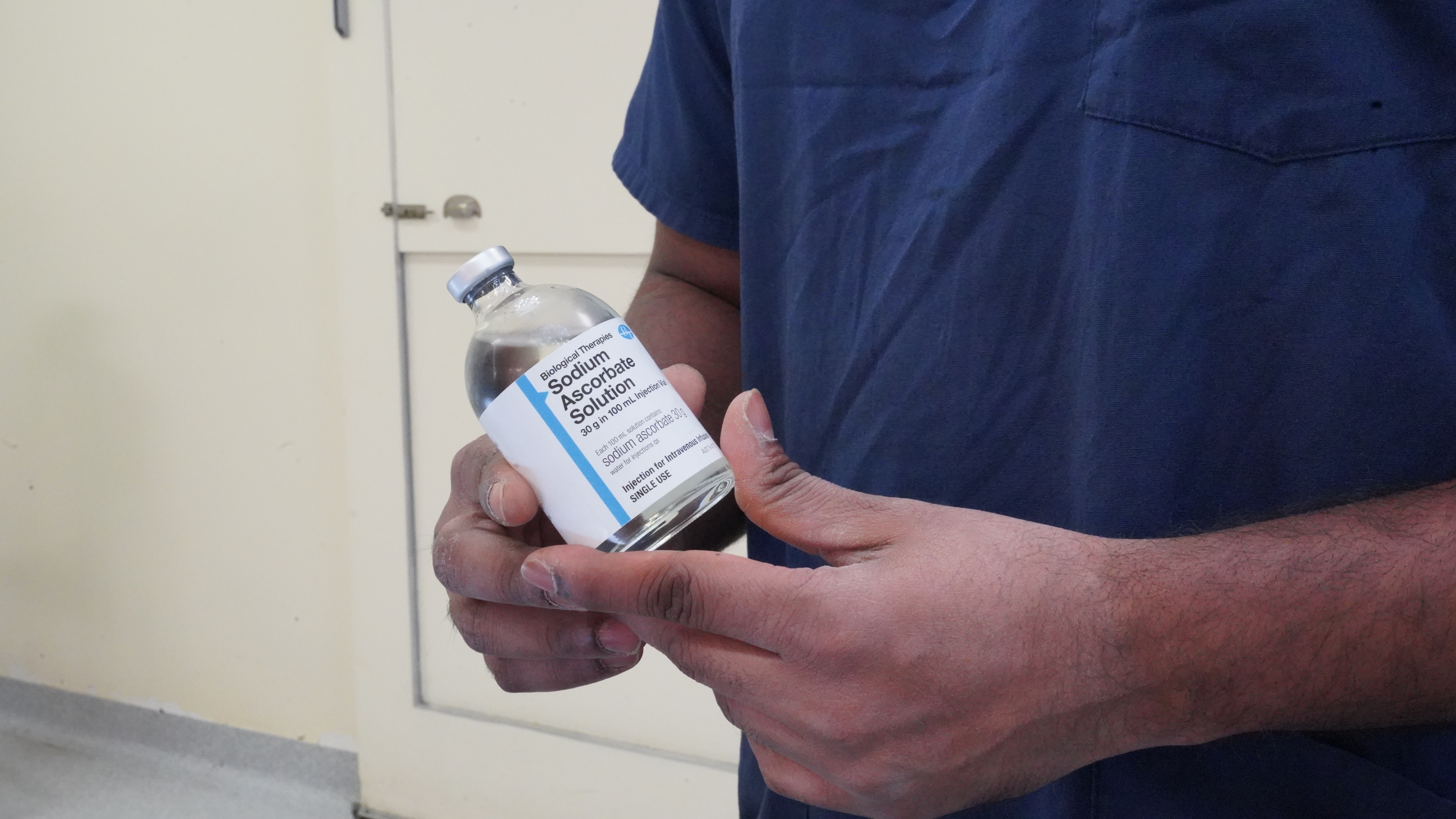
Sodium ascorbate: A formulation developed by The Florey
Florey researchers have shown that an extremely large ‘megadose’ of sodium ascorbate can turn around sepsis-induced low oxygen levels, low blood flow and high temperature within the brain’s frontal cortex.
Sepsis is a deadly condition caused by the body’s excessive inflammatory response to infection that frequently causes damage to vital organs and can lead to death. There are currently no treatments.
The researchers have shown that sepsis causes large falls in the blood flow and level of oxygen in the brain, and raises brain temperature. These changes may contribute to coma and delirium during sepsis and cognitive impairment in sepsis survivors.
A study led by Professor Clive May and Professor Yugeesh Lankadeva, published in the British Journal of Anaesthesia, shows that a formulation of sodium ascorbate developed by The Florey reverses these insults to the brain that can lead to brain injuries.
Professor May has been studying sepsis for over two decades.
“I have never seen such a dramatic response to treatment as occurred after we intravenously administered a megadose of sodium ascorbate to our clinically-relevant large animal model of sepsis,” he said.
“Before administering the sodium ascorbate, the test subjects were lethargic, unresponsive, lying down and not eating or drinking. Within one hour of receiving the intravenous formulation, they were more alert, and after four hours they had completely recovered their normal behavioural state. They stood up, responded to external stimuli and started eating and drinking. All of these changes suggest a beneficial effect of the treatment on the brain.”
Professor Lankadeva said the exciting results were important given the lack of current treatments for brain injury in sepsis. He said measurements in the test subjects’ brains showed that the megadose of sodium ascorbate restored microcirculatory blood flow, oxygen levels and temperature in the frontal cortex.
“Septic patients commonly suffer a range of brain-related complications from delirium to coma, and this can lead to ongoing cognitive impairment and disability in survivors,” Professor Lankadeva said.
“Our work indicates sodium ascorbate may reverse these detrimental symptoms before any persisting damage is done to the brain.”
The team has already completed a Phase Ia clinical trial of the treatment, and is moving to a larger nationwide trial of its efficacy in septic patients in intensive care units across Australia, with participants selected by treating clinicians. The treatment is not available to patients outside the trial.
“We’ve previously shown that sodium ascorbate has beneficial effects on the kidneys and cardiovascular system in septic patients. This latest study shows it is also beneficial to the brain,” Professor Lankadeva said.
This work was co-funded by the National Health and Medical Research Council of Australia, the National Heart Foundation of Australia, and the Australian Government’s Medical Research Future Fund.
Attachments
Note: Not all attachments are visible to the general public. Research URLs will go live after the embargo ends.


