 Sign In



 International
News release
From:
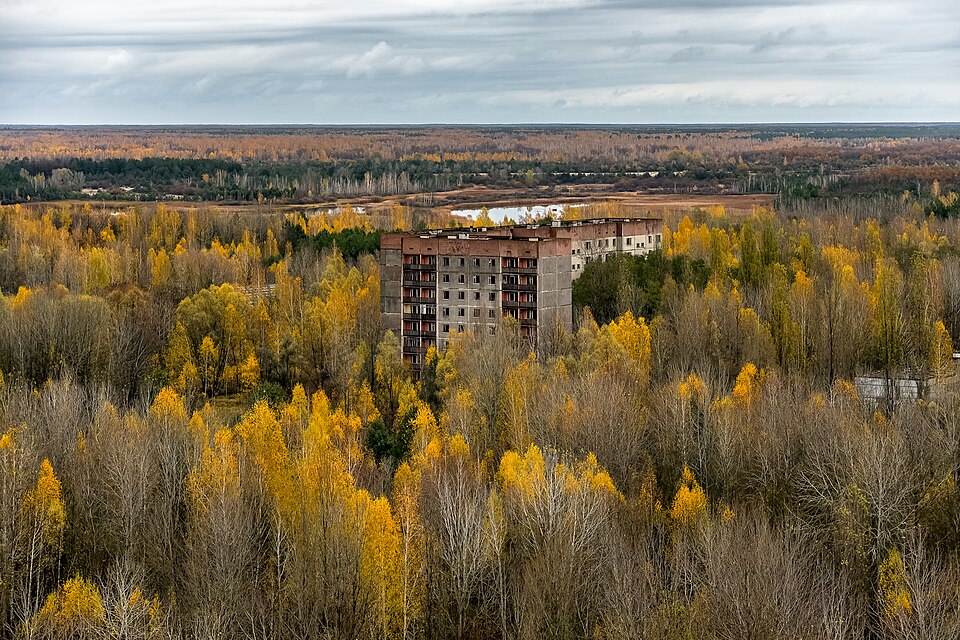
Exclusion inclusion - Some large mammals are thriving in the Chornobyl Exclusion Zone (CEZ) in Ukraine. Camera traps across large nature reserves such as the CEZ, smaller protected and non-protected areas in northern Ukraine revealed higher diversity, occupancy, and detection of 11 mammal species in the large nature reserves including Przewalski´s horse, Eurasian lynx and moose. This finding suggests large contiguous protected areas with enforced human access restrictions are most effective. Proceedings of the Royal Society B
The Chornobyl Exclusion Zone as a wildlife refuge: restricted human access shaped mammal recolonization
Proceedings of the Royal Society B: Biological Sciences
Land-use changes and human disturbance pose major threats to biodiversity, especially for large mammals with low reproductive rates and extensive habitat needs. Researchers used camera traps in northern Ukraine (2020-2021) to study 11 terrestrial mammal species across the Chornobyl Exclusion Zone (CEZ), regional protected areas (PAs), and non-PAs. Hierarchical Bayesian occupancy models revealed higher diversity, occupancy, and detection in the CEZ and Drevlianskyi Nature Reserve, with notable success for Przewalski´s horse, Eurasian lynx, moose, and red deer. PA coverage benefited several species, though effects varied. Results highlight that large contiguous PAs with enforced human access restrictions are most effective.
Attachments
Note: Not all attachments are visible to the general public. Research URLs will go live after the embargo ends.


