 Sign In



 Australia; International; QLD
News release
From:
Mosquito nets with PFAS may be more effective than environmentally friendly alternatives
Science Advances
Removing per- and polyfluoroalkyl substances (PFAS) from insecticide-treated nets (ITNs) could weaken malaria control, according to new research. The study found that PFAS-containing nets increased the bioavailability of insecticides and were more effective than PFAS-free nets, including against insecticide-resistant mosquito strains.
“These findings highlight the trade-offs of PFAS removal and stress the need for a multidisciplinary approach combining advanced chemical analytics and behavioral assessments to optimize ITNs for effective malaria control while considering environmental sustainability,” Hanafy Ismail and colleagues write.
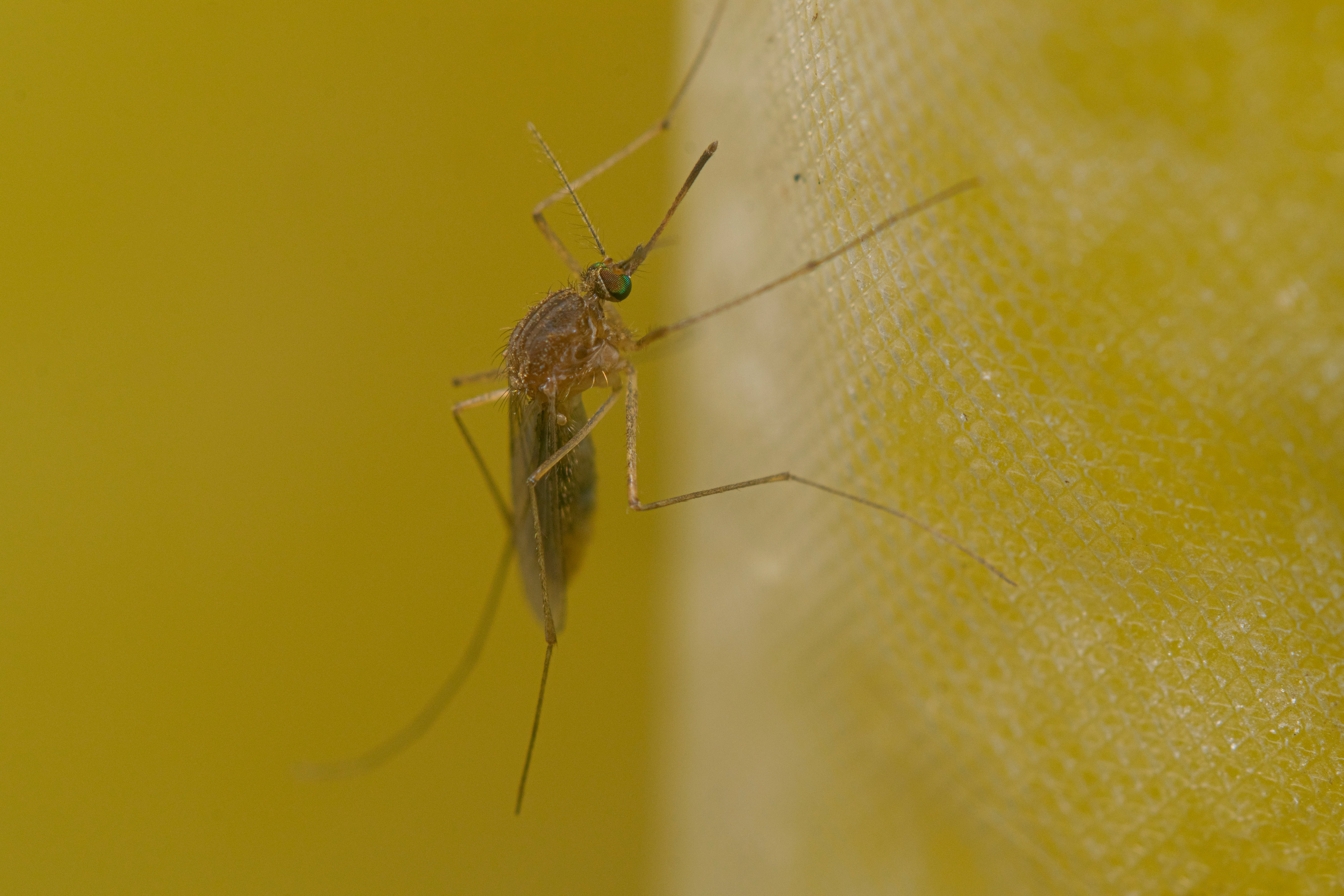
ITNs have helped significantly reduce the malaria burden in places with high transmission rates, such as Africa and Papua New Guinea. However, concerns about environmental and health risks relating to PFAS led to formulation changes in ITNs, which coincided with a sharp resurgence in malaria cases. Furthermore, mosquitoes can evolve resistance to active ingredients in ITNs, highlighting the need for new and optimized designs. Here, Ismail et al. combined chemical analyses, microscopy, and behavioral assays to examine how mosquito strains from East and West Africa interacted with ITNs, either with or without PFAS.
The researchers determined that PFAS appeared to disperse the insecticide more uniformly, enhancing its bioavailability and lethality. By contrast, PFAS-free formulations promoted particulate aggregation and contained higher amounts of less bioactive forms of insecticide. In addition, PFAS-containing nets induced more irritation in both susceptible and resistant Anopheles mosquito strains, while PFAS-free ITNs were associated with lower mosquito contact time and insecticide uptake.
The authors propose that their framework could strengthen regulatory evaluation of ITNs and improve strategies for sustained malaria control.
Attachments
Note: Not all attachments are visible to the general public. Research URLs will go live after the embargo ends.


