 Sign In



 International
News release
From:
Supermarket receipts show trends in menstrual pain relief
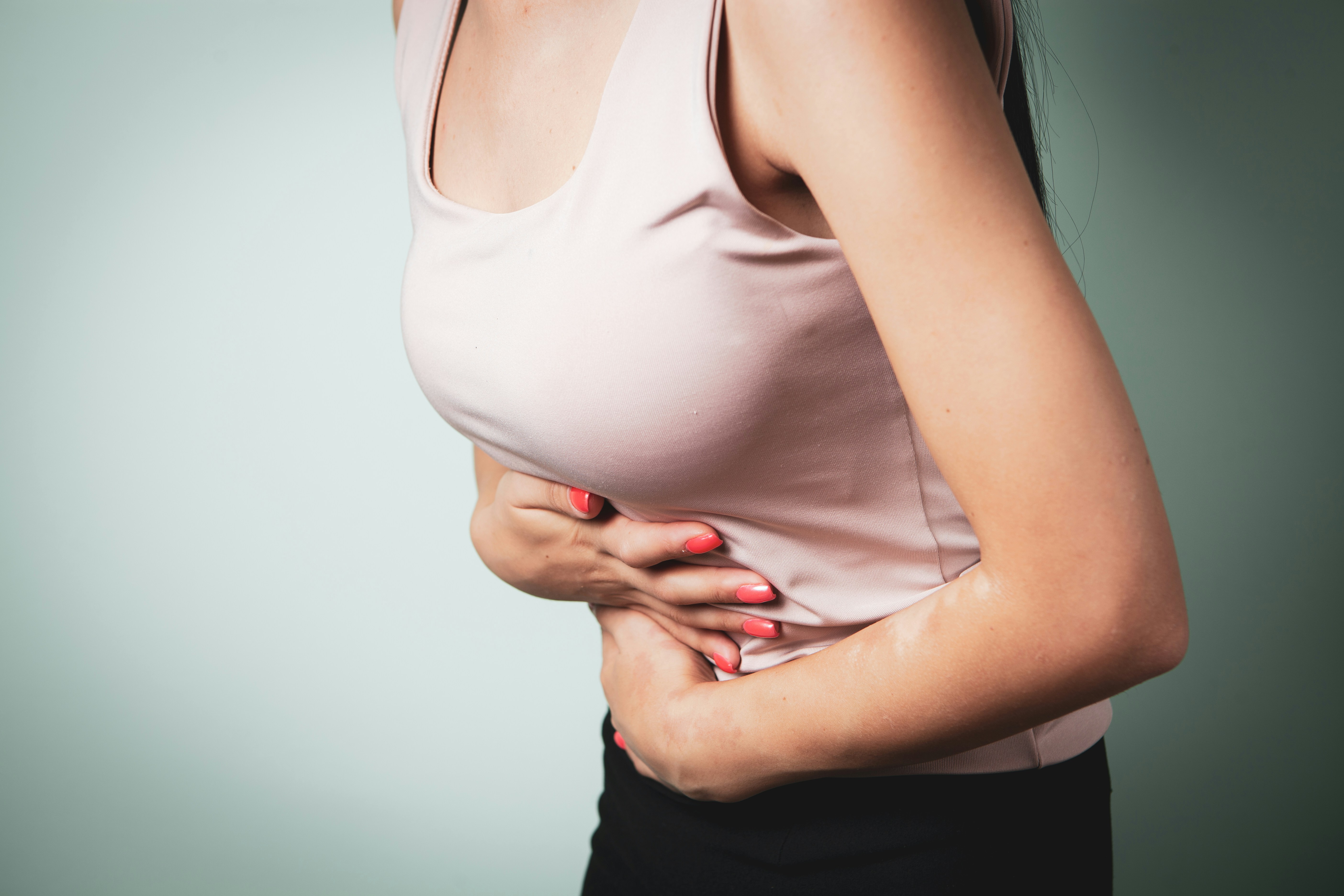
An analysis of 211 million supermarket transactions found that more than a quarter of customers buying menstrual products bought pain relief at the same time.
More than a quarter of women buying menstrual products also purchase pain relief at the same time—and those in lower-income areas are significantly less likely to do so—according to a new study published this week in the open-access journal PLOS Digital Health by Dr. Victoria Sivill of the University of Bristol, UK, and colleagues, which used supermarket loyalty card data to map menstrual pain disparities across England.
Menstrual pain is a common concern affecting many individuals globally. Existing research highlights its negative impact on daily activities, including school and work attendance.
In the new study, researchers analyzed anonymized loyalty card data from a major UK health and beauty retailer, encompassing 211 million transactions by 3.4 million individuals between 2006 and 2015. They analyzed how often shoppers purchased menstrual products at the same time as pain relief, and how that compared to a customer’s baseline rate of buying pain relief.
The analysis found that 26.7% of customers who purchased menstrual products also bought pain relief in the same transaction. These customers were nearly four times more likely to buy pain relief while buying menstrual products compared to other shopping trips. As a validation of the approach, the most common interval between consecutive menstrual purchases across the dataset was exactly 28 days—consistent with the average menstrual cycle.
Regional income emerged as the strongest predictor of menstrual pain purchases: customers in the lowest-income areas were 32% less likely to purchase pain relief at the same time as menstrual products compared to those in the highest-income areas. The authors note that lower rates of pain relief purchases in deprived areas likely reflect an inability to afford over-the-counter medication rather than lower rates of menstrual pain itself
“The study highlights the need for greater awareness and policy interventions to address the high prevalence of menstrual pain as well as socioeconomic dimensions of menstrual pain,” the authors say. “Public health initiatives should incorporate menstrual pain relief as part of broader efforts to improve health equity.”
Co-author Dr. James Goulding notes: "It is wonderful that smart data research in the UK is able to bring issues which may have once been overlooked in scientific settings—such as the sheer scale and impact of menstrual pain—to light. This is well overdue."
Co-author Dr. Anya Skatova adds: “Like many women, I was aware of how common menstrual pain is, but the scale of painkiller purchases alongside menstrual products was still striking. Using shopping data, we can see just how widespread the need for pain relief really is. This kind of evidence helps make menstrual pain visible at a population level and provides a strong foundation for systemic change in how it is recognised, treated, and prioritised in public health.”
Attachments
Note: Not all attachments are visible to the general public. Research URLs will go live after the embargo ends.


