Monoclonal antibody protects against most common form of malaria in Mali trial

Publicly released:
International
CC-0
CC-0

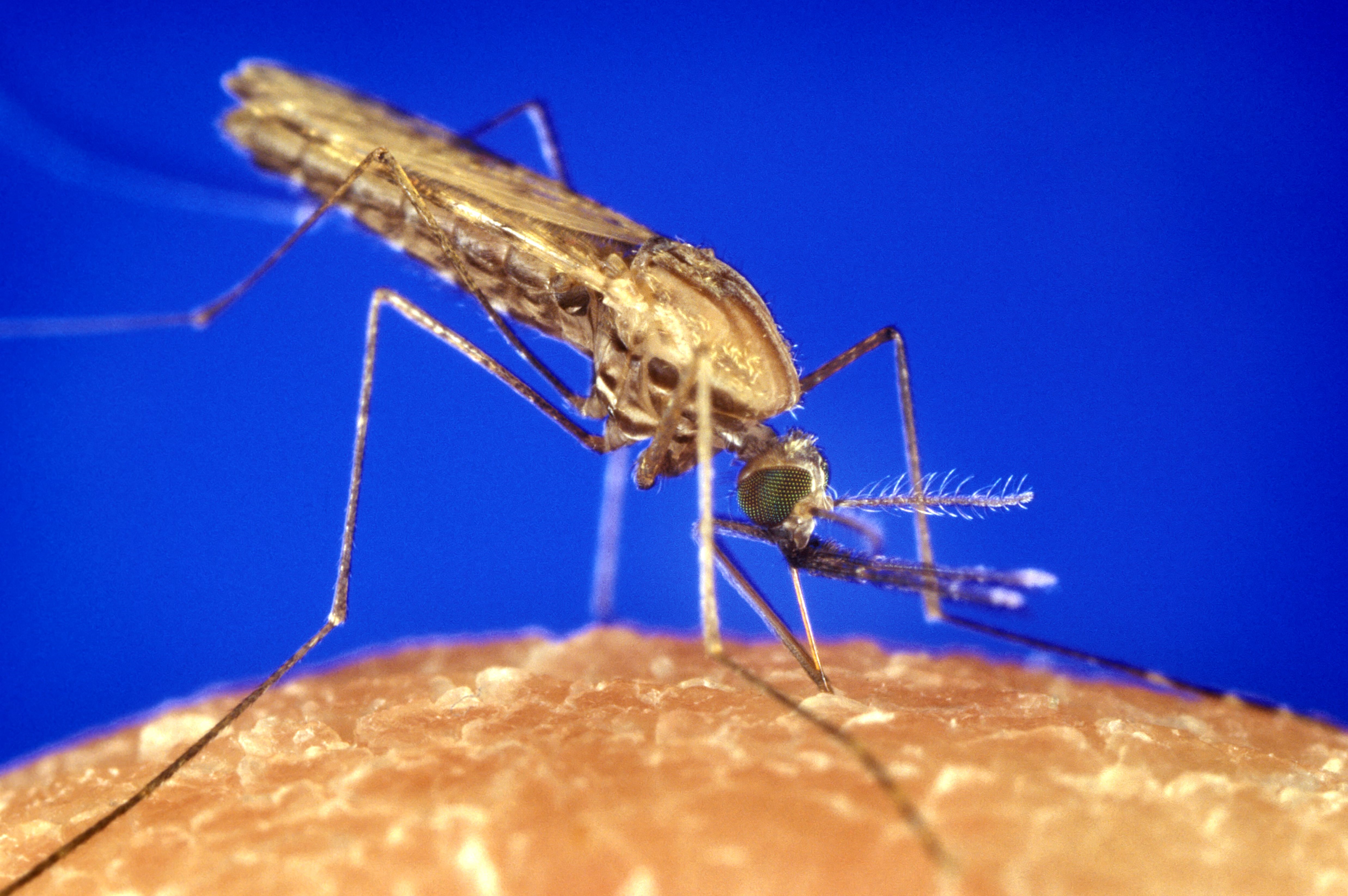
A monoclonal antibody called CIS43LS protects against infection with Plasmodium falciparum malaria, according to a US and Malian trial conducted during the six-month malaria season in Mali, West Africa. The trial included 330 adults, 110 of whom were given 10mg of antibody per kg of body weight, 110 of whom were given 40mg of antibody per kg of body weight, and 110 of whom were given a non-active placebo. The lower dose of the antibody was 75% effective at preventing malaria, while the higher dose was 88.2% effective, the scientists say. The only notable side effect was a moderate headache, which was 3.3 times more common in those given the higher dose of the antibody than in the placebo group. The findings suggest the antibody is effective and safe against the world's most common form of malaria, the researchers conclude.

Attachments

Note: Not all attachments are visible to the general public. Research URLs will go live after the embargo ends.

Research Massachusetts Medical Society, Web page The URL will go live after the embargo ends
Editorial / Opinion Massachusetts Medical Society, Web page The URL will go live after the embargo ends
Journal/
conference:
NEJM
Research:Paper
Organisation/s: University of Sciences, Techniques, and Technologies of Bamako, Mali, National Institutes of Health, USA
Funder: Funded by the National Institute of Allergy and Infectious Diseases; ClinicalTrials.gov number, NCT04329104.
Media Contact/s
Contact details are only visible to registered journalists.