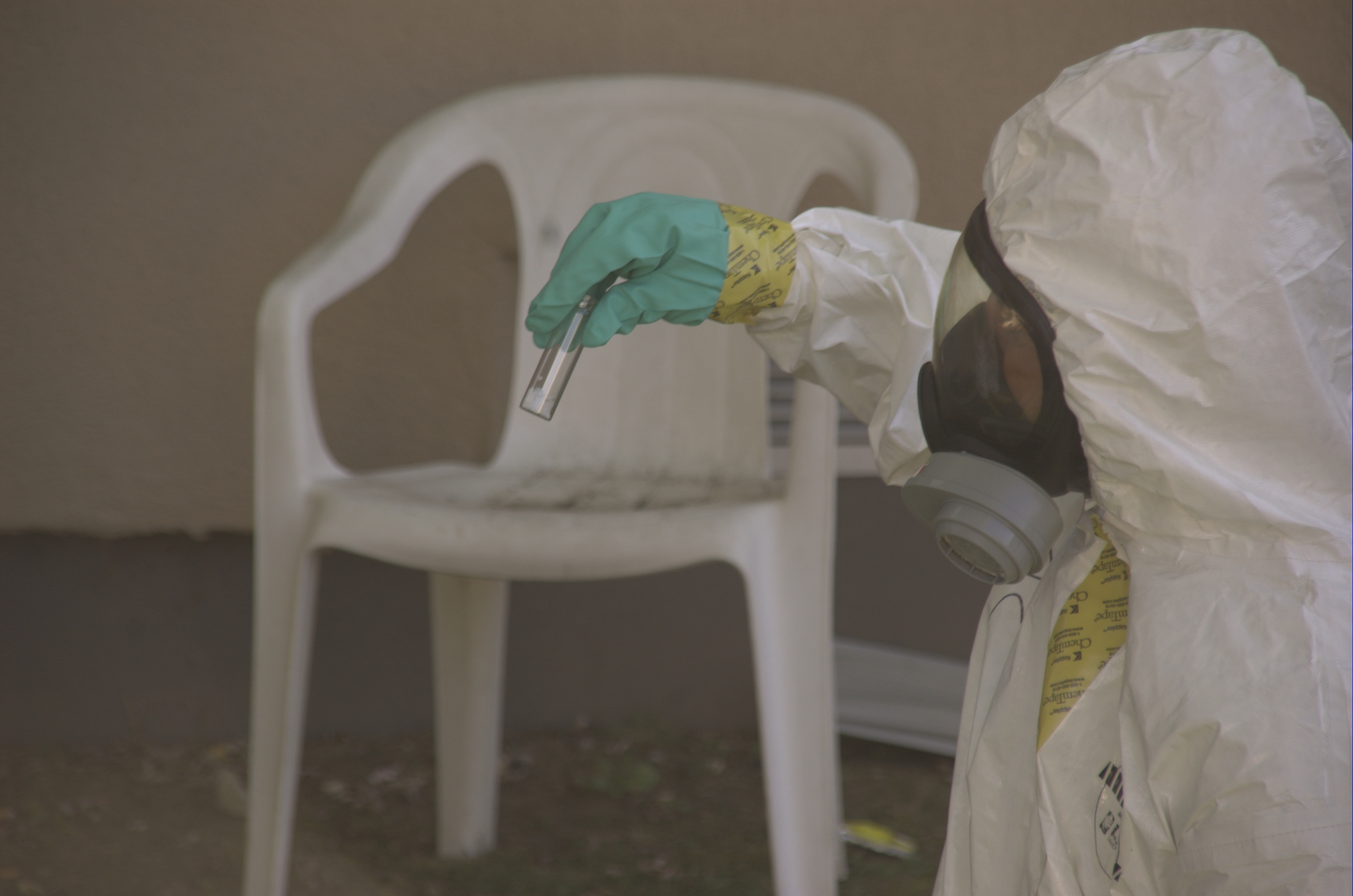
Meth contamination in Kiwi homes increased after testing requirements changed

Publicly released:
New Zealand
Robert Spiegel, CC BY 2.0 <https://creativecommons.org/licenses/by/2.0>, via Wikimedia Commons

In 2018, the level of meth contamination allowed in a NZ house was raised to 15 micrograms per square metre - an increase of 30 times. A study of data from over 420 homes that were tested both before and after this change finds average meth contamination increased by more than half of what it was before. The authors say this may reflect more meth manufacture and higher use of the drug, as well as people getting less careful about health risks of meth exposure after the policy change. Their recommendations include lowering the contamination thresholds again, in line with other countries and recent risk assessments, and subsidising meth testing for homes.

News release

From:

Methamphetamine use not only harms users; passive exposure through residential contamination can also pose serious health risks for occupants, particularly children. Worryingly, findings from the New Zealand Drug Trends Survey (2025) indicate that methamphetamine use continues to rise. In May 2018, the allowable contamination threshold in residential properties was significantly increased from 0.5 to 15μg/100cm2. Given the potential health risks, our research investigates the impact of this policy change and finds that it is associated with higher levels of methamphetamine contamination in households. These findings suggest that the more lenient standard may have unintentionally increased exposure risks, highlighting the need to reconsider and potentially tighten the current threshold to better protect public health.

Journal/
conference:
New Zealand Medical Journal
Organisation/s: Unitec New Zealand, University of Waikato
Funder: We thank Safe & Healthy Home Solutions for sharing laboratory test data.
Media Contact/s
Contact details are only visible to registered journalists.