 Sign In



 International
News release
From:
Girding the loins? Direct evidence of the use of a medieval English parchment birthing girdle from biomolecular analysis
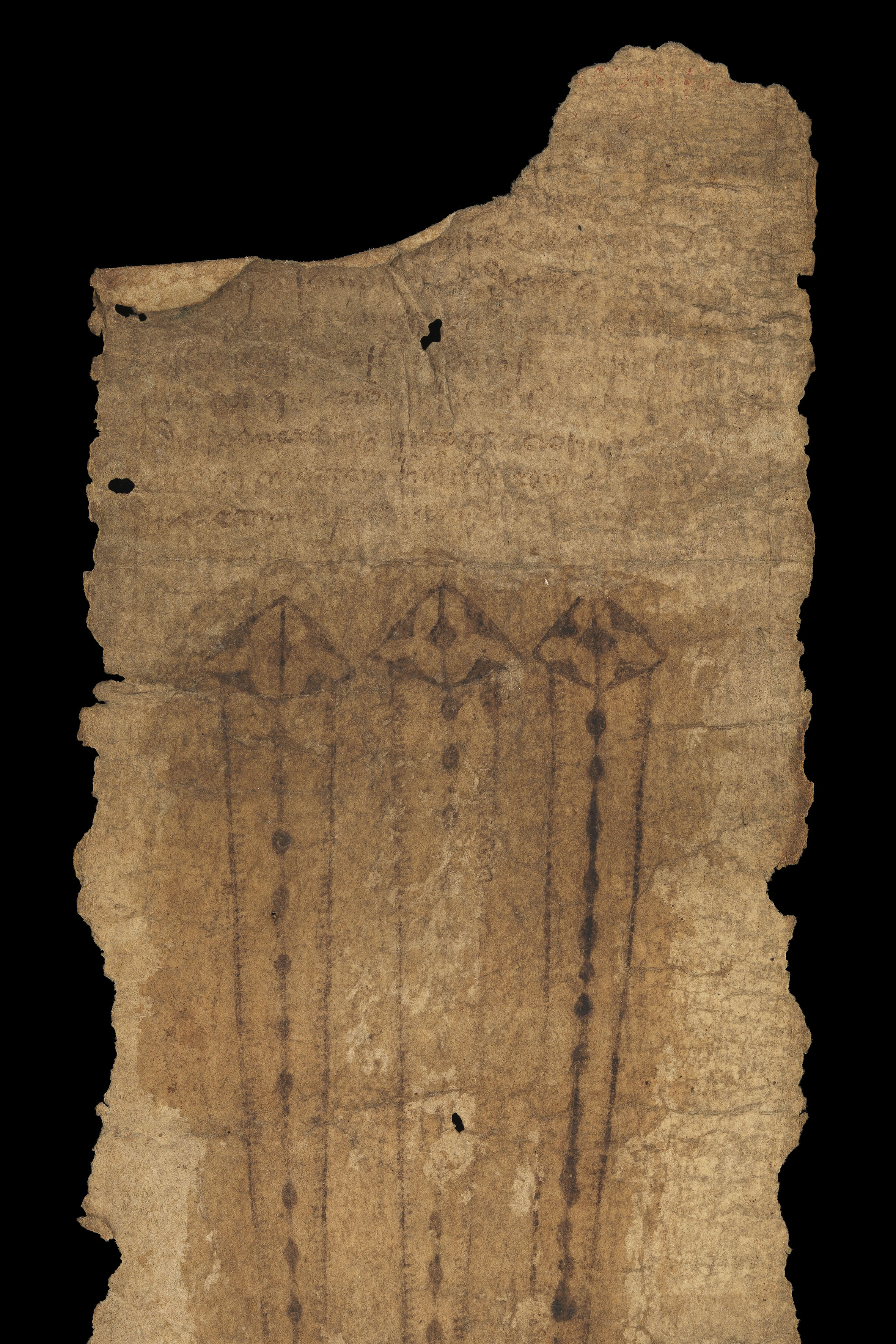
Girding the loins - A 15th-century “birthing girdle” is helping to shed light on medieval obstetrics and childbirth rituals. Protein analysis of the parchment girdle revealed the presence of cervico-vaginal fluid, suggesting its active use during labour. Honey, milk, egg and cereals, also indicate ingredients used in formulaic birthing rituals that blended numerical precision, magic and religion.
Birth girdles were worn by pregnant medieval women as amulets against the risks of childbirth. We have analysed, for the first time, one of these girdles made in England in the late fifteenth century using biomolecular methods. By analysing the proteins on the girdle we have found direct evidence of use with many human proteins matching cervico-vaginal fluid, suggesting that the girdle was actively worn by pregnant women. In addition we find non-human proteins such as honey, milk, egg and cereals, all of which are associated with medieval treatments for childbirth.

