Low vaccination rates could help eliminated diseases return

Publicly released:
International
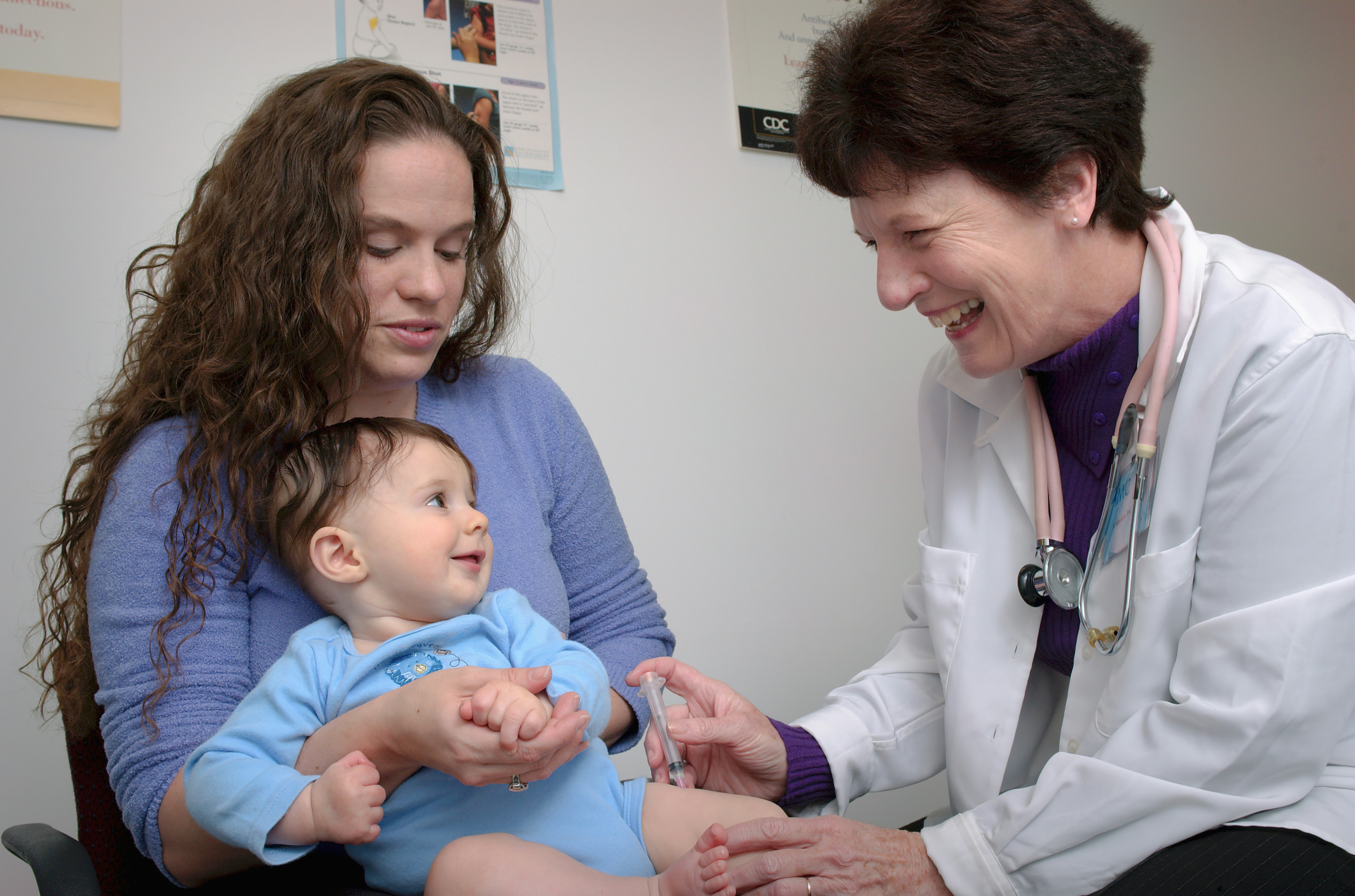
Photo by CDC on Unsplash

Measles could become endemic in the US within 25 years under current vaccination coverage, say US researchers. They used computer simulations to investigate how four infectious diseases, previously eliminated in the US, might behave at different vaccination rates over the next 25 years. Just 5% more measles, mumps and rubella (MMR) vaccinations could cut measles cases from over 850,000 to under 6,000 in that time, whereas a 50% drop in childhood vaccinations could result in the re-establishment of rubella and polio, and almost 160,000 deaths. The researchers warn that high childhood vaccination coverage is needed to prevent the resurgence of these diseases and the complications they cause.

Media release

From: JAMA

Modeling Reemergence of Vaccine-Eliminated Infectious Diseases Under Declining Vaccination in the US

Based on estimates from this modeling study, declining childhood vaccination rates will increase the frequency and size of outbreaks of previously eliminated vaccine-preventable infections, eventually leading to their return to endemic levels. The timing and critical threshold for returning to endemicity will differ substantially by disease, with measles likely to be the first to return to endemic levels and may occur even under current vaccination levels without improved vaccine coverage and public health response. These findings support the need to continue routine childhood vaccination at high coverage to prevent resurgence of vaccine-preventable infectious diseases in the U.S.

Attachments

Note: Not all attachments are visible to the general public. Research URLs will go live after the embargo ends.

Research JAMA, Web page URL will go live after the embargo lifts
Journal/
conference:
JAMA
Research:Paper
Organisation/s: Stanford University, USA
Funder: Some of the computing for this project was performed using Stanford University’s Sherlock cluster. We thank Stanford University and the Stanford Research Computing Center for providing computational resources and support that contributed to these research results.
Media Contact/s
Contact details are only visible to registered journalists.