 Sign In



 Australia; WA
News release
From:
Ladybirds could be the answer to farmers’ prayers, with new research revealing the tiny beetle can be turned into a pest-eating assassin.
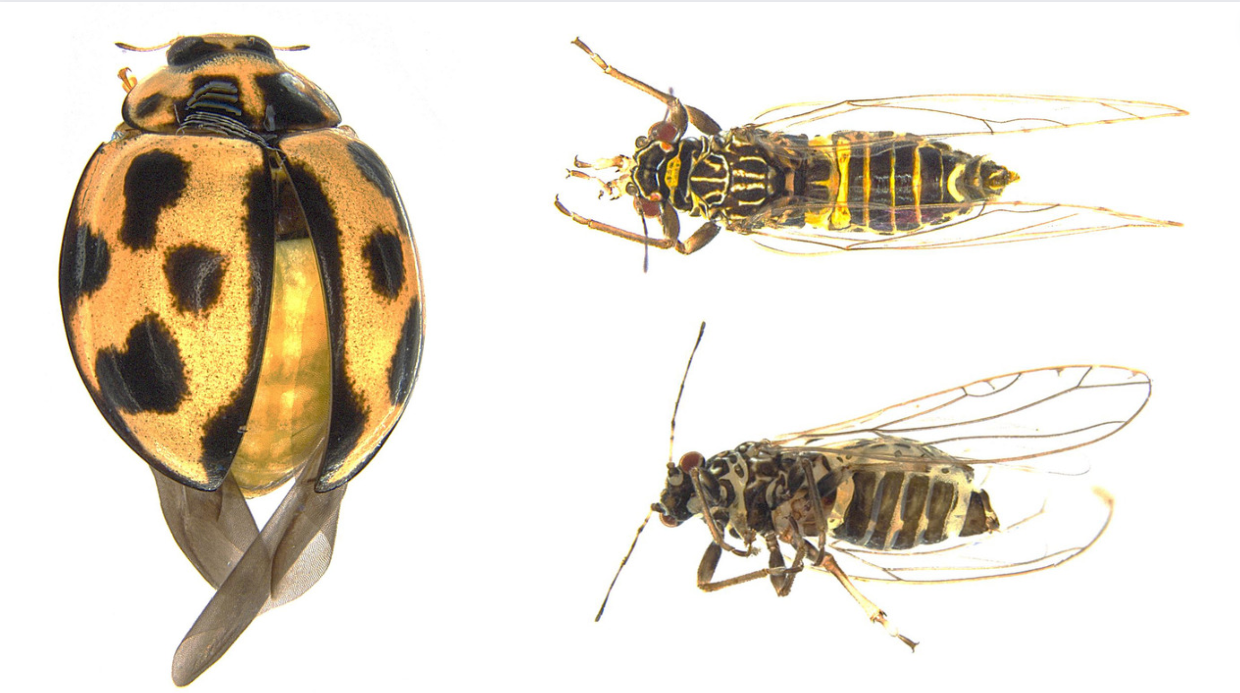
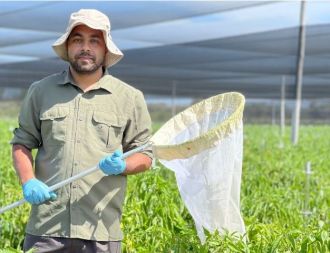
Murdoch University PhD researcher Shovon Chandra Sarkar discovered that when ladybirds were introduced to the invasive tomato potato psyllid early on in their life-cycle, they would grow to recognise them as preferred prey.
The tomato potato psyllid can cause severe economic loss, feeding on tomato, potato, capsicum, chilli, goji berry, tamarillo, eggplant and sweet potato crops.
On its own, the pest can cause crop yield losses of more than 50 per cent – but it can also spread a serious bacterial disease ‘zebra chip’ in potato and tomato plants.
With Australian growers currently relying on insecticides to control the potato tomato psyllid and avoid the loss of more than half of their crops, Mr Sarkar set out to find a different conservation biological control strategy.
Two species of ladybird were used in this study, one non-native (Hippodamia Veriegata) and another native (Coccinella Transversalis).
The research found significantly increased preference in both species for the tomato potato psyllid after having dietary experience in their formative stages.
Once one beetle was trained, its entire colony could learn to seek out the pest as primary prey.
By identifying and evaluating natural enemies for tomato potato psyllid biological control, the aim is to support the long-term goal of safeguarding Australian agri-food industries,” Mr Sarkar said.
“Overall, the focus is on reducing crop losses and promoting sustainable and eco-friendly pest management practices.”
Mr Sarkar said many pest species were developing a resistance to pesticides, and he was driven by the global trend towards biological control using natural enemies.
“By gaining a deeper understanding of the distribution, behaviour and impacts of these insect pest species, we can inform the development of targeted management approaches that minimise reliance on chemical pesticides.”
Multimedia

Attachments
Note: Not all attachments are visible to the general public. Research URLs will go live after the embargo ends.


