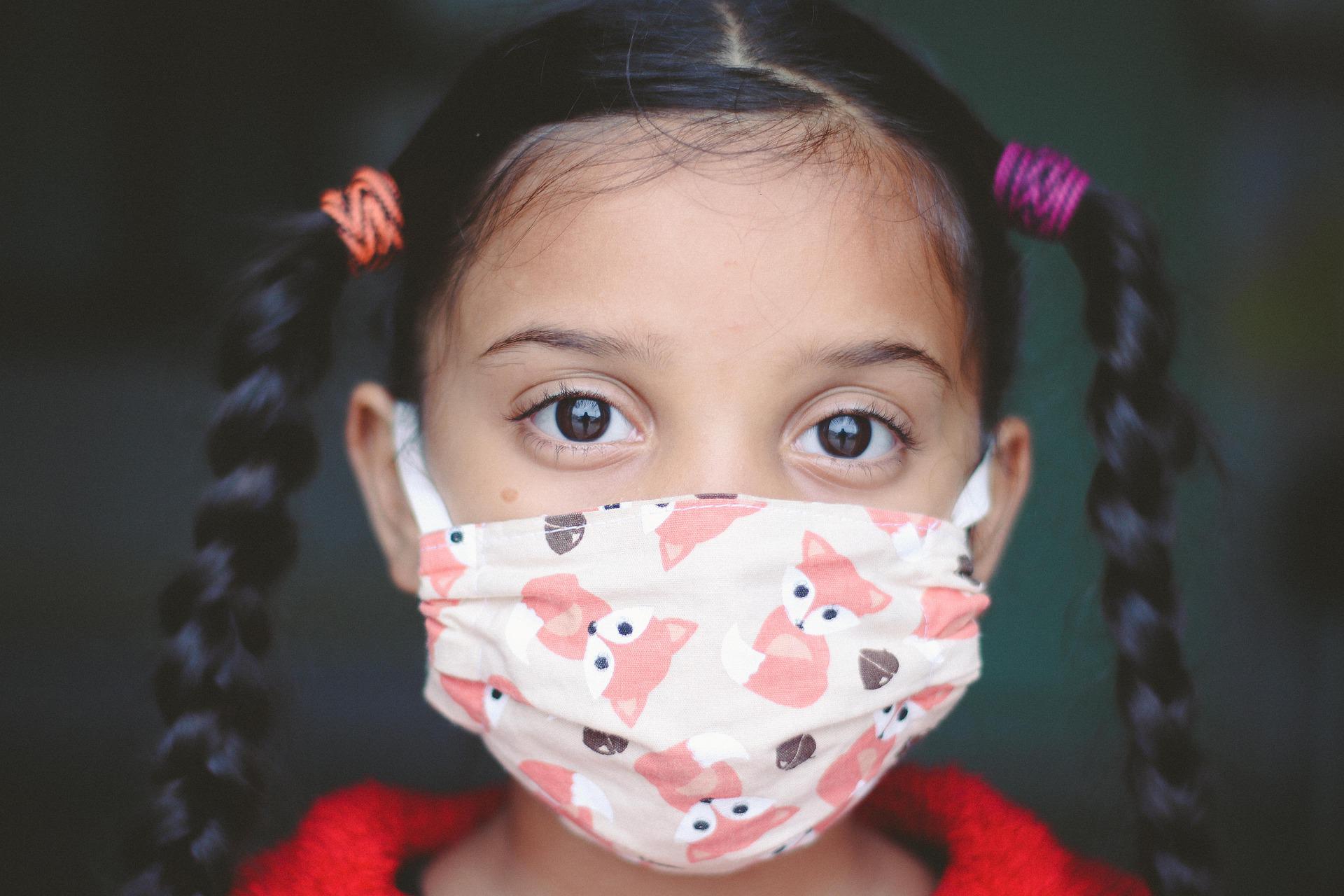
Kids under 6 may have some COVID-19 immunity up to 1 year after infection

Publicly released:
International

COVID-19 antibodies can still be found in people's blood up to one year after a mild or asymptomatic infection, with the data suggesting that in kids under six, the levels might even be high enough to offer protection from subsequent infection. The Italian research showed that younger children had antibody levels that dropped slower than those of their older siblings and adults over the course of the year. While the data suggests that kids under six years might be protected from subsequent infection for up to one year, the authors also point out that this level of immunity may be compromised as different variants emerge.

Media release

From:

Long-Term Immune Response to SARS-CoV-2 Infection Among Children, Adults After Mild Infection

JAMA Network Open
Original Investigation

About JAMA Network Open: JAMA Network Open is the new online-only open access general medical journal from the JAMA Network. On weekdays, the journal publishes peer-reviewed clinical research and commentary in more than 40 medical and health subject areas. Every article is free online from the day of publication.

About The Study: Researchers compared the long-term features of the immune response to SARS-CoV-2 in children with adults among 252 families in Italy.

Authors: Costanza Di Chiara, M.D., of the University of Padua in Padua, Italy, is the corresponding author.

(doi:10.1001/jamanetworkopen.2022.21616)

Editor’s Note: Please see the article for additional information, including other authors, author contributions and affiliations, conflict of interest and financial disclosures, and funding and support.

#  #  #

Attachments

Note: Not all attachments are visible to the general public. Research URLs will go live after the embargo ends.

Research JAMA, Web page Please link to the article in online versions of your report (the URL will go live after the embargo ends).
Journal/
conference:
JAMA Network Open
Research:Paper
Organisation/s: University of Padua, Italy
Funder: This work was partially supported by ORCHESTRA (Connecting European Cohorts to Increase Common and Effective Response to SARS-CoV-2 Pandemic). ORCHESTRA has received funding from the European Union’s Horizon 2020 research and innovation programme under grant agreement 101016167.
Media Contact/s
Contact details are only visible to registered journalists.