Kids may be more resistant to COVID-19 because of all the other viruses they're exposed to

Publicly released:
International
Photo by Izzy Park on Unsplash

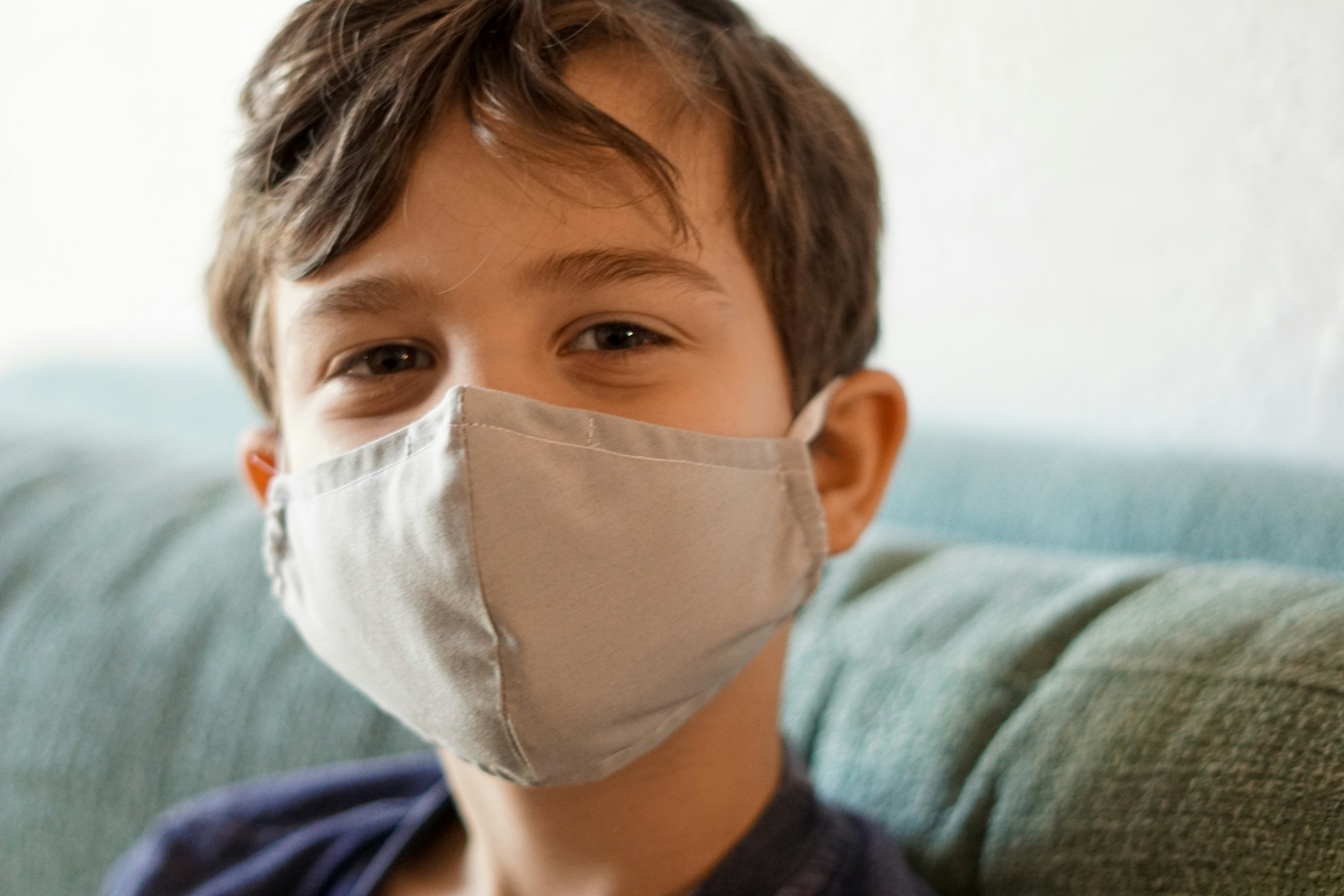
Children may be less likely to experience the worst effects of COVID-19 because they are developing immunity from all the other viruses they're exposed to, according to international researchers. It's unclear why children tend to handle COVID-19 better than adults, so the researchers tested nose samples of children tested for COVID-19 during the pandemic to see what other viruses were present, such as rhinovirus (the common cold) and RSV. The team says the tested viruses were present in a high number of children, even children without symptoms and especially in children aged under five. They say while it's still not clear how much age itself drives a child's immunity to COVID-19, it's possible this frequent exposure to various viruses is giving children especially high levels of innate immunity that is helping them tackle COVID-19.

News release

From: Rockefeller University Press

Analyzing nasal swabs taken during the pandemic, researchers at Yale School of Medicine suggest that the frequent presence of other viruses and bacteria may have helped to protect children from the worst effects of COVID-19 by boosting their immune systems. Their results are published in the Journal of Experimental Medicine (JEM). Read "High burden of viruses and bacterial pathobionts drives heightened nasal innate immunity in children," by Timothy A. Watkins, Alex B. Green, Julien A.R. Amat, Nagarjuna R. Cheemarla, Katrin Hänsel, Richard Lozano, Sarah N. Dudgeon, Gregory Germain, Marie L. Landry, Wade L. Schulz, and Ellen F. Foxman.

Attachments

Note: Not all attachments are visible to the general public. Research URLs will go live after the embargo ends.

Research Rockefeller University Press, Web page
Editorial / Opinion Rockefeller University Press, Web page
Journal/
conference:
Journal of Experimental Medicine
Research:Paper
Organisation/s: Yale School of Medicine, USA
Funder: This study was funded by the National Institutes of Health (T32AI055403 received by T.A. Watkins), Fast Grants for COVID-19 research from the Mercatus Center (George Mason University, Fairfax, VA, USA; received by E.F. Foxman), the Rita Allen Foundation (received by E.F. Foxman), and the Gruber Foundation (received by T.A. Watkins).
Media Contact/s
Contact details are only visible to registered journalists.