 Sign In



 New Zealand; International
News release
From:
Dr Lauren Vargo, Glaciologist at the Antarctic Research Centre, Victoria University of Wellington, and an author of this paper, comments:
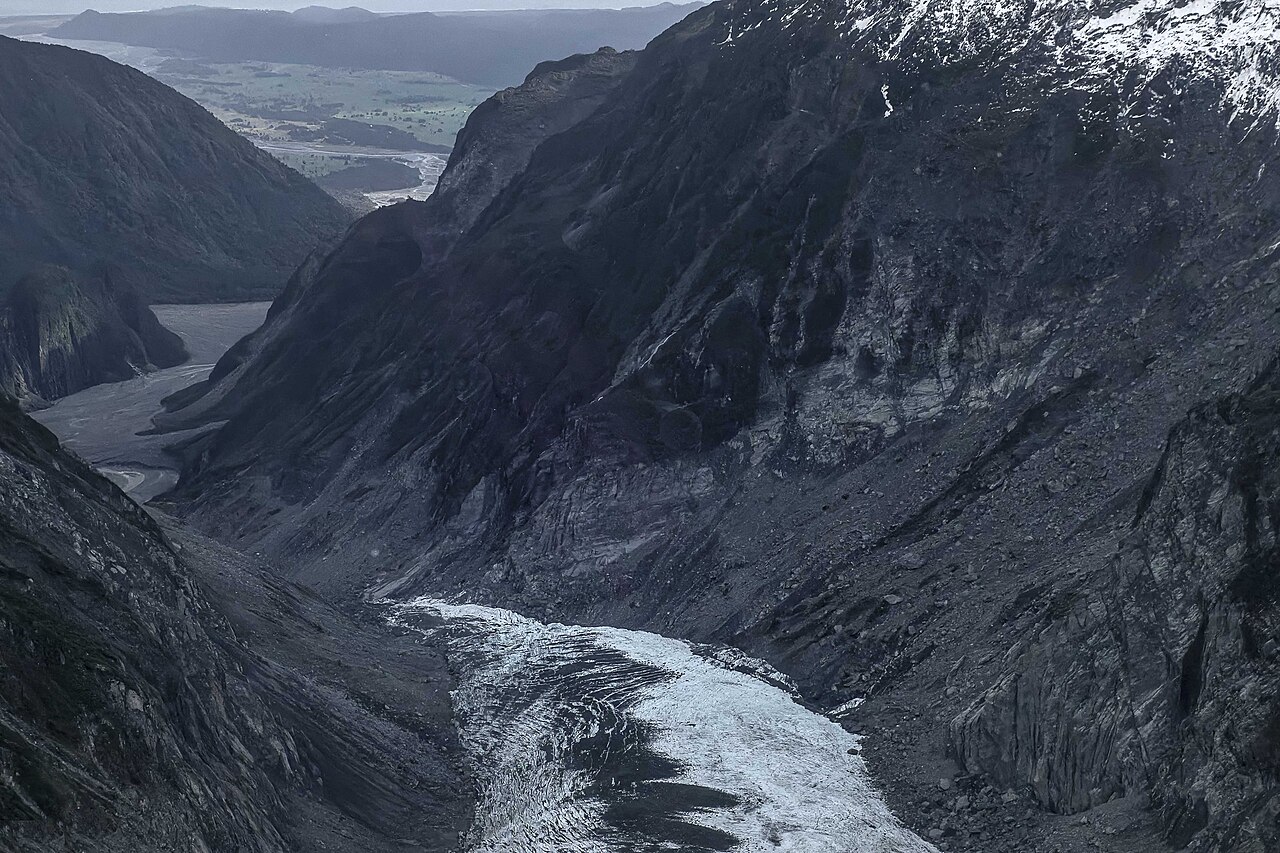
"Measurements made for New Zealand as a part of this study show that the ~3,000 New Zealand glaciers did lose mass, though it was not a record high melt year. While there have been years of mass loss alternated with mass gain throughout most of the record (1976 — 2015), we've now had 10 years of almost continuous mass loss, with this past year adding to that. So it almost seems like a bit of a shift in how our glaciers are changing.
"Measurements made for New Zealand as a part of this study show that the ~3,000 New Zealand glaciers did lose mass, though it was not a record high melt year. While there have been years of mass loss alternated with mass gain throughout most of the record (1976 — 2015), we've now had 10 years of almost continuous mass loss, with this past year adding to that. So it almost seems like a bit of a shift in how our glaciers are changing.
"I've been working on Brewster Glacier over the past 10 years, and it's changed a lot - it's had a ~25% decrease in area (from 2 to 1.5 km2) and has thinned by an average of ~20 vertical meters."
Attachments
Note: Not all attachments are visible to the general public. Research URLs will go live after the embargo ends.


