IVF kids are doing just as well in school as their peers

Publicly released:
Australia; VIC
Photo by CDC on Unsplash

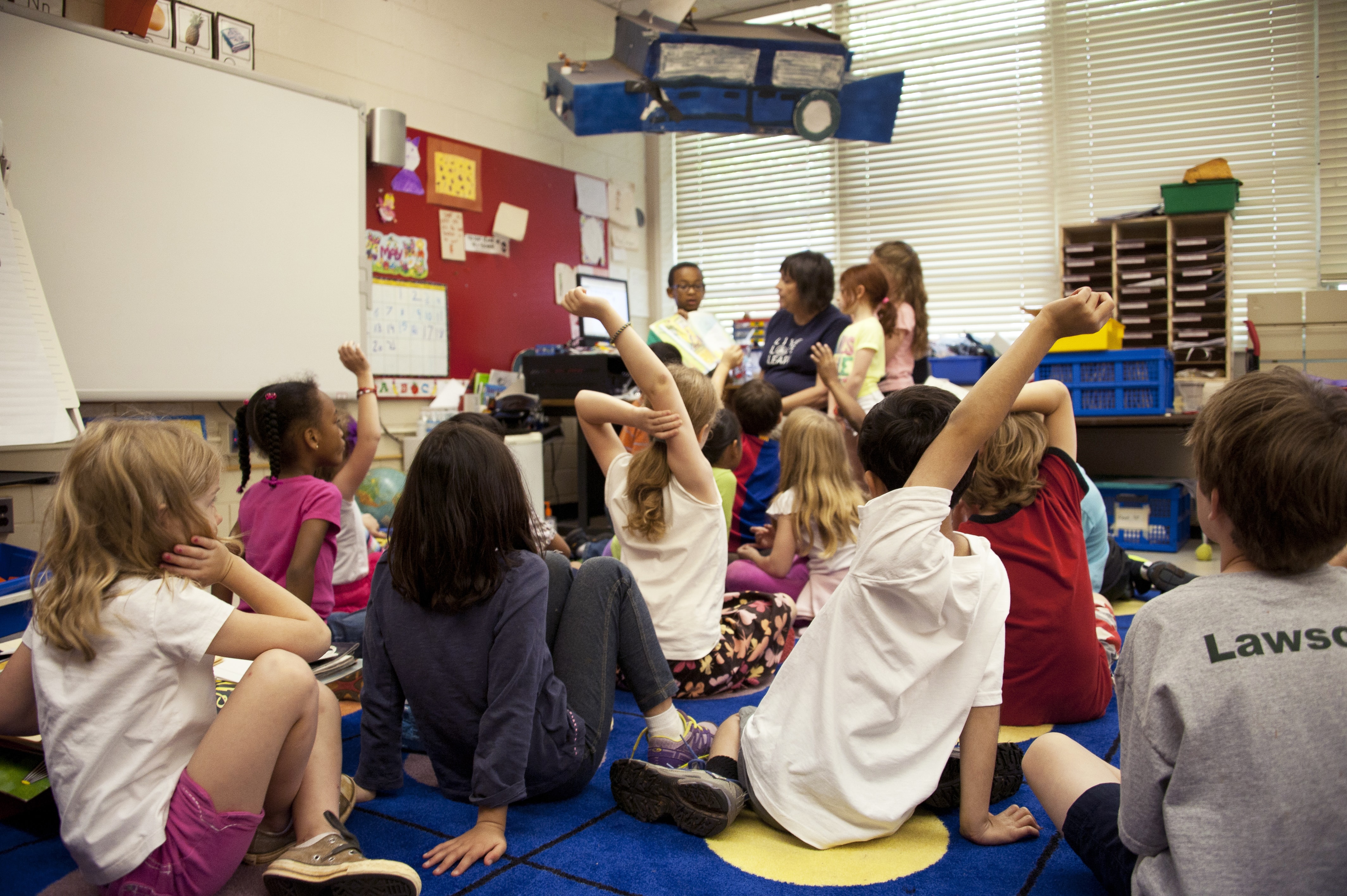
Children born from IVF are developing at the same rate as their non-IVF peers, according to international research. The researchers compiled data from an Australian Early Developmental Census, which measured development in children aged 4-6 across areas including physical health, social competence, language and cognitive skills and general knowledge, and NAPLAN results for children aged 7-9. Comparing IVF babies with spontaneously conceived babies across over 400,000 children, the researchers say there was no measurable difference in scores for either the development census or NAPLAN between IVF and non-IVF kids, suggesting IVF-conceived children aren't facing any additional developmental risks.

Expert Reaction

These comments have been collated by the Science Media Centre to provide a variety of expert perspectives on this issue. Feel free to use these quotes in your stories. Views expressed are the personal opinions of the experts named. They do not represent the views of the SMC or any other organisation unless specifically stated.

Associate Professor Alex Polyakov is a Clinical Associate Professor in the Faculty of Medicine, Dentistry and Health Sciences at the University of Melbourne and is a Medical Director at Genea Fertility Melbourne

As a fertility specialist, I am pleased to see this study confirm what many in the field have long suspected: that children conceived through IVF are just as likely to develop normally as those conceived naturally. This research provides valuable reassurance for the thousands of couples who turn to IVF each year in their quest to start a family. It also serves as a reminder that, while IVF is a complex and demanding process, the end result is well worth it for the families it helps to create.

Last updated:  18 Aug 2023 4:50pm
Contact information
Contact details are only visible to registered journalists.
Declared conflicts of interest None declared.

Attachments

Note: Not all attachments are visible to the general public. Research URLs will go live after the embargo ends.

Research PLOS, Web page The URL will go live after the embargo ends
Journal/
conference:
PLOS Medicine
Research:Paper
Organisation/s: The University of Melbourne, Monash University, Murdoch Children's Research Institute (MCRI)
Funder: This work was supported by the National Health and Medical Research Council through the Australian Federal Government Graduate Research Scheme (AK) and Mercy Foundation, through Mercy Perinatal (AK). Ferring Pharmaceutics supported this work through an unconditional research grant (AK). The funders had no role in the study design, data collection and analysis, decision to publish, or preparation of the manuscript.
Media Contact/s
Contact details are only visible to registered journalists.