 Sign In



 International
News release
From:
How do you measure the age of a fungus? Scientists say it’s surprisingly difficult
Some of Earth’s oldest living organisms may be right beneath our feet: not ancient trees or coral reefs but fungi. Yet despite their ubiquity and importance, scientists still don’t know how long most fungi can live—or even how to define their age.
In an opinion paper publishing in the Cell Press journal Trends in Microbiology on August 13, researchers examine why fungal longevity remains so difficult to study. To investigate the long-overlooked biological mystery, the team recommends leveraging new technologies such as “fungi-on-a-chip” and conducting long-term lab experiments with genetic tracking.
“We don’t really know if 10 years or 500 years is ‘old’ for a fungus or how much it differs between fungal species and lifestyles,” says senior author Kristin Aleklett of Lund University, Sweden.
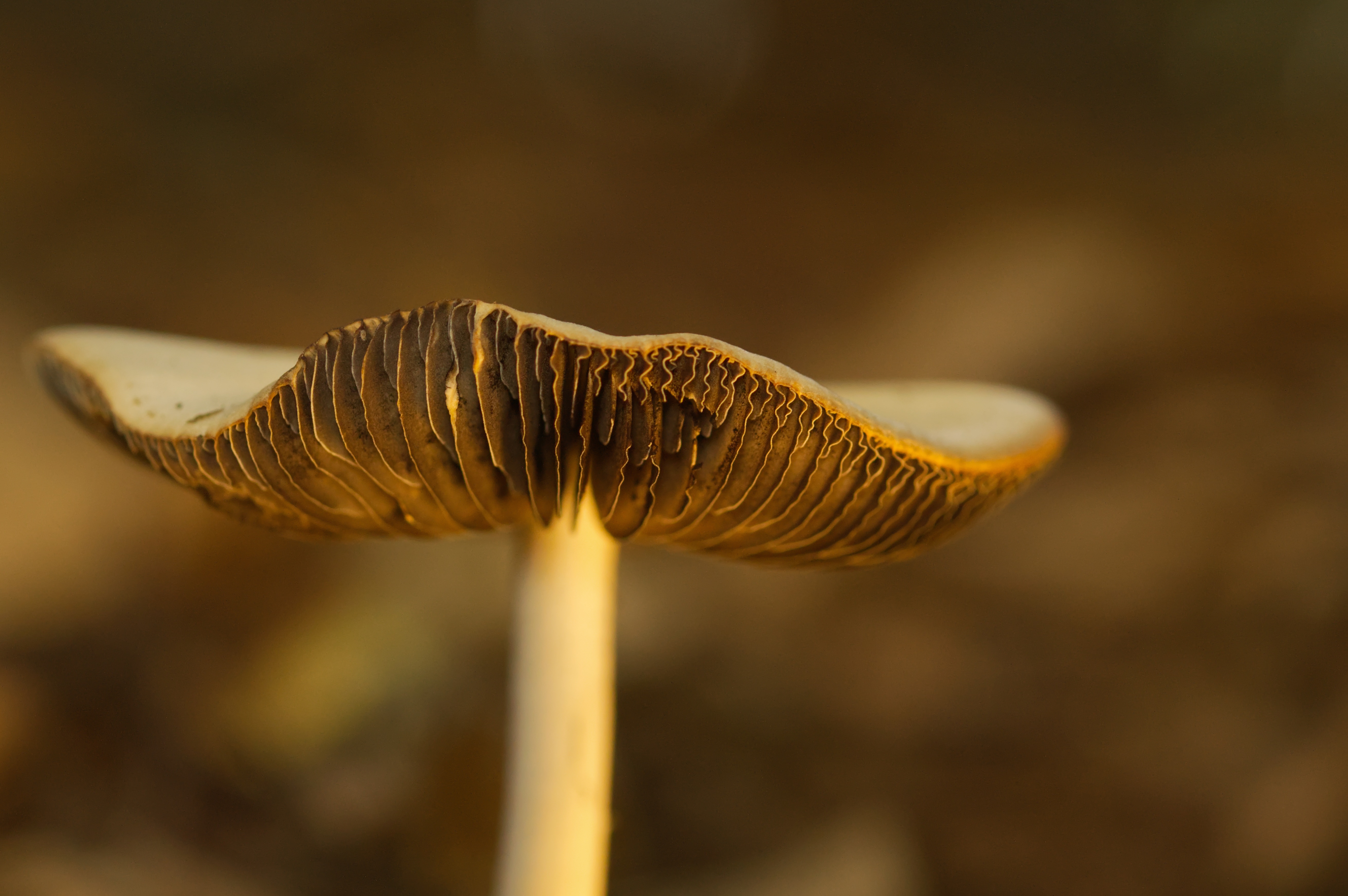
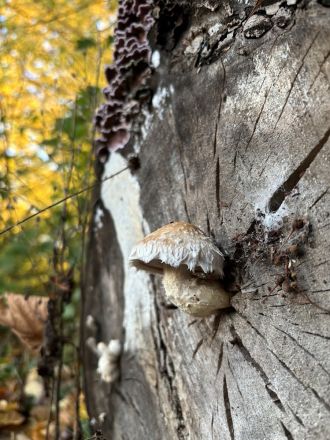
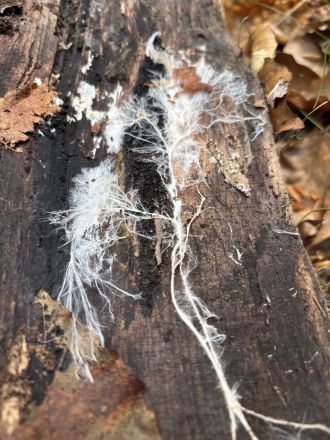
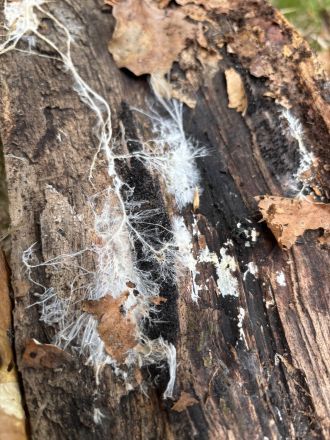
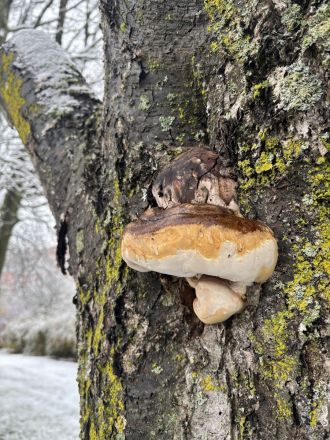
A mushroom that decorates the forest floor is just a small part of a fungus. Beneath the surface lies its main body—a sprawling network of thread-like filaments called mycelium that spreads through soil or wood and sometimes connects with plant or tree roots. Some fungal networks are thought to live for hundreds to thousands of years.
Because the mycelium continually branches, grows, recycles old tissues, and sometimes breaks off into new networks, "one of the biggest difficulties lies in being able to define where a fungal individual begins and ends," says Aleklett.
That raises a series of questions: what exactly should scientists measure? Does a fungus' age begin when its underground network first forms, even if much of it is later replaced? If the underground network breaks apart into separate pieces that still share the same DNA, are they still one individual?
Unlike animals or trees, scientists can’t simply count birthdays or growth rings. Instead, they often rely on genetic tools to identify individual fungi and estimate their age based on how quickly the mycelium grows in the lab. But researchers cannot directly observe how the mycelium expands and dies back over seasons and years in the real world.
“I think it is thrilling that there is still so much basic research about fungi left to discover,” says Aleklett. “There is this large kingdom of organisms living alongside us that we still know so little about.”
Aging may also differ from one fungal species to another. Yeasts have a relatively simple life cycle, while others are more complicated. The longevity of symbiotic fungi that partner with plants may depend on the life of their hosts. Decomposer fungi might outlive a rotting log by branching through the soil to reach new food sources.
Rather than searching for a universal lifespan, the researchers argue that fungal longevity should be studied across different species and lifestyles. They propose combining genetic tracking, long-term lab experiments, and emerging technologies such as “fungi-on-a-chip” to observe fungal growth and persistence in unprecedented detail. That knowledge could deepen scientists’ understanding of the fungi that underpin the ecosystem, agriculture, and human health.
“If we want to be able to preserve fungal biodiversity and ecosystem services, we need to better understand what their life cycles look like, including how or when their lives end,” says Aleklett.
Multimedia

Attachments
Note: Not all attachments are visible to the general public. Research URLs will go live after the embargo ends.


