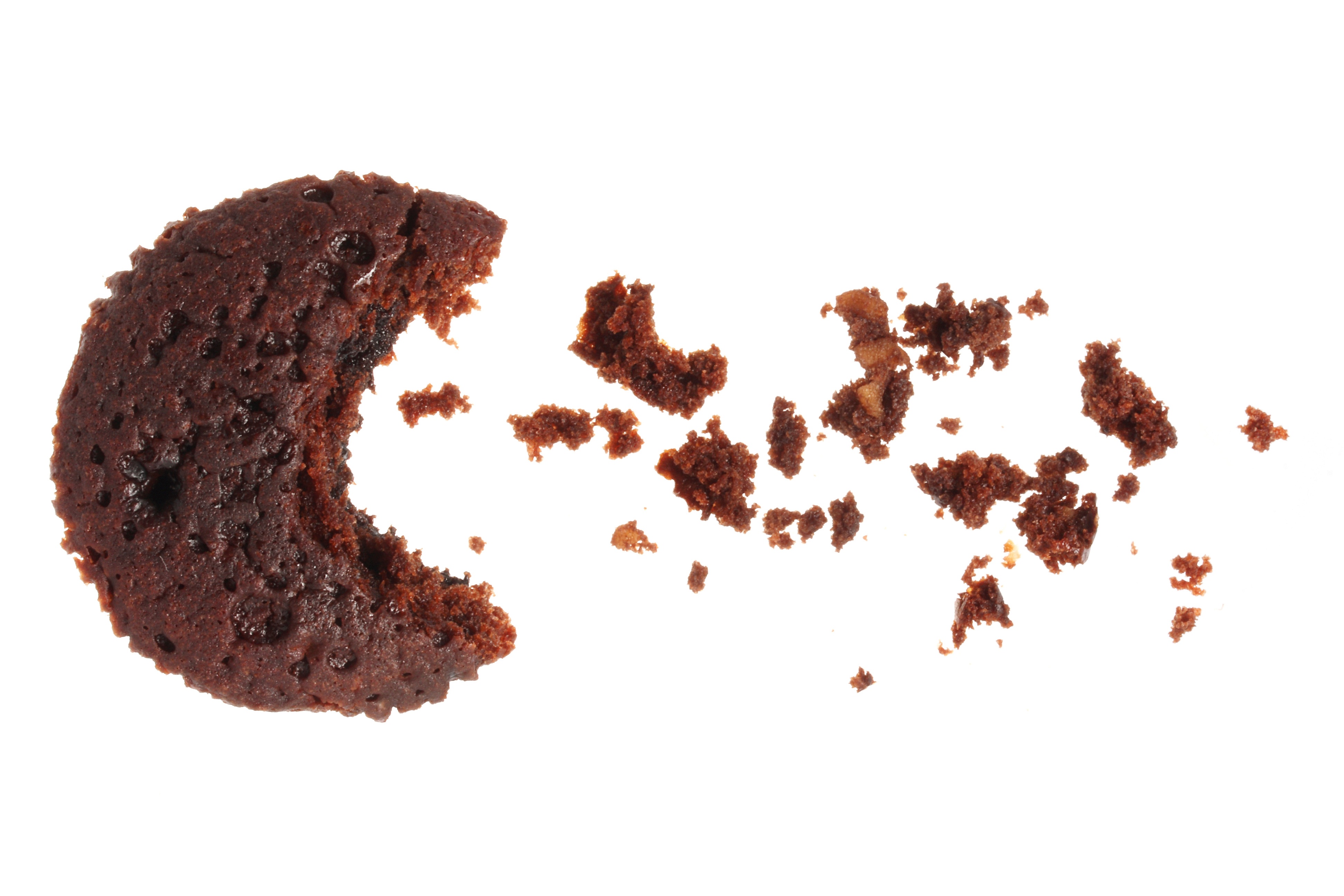
Is that chocolate cookie or horse poo? How long we touch something depends on what it is called

Publicly released:
Australia; NSW

How long would you stick your hand in something if you thought it was cookie crumbs? What about if you thought it was horse poo? Australian researchers have found that how long we will touch a mystery object depends on what we are told it is. The researchers asked people to stick their hands behind a screen a touch a series of hidden objects which they were told were either something nice such as cookies or moisturiser, something nasty such as horse poo or off yoghurt, or something neutral such as coffee grounds or softened butter. The researchers found that giving either a positive or negative name to the same object significantly changed how long people would touch it and how much they said they liked it. 

News release

From: The Royal Society

What’s in a name – Can naming an item change your perception of it? Participants placed their arm through a screen to touch a series of hidden items (e.g., mayonnaise) and rated their experience. Items were named either positively (moisturiser), negatively (spoilt yoghurt) or neutrally (softened butter). Positively named objects tended to be touched for the longest and were rated as the ‘most pleasant’ and ‘least disgusting’, while the opposite effect was found in negatively named items.

What’s in a name? Role of verbal context in touch

Royal Society Open Science

Our study reveals the plasticity of affective reaction in the tactile sense. Giving a different name to the same object - sensed by touch alone - significantly alters behavior (how long you touch it) and affective reaction (how much you like it). This illustrates the power of labels in shaping tactile affect.
 

Attachments

Note: Not all attachments are visible to the general public. Research URLs will go live after the embargo ends.

Research The Royal Society, Web page Please link to the article in online versions of your report (the URL will go live after the embargo ends).
Journal/
conference:
Royal Society Open Science
Research:Paper
Organisation/s: Macquarie University
Funder: The authors received no funding for this study.
Media Contact/s
Contact details are only visible to registered journalists.