News release
From:
Dr Nicola Day, Senior Lecturer in Plant Biology, Victoria University of Wellington (Author of this research)
"Wildfire activity is expected to increase in Aotearoa New Zealand, particularly in dryland areas such as the eastern part of the South Island.
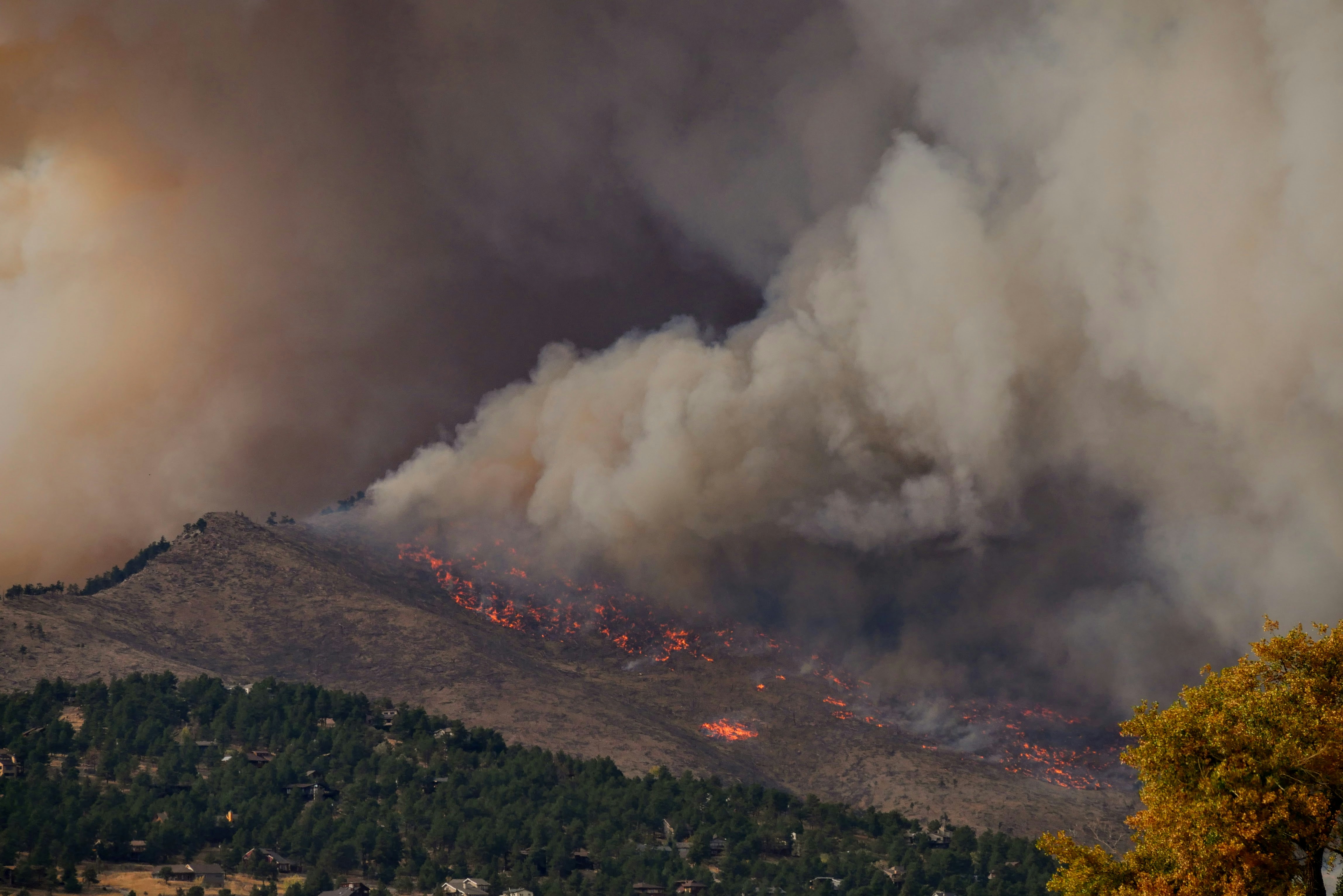
"In this study, we evaluated how vegetation changed over 1-16 months after a wildfire in the Pukaki Scientific Reserve, Canterbury. The wildfire burned 300 ha of grassland and shrubland in September 2020.
"Our results showed that there were short-term changes in vegetation, but plants recovered over the first two summers after fire. Most plants, including native species, survived the fire and resprouted, rather than dispersing in from seed.
"Based on our results, we suggest that active plantings after fire are not necessarily needed vegetation to recover, but further pre- and post-fire monitoring would aid these management decisions."
Journal/
conference:
New Zealand Journal of Botany
Organisation/s:
AUT University, Lincoln University, Victoria University of Wellington, NorthTec
Funder:
This study was supported by Miss E L Hellaby Indigenous Grasslands Research Trust (SBM; no grant number associated), the Rutherford Foundation of Te Apārangi - Royal Society (NJD; no grant number associated), the Land Information New Zealand (no grant number associated), the New Zealand Department of Conservation (no grant number associated), the Brian Mason Scientific & Technical Trust (no grant number associated), the Auckland University of Technology (no grant number associated), and the Victoria University of Wellington (no grant number associated).
 Sign In



 New Zealand