 Sign In



 International
News release
From:
Climate: Amazon culture and knowledge at risk from plant losses
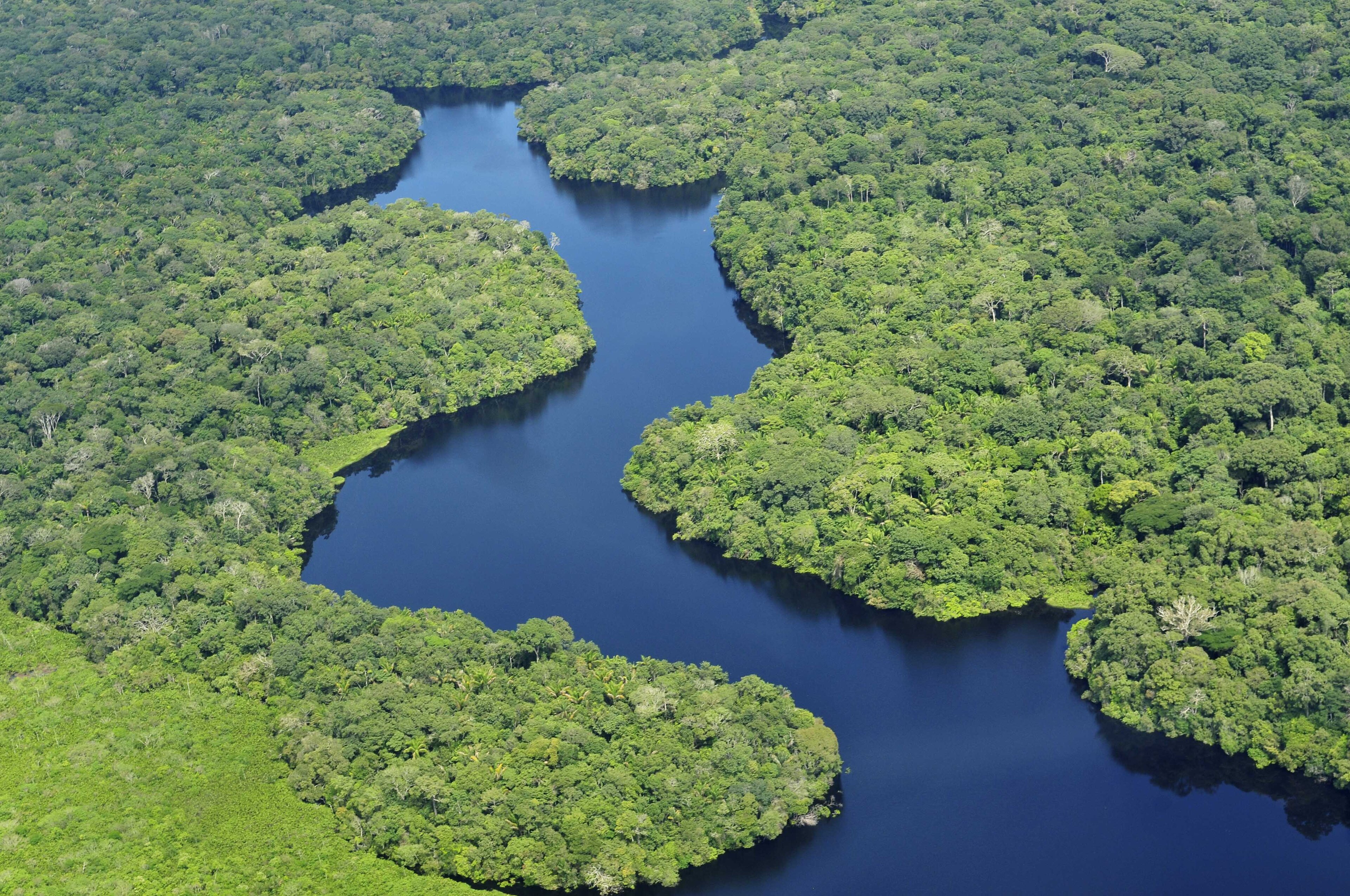
Climate change may reduce the native plant species used by Indigenous cultures in the Amazon basin by one-third according to research published in Nature. The reduction in the availability of culturally important plants, along with projected extinctions of Indigenous languages, could result in the loss of a quarter of the documented knowledge associated with the uses of Amazonian plant species by the end of the century. The work highlights the threat climate change poses to the biocultural heritage of the Amazon.
The Amazon rainforest is a hub for both biological and cultural heritage, containing more than 10% of the Earth’s terrestrial biodiversity and over 400 Indigenous groups. However, there is limited work documenting how human-induced climate change may impact the rainforest’s heritage.
Rodrigo Cámara-Leret and colleagues compiled more than 90,000 reports documenting uses of Amazonian plants by people from 1504 to 2023. Amazonian societies were found to utilize nearly 5,800 different species of plant, representing a twofold increase on previous estimates. For over 76,000 literature reports of native plant species, the authors obtained linguistic threat information for the language in which the report was written, finding that 57% were from 156 different Indigenous languages, of which 56% are under threat.
The authors then modelled the effects of climate change on species distribution between 2060 and 2080 across three scenarios: SSP1–2.6 (climate targets achieved by mid-century), SSP3–7.0 (minimal action on climate change) and SSP5–8.5 (worst-case, no-policy scenario). The models projected average local extinctions of plant species of 28%, 30% and 34% for each scenario, respectively, with utilized species representing a greater proportion of the species in decline (compared to non-utilized). Losses of local services associated with these species, such as medicinal use, were projected to be between 18% and 23% across the three scenarios. Regions with threatened languages were projected to experience higher losses of plant species and services than those without. Additionally, the loss of threatened languages could result in a 26% reduction in the Amazonian knowledge pool, which, in combination with species loss, could lead to a vast loss of cultural knowledge.
The authors suggest that these losses will have critical repercussions for Amazonian societies, and that these data should serve as a starting point for preservation and restoration of the Amazonian bioheritage.
Attachments
Note: Not all attachments are visible to the general public. Research URLs will go live after the embargo ends.


