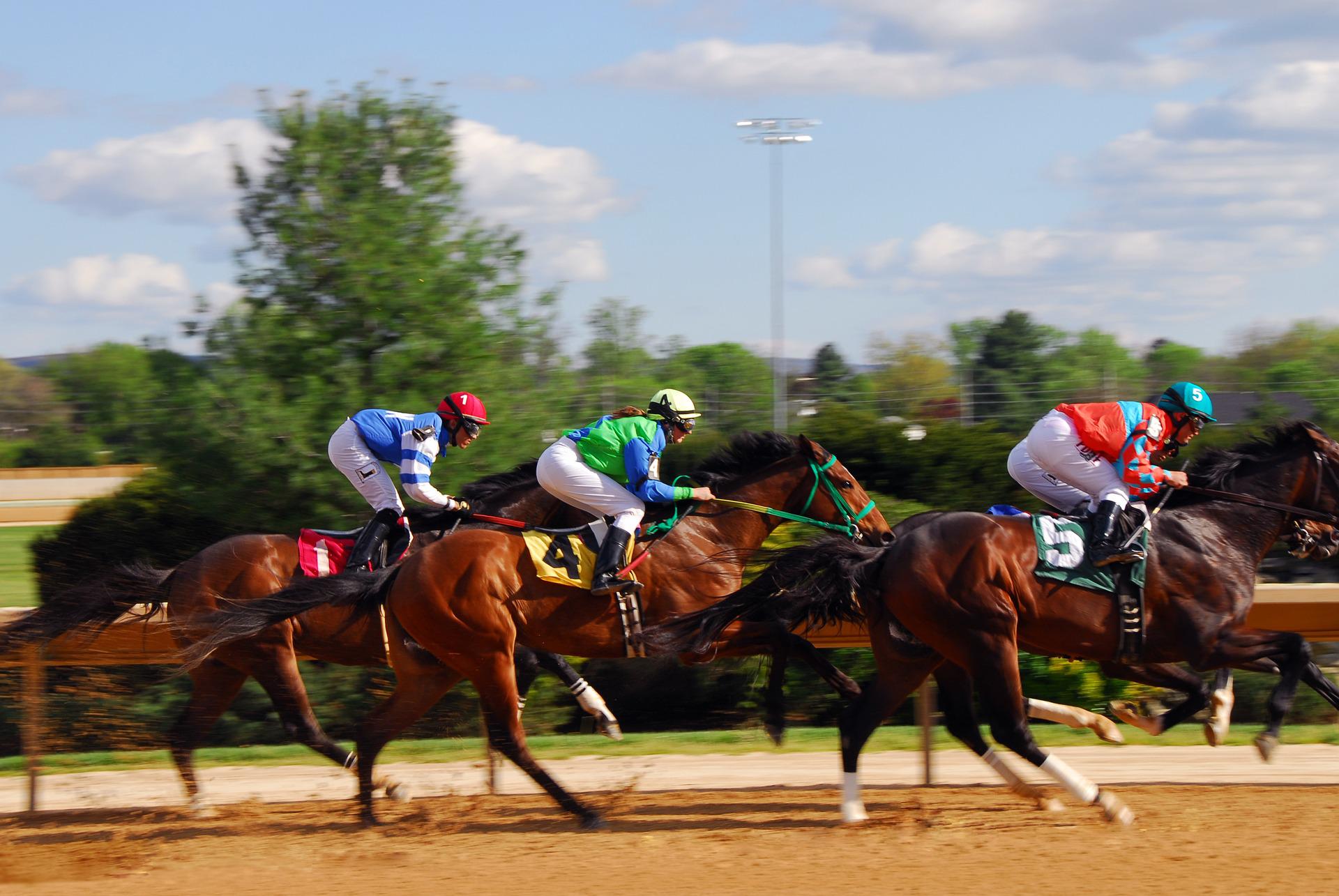
Inbreeding may make it harder for Thoroughbreds to hit the racecourse

Publicly released:
Australia; New Zealand; International
Image by lachrimae72 from Pixabay

Higher levels of inbreeding in Thoroughbred racehorses may reduce the chance of a horse ever racing, according to an international study using global data, including from Australia and New Zealand. The team found that a 10% increase in inbreeding is associated with a 7% lower chance of racing. The research also revealed a specific gene that can reduce the chance of racing by 32% if a horse receives two faulty copies - something that is more likely to happen as a result of inbreeding. The authors advocate breeding programs that use genetic testing to help reduce the chances of inbreeding.

Media release

From: The Royal Society

Inbreeding depression and the probability of racing in the Thoroughbred horse

New research has found that in Thoroughbred racehorses, higher levels of inbreeding, measured across the whole genome, result in a lower chance of a horse ever racing. The research also identified a genetic marker with a major negative effect on racing. One percent of Thoroughbreds have two copies of the marker, and these animals have a three times lower probability of ever racing. Breeding decisions can be managed if the genetic marker carrier status of a mare and stallion are known, which will have a positive impact on animal welfare. Breed-wide programmes of genetic testing could also reduce inbreeding.

Journal/
conference:
Proceedings of the Royal Society B: Biological Sciences
Research:Paper
Organisation/s: Plusvital Ltd., Ireland
Funder: This research was conducted with the financial support of Plusvital Ltd. (www.plusvital.com) and Science Foundation Ireland (grant no. 11/PI/1166).
Media Contact/s
Contact details are only visible to registered journalists.