 Sign In



 International
News release
From:
Evolution: Childbirth challenges are not uniquely human
A tight fit between the birth canal and the baby’s head is not unique to humans, with comparable or tighter fits found in several other primates, including squirrel monkeys and bush babies. The findings, published in Nature Ecology & Evolution, suggest that birth-related constraints have evolved in multiple ways across primates.
Human childbirth has long been regarded as uniquely challenging among primates, partly because of a proposed trade-off between adaptations for walking on two legs and increasing brain size. However, reports of birth complications, difficult deliveries, and stillbirths in several non-human primates challenge the assumption that birth is comparatively easy for non-human primates. Importantly, previous research has used measurements developed for human pelvises and neonates, which underestimate birth-related constraints in non-human primates.
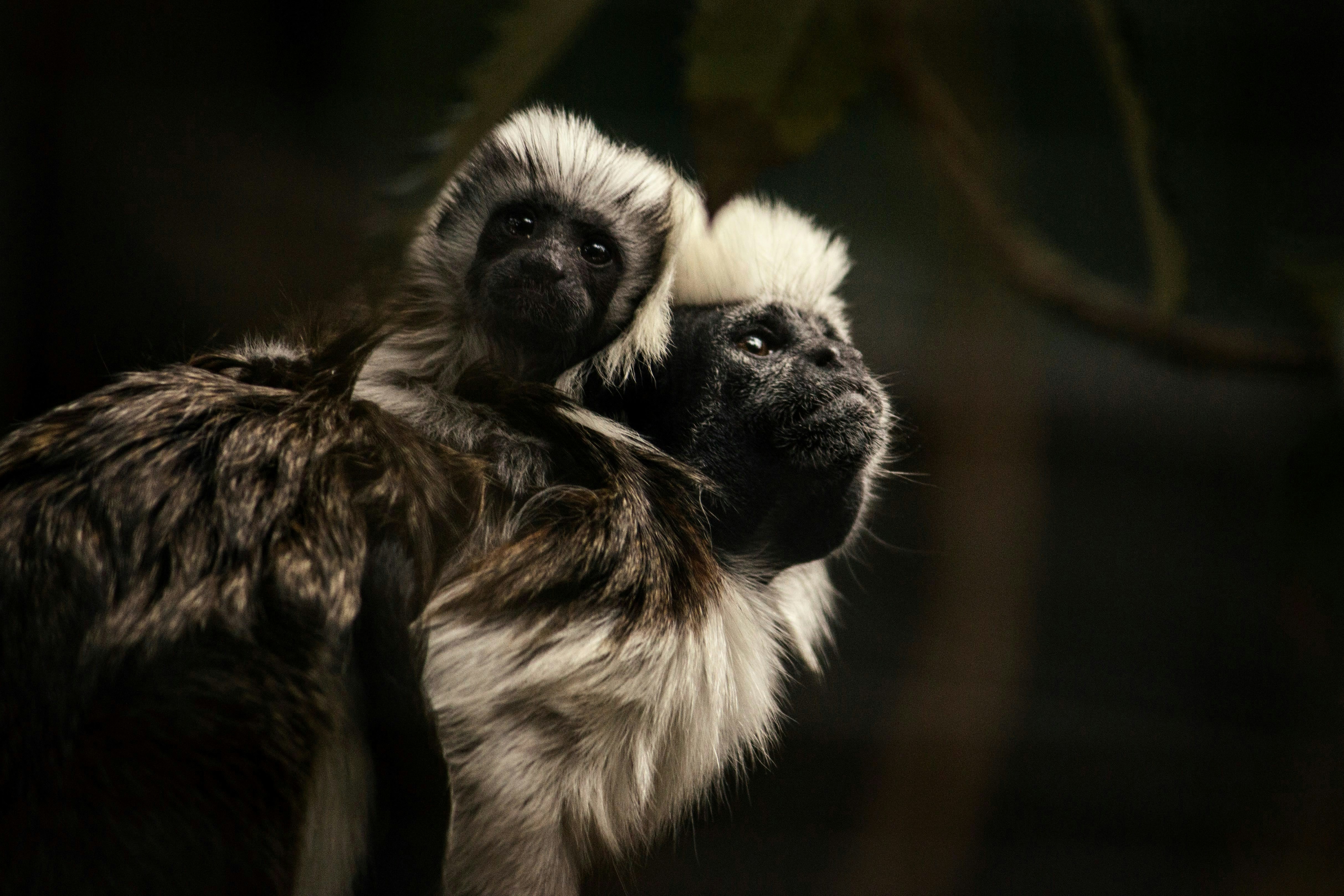
Nicole Torres-Tamayo and colleagues analysed cephalopelvic fit — the relationship between neonatal head size and the space available in the maternal pelvis — using species-specific three-dimensional data from pelvic inlet and neonatal cranial measurements. This included measurements from 130 adult female specimens from 29 primate species. The authors found that pelvic inlets in non-human primates were on average 11% smaller than previous estimates based on traditional human-specific measurements, with reductions of more than 18% in some species, such as the three-striped night monkey or common woolly monkey. Humans had the tightest fit among extant apes, while neonatal heads in other apes (such as gorillas and orangutans) had comparatively more space. The tightest cephalopelvic fits were seen in small-bodied primates, such as bushbabies, tamarins, and squirrel monkeys. In these species, babies’ heads were larger than the maternal pelvic inlet, suggesting that birth may depend on adaptations such as greater pelvic and soft-tissue flexibility. The authors note that these tree-living primates do not have relatively large brains or upright locomotion, which are proposed factors underlying human birthing challenges.
The results suggest that birth-related constraints have evolved in multiple ways across primates, through relatively large offspring, relatively small pelvic inlets, or both. The authors note that a tight fit may be partly offset by adaptations such as fetal head position, pelvic ligament relaxation and flexibility of the newborn head.
Multimedia



Attachments
Note: Not all attachments are visible to the general public. Research URLs will go live after the embargo ends.


