How well-protected are you against COVID-19 if you've already had it and been vaccinated?

Publicly released:
International
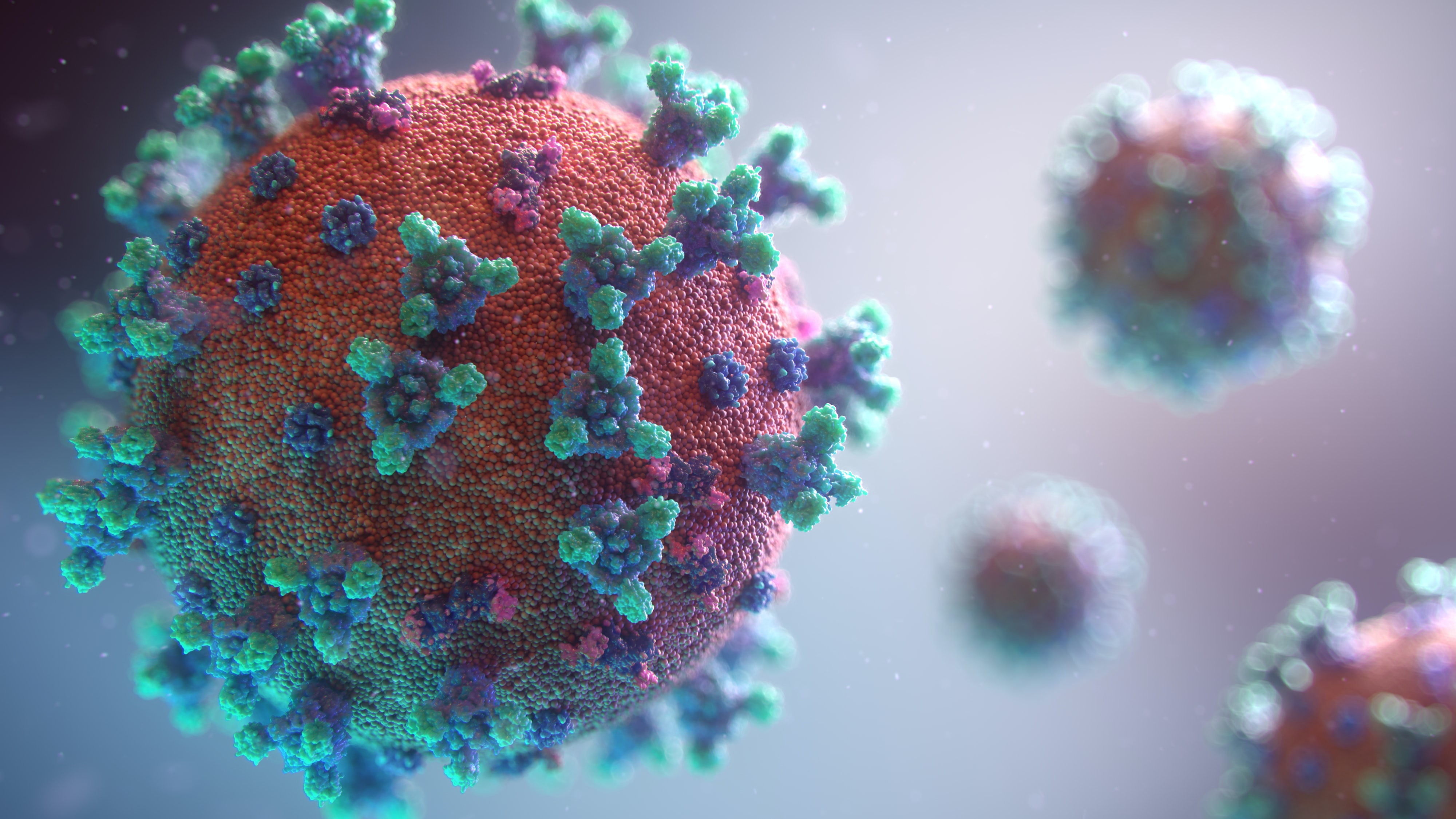
Photo by Fusion Medical Animation on Unsplash

People who have both been infected with COVID-19 and vaccinated have sustained protection against hospitalisation and severe disease when going another round with the virus, according to a systematic review of studies looking at how effective and long-lasting immunity is after infection and vaccination. The researchers say immunity from previous infection alone appears to last longer and be more effective than vaccination alone, but the combined immunity from both is the best. They say when considering more rounds of vaccination, countries will need to consider how much immunity their populations already have.

News release

From: World Health Organization (WHO)

WHO-led collaboration shows the level of immunity against COVID-19 after one year

A paper published today in The Lancet Infectious Diseases presents a systematic review of the level of immunity derived from COVID-19 infection, and from a mix of infection and vaccination known as ‘hybrid immunity.’

The analysis shows that hybrid immunity provides higher protection, demonstrating the advantages of vaccination even after people have had COVID-19.

Based on data from 26 studies, the analysis shows that protection against severe disease and hospitalization remains high 12 months after developing hybrid immunity or having an infection, when compared to unvaccinated and uninfected individuals. One year after developing hybrid immunity, a person had at least a 95% lower chance of getting severe COVID-19 or needing hospitalization, while those who were infected a year ago but not vaccinated had a 75% lower chance of the same.

Protection against reinfection was lower than that against severe disease, though still substantial. Those with hybrid immunity had a 42% lower chance of being reinfected one year later. Those who had been infected before, had a 25% lower chance of the same.

These findings are the product of a joint collaboration between World Health Organization, the Unity Studies and SeroTracker.

Attachments

Note: Not all attachments are visible to the general public. Research URLs will go live after the embargo ends.

Research The Lancet, Web page
Journal/
conference:
The Lancet Infectious Diseases
Research:Paper
Organisation/s: World Health Organization (WHO)
Funder: NB, HW, XM, ZL, RH, CC, AS, MW, BC, and RKA report grants unrelated to the present work from the WHO Health Emergencies Program, the Public Health Agency of Canada through Canada's COVID-19 Immunity Task Force (grant 2021-HQ-000056), the Robert Koch Institute, and the Canadian Medical Association Joule Innovation Fund. HI reports contracts unrelated to the present work from WHO. MMH reports contracts unrelated to the present work from WHO, Pfizer, and the Bill & Melinda Gates Foundation. VP is an unpaid governing board member and Royal Trustee at Cochrane. RKA reports consulting fees unrelated to the present work from the Bill & Melinda Gates Foundation Strategic Investment Fund, Health Canada, and Flagship Pioneering, and stock in Alethea Medical that is unrelated to the present work. MDVK, IB, DF, and LS are employed by WHO. MMH has contracts with WHO, CEPI, and the Asian Development Bank to gather data on COVID-19 vaccine efficacy, effectiveness, and safety from published studies, and reports unrelated grants from Pfizer and the Bill & Melinda Gates Foundation. AW-S and MKP consult on COVID-19 research and policy for WHO.
Media Contact/s
Contact details are only visible to registered journalists.