 Sign In



 Australia; International; TAS
News release
From:
Gratitude generates trust and protective urges, study finds
WASHINGTON — Whether it's artificial intelligence programs or the Amazon rainforest, people often experience gratitude or protectiveness toward non-human entities because they perceive these entities as having good intentions, according to research published by the American Psychological Association.
“Gratitude may come from seeing good intentions here and there in the world, as opposed to simply knowing who or what has benefited you,” said lead researcher Yen-Ping Chang, PhD, a senior lecturer at the University of Tasmania in Australia.
Anthropomorphism is the attribution of human characteristics, emotions or behaviors to non-human entities, such as machines, animals or natural phenomena.
The research, which was published online in the journal Emotion, included five online experiments with a total of more than 2,000 participants from the United States. In several of the experiments, participants were divided into two groups who read text that either anthropomorphized a subject or provided a more objective description.
In one experiment involving computers, the anthropomorphism group read that “the minds of computers are getting smarter and smarter every day” and that “we all should consider the possibility that computers do have or will soon have free will like you and me.” The non-anthropomorphizing text described computer processors, instead of “minds”, and stated that “computers are not self-aware and are simply empty ‘inside’.”
All of the participants then wrote about their thoughts and feelings about computers and the importance that computers held in their lives. Participants in the anthropomorphizing text group were more likely to perceive computers as responsive partners, which engendered gratitude, trust and protective urges for computers.
There were similar findings in other experiments that focused on AI programs, the Amazon rainforest or the Kuroshio Current in the Pacific Ocean.
“Through gratitude, humans bond with non-humans as they do with each other," Chang said. “It seems that once people see a thing as alive, they appreciate it in a deeper way.”
That level of gratitude was further heightened when participants benefited in some way from the non-human entities. In one experiment involving a game with an AI program, participants expressed more gratitude when the AI program let them win more often.
The study also found that people expressed greater intention to support environmental efforts when they anthropomorphized the Amazon rainforest or the Kuroshio Current, which helps provide milder climates in Japan and Taiwan.
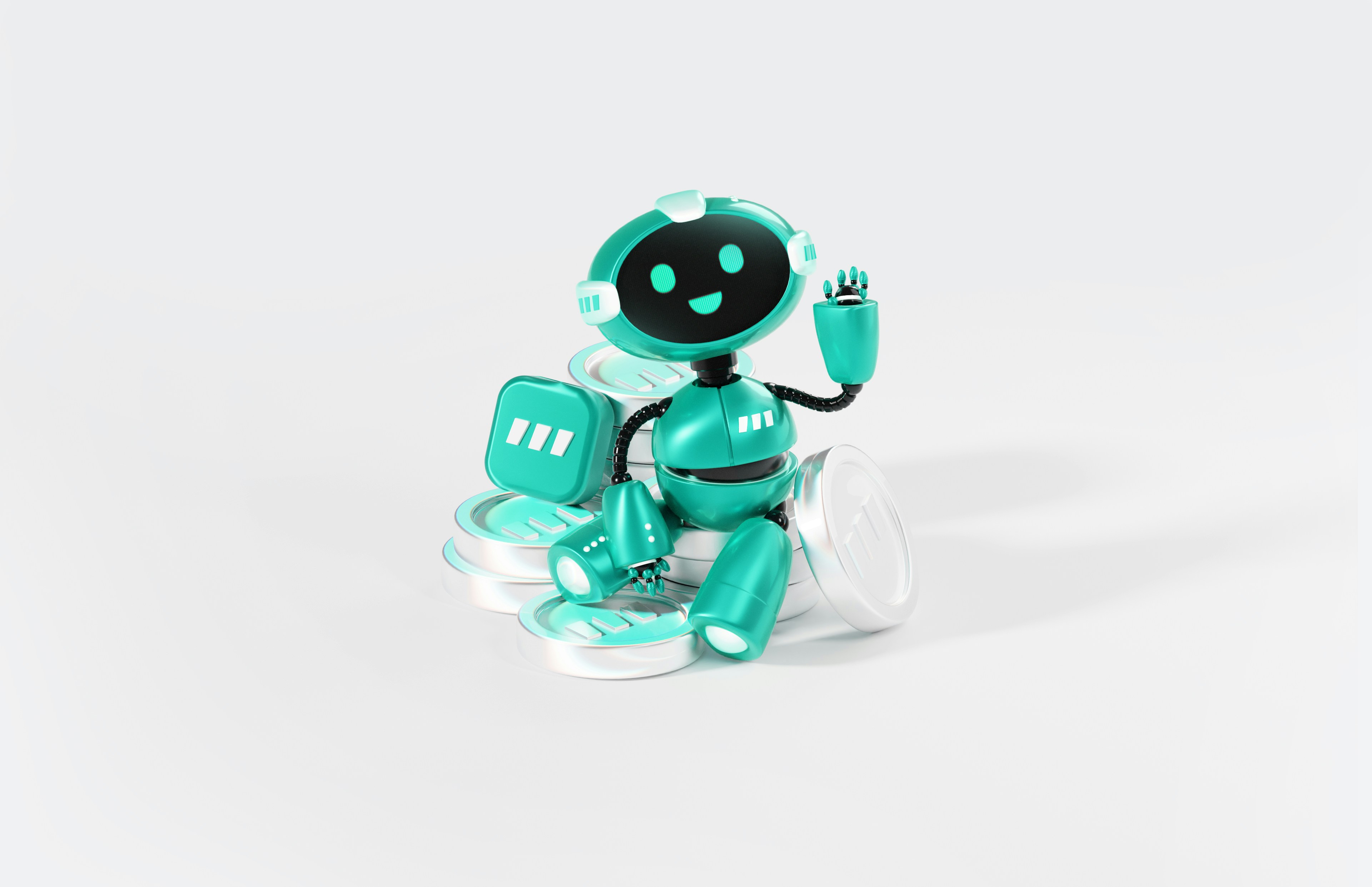
Anthropomorphism may have positive benefits (e.g. protecting the environment) or negative impacts, such as falling in love with an AI chatbot. Tech companies may exacerbate the potential risks of anthropomorphism by giving human names to AI programs, such as Siri, Alexa or Watson, Chang said.
“Although not always helpful, AI programs are fairly useful and can be trusted and utilized from time to time,” Chang said. “People should always be cautious about how much they anthropomorphize and invest themselves in relationships with things, but we don't think having bonds with some things, like AI, is always detrimental.”
Attachments
Note: Not all attachments are visible to the general public. Research URLs will go live after the embargo ends.


