Sign In



 Australia; QLD
News release
From:
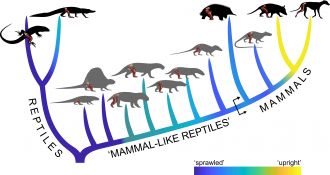
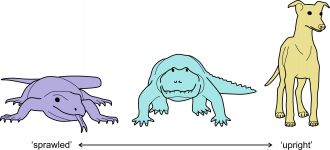
A recent study published in Science Advances sheds light on the complex evolution of mammalian posture, revealing a non-linear transition from sprawling to upright locomotion.
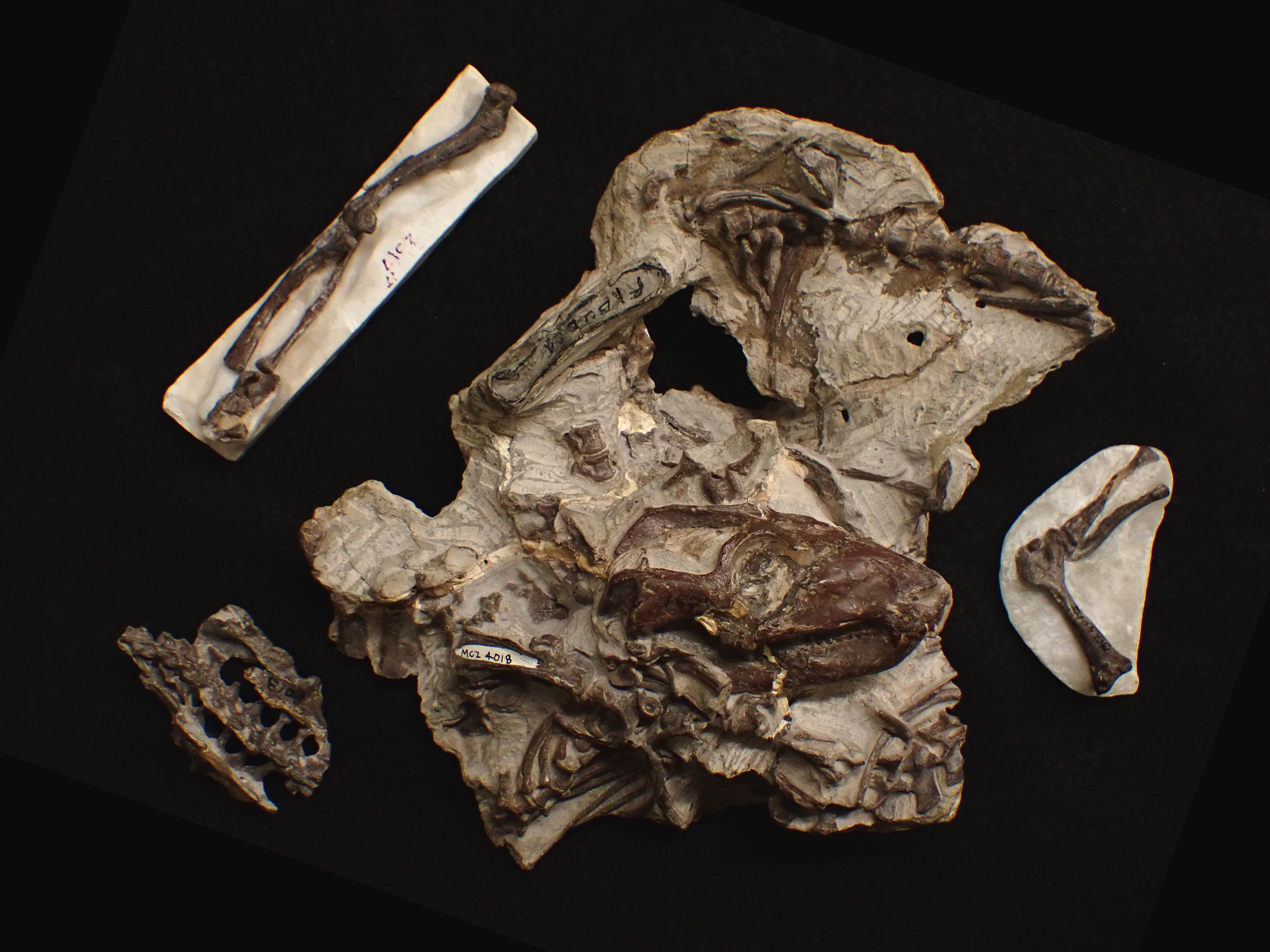
Researchers from Harvard used advanced biomechanical modelling and fossil data to analyse various synapsid species over 300 million years, including notable ancestors like Dimetrodon and Lycaenops. Their findings indicate that this evolutionary shift was intricate and occurred later than previously believed, with some species exhibiting flexibility in limb posture akin to modern alligators.
Lead author, Harvard postdoctoral fellow and Queensland Museum research honorary Dr Peter Bishop worked alongside senior author Professor Stephanie Pierce, both in the Department of Organismic and Evolutionary Biology at Harvard on the paper.
This research is particularly relevant to Australian palaeontology, where the same approaches in computer simulation can help resolve questions of locomotion in iconic fossil species, such as Diprotodon and Thylacoleo.
Dr Bishop said the study also emphasises that unique Australian mammals can enhance our understanding of how ancient mammal ancestors modified their posture and movement over time, highlighting the intricate evolutionary pathways that led to the diverse forms we see today.
"Australia notoriously has a scant fossil record of the ancient ancestors of mammals, but among our modern mammalian fauna we have the most primitive species alive today — the echidna and platypus,” Dr Bishop said.
“Studying these 'living fossils, as we did here, can provide unique perspective on understanding one of the most important behavioural transitions in our distant ancestors."
Multimedia