 Sign In



 Australia; International; QLD
News release
From:
Health: Disease-resistant mosquitos resilient to projected near-term climate change
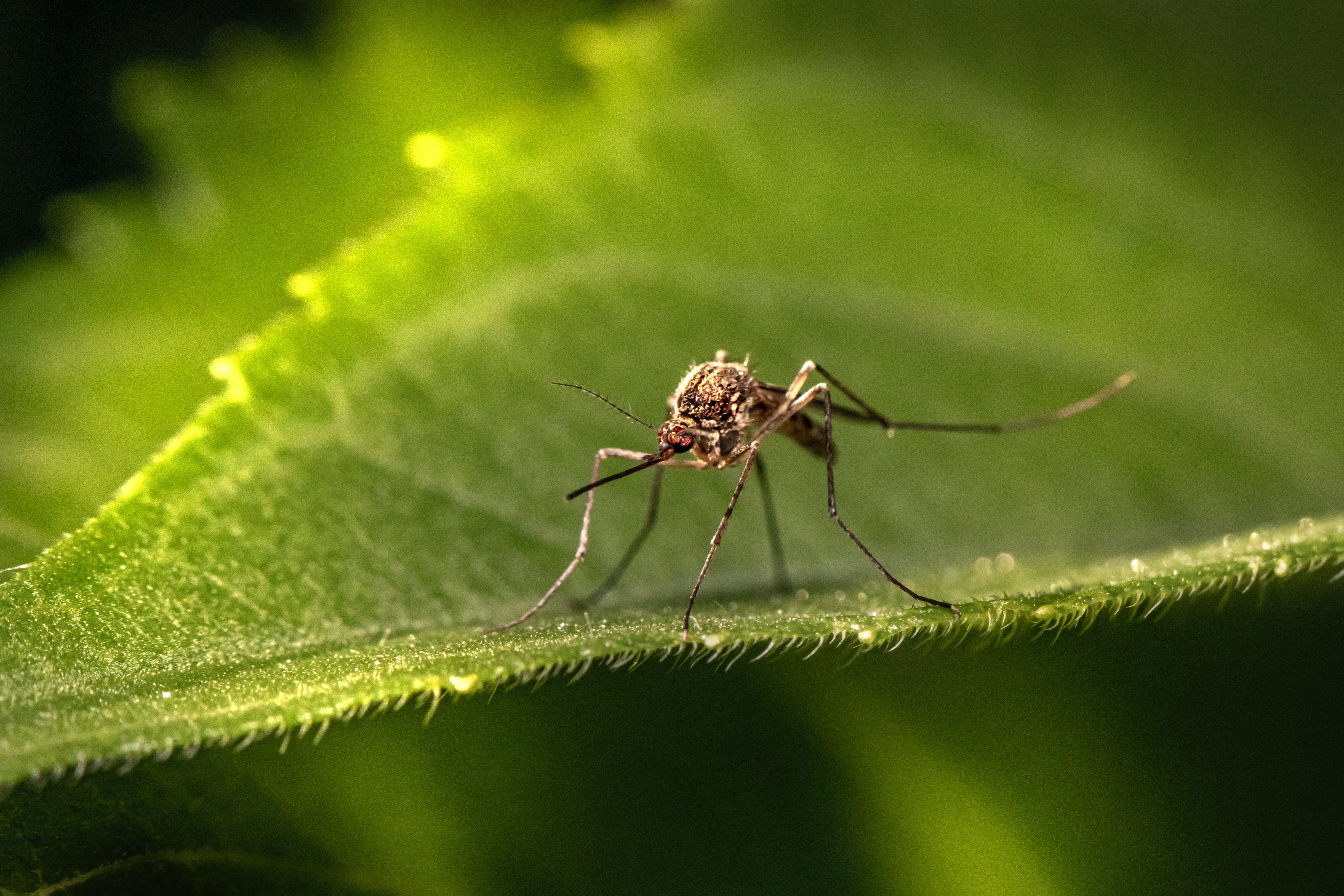
The wMel strain of the bacterium Wolbachia, which blocks the transmission of mosquito-borne viruses such as dengue, is likely to remain effective under projected heatwave scenarios into the 2030s, according to a modelling study published in Nature Climate Change. However, its effectiveness under longer-term warming scenarios is uncertain.
Mosquito-borne diseases including malaria, dengue and Zika virus affect millions of people, and may become more of a risk under future climate conditions, as temperature affects the geographic range and prevalence of these diseases. A promising biological control technology replaces wild mosquitos with those carrying the bacterium Wolbachia pipiens, which blocks infection and transmission of various mosquito-borne disease pathogens. Multiple strains of Wolbachia bacteria have already been transferred into various Aedes mosquito species, and undergone trials in Latin America, Asia and Oceania, mostly using the wMel bacterium strain. However, the wMel strain may be weakened under heat stress.
Váleri Vásquez and colleagues integrate a model of mosquito population dynamics with data on how temperature affects wMel in a laboratory setting, and projections of the severity of future heatwaves, to understand the potential impacts of warming on wMel in Cairns, Australia and Nha Trang City, Vietnam, where successful field trials had been carried out. Although the authors conclude that the technology is generally robust to projected near-term (2030s) climate change, their work also reveals the potential vulnerability of the wMel technology under high temperature variability and longer-term climate change. The authors project that heatwaves in the 2050s may last longer (an average of 24 days) compared with heatwaves projected in the 2030s (an average of 9.7 days), which has a negative effect on wMel.
The authors suggest scenarios with hotter and more frequent heatwaves could diminish wMel’s efficacy. Further research is needed to understand wMel’s thresholds, and more adaptive approaches need to be developed for mosquito-borne diseases, they conclude.
Attachments
Note: Not all attachments are visible to the general public. Research URLs will go live after the embargo ends.


