 Sign In



How have abortions changed in Victoria over the past decade
Publicly released:
 Australia; NSW; VIC

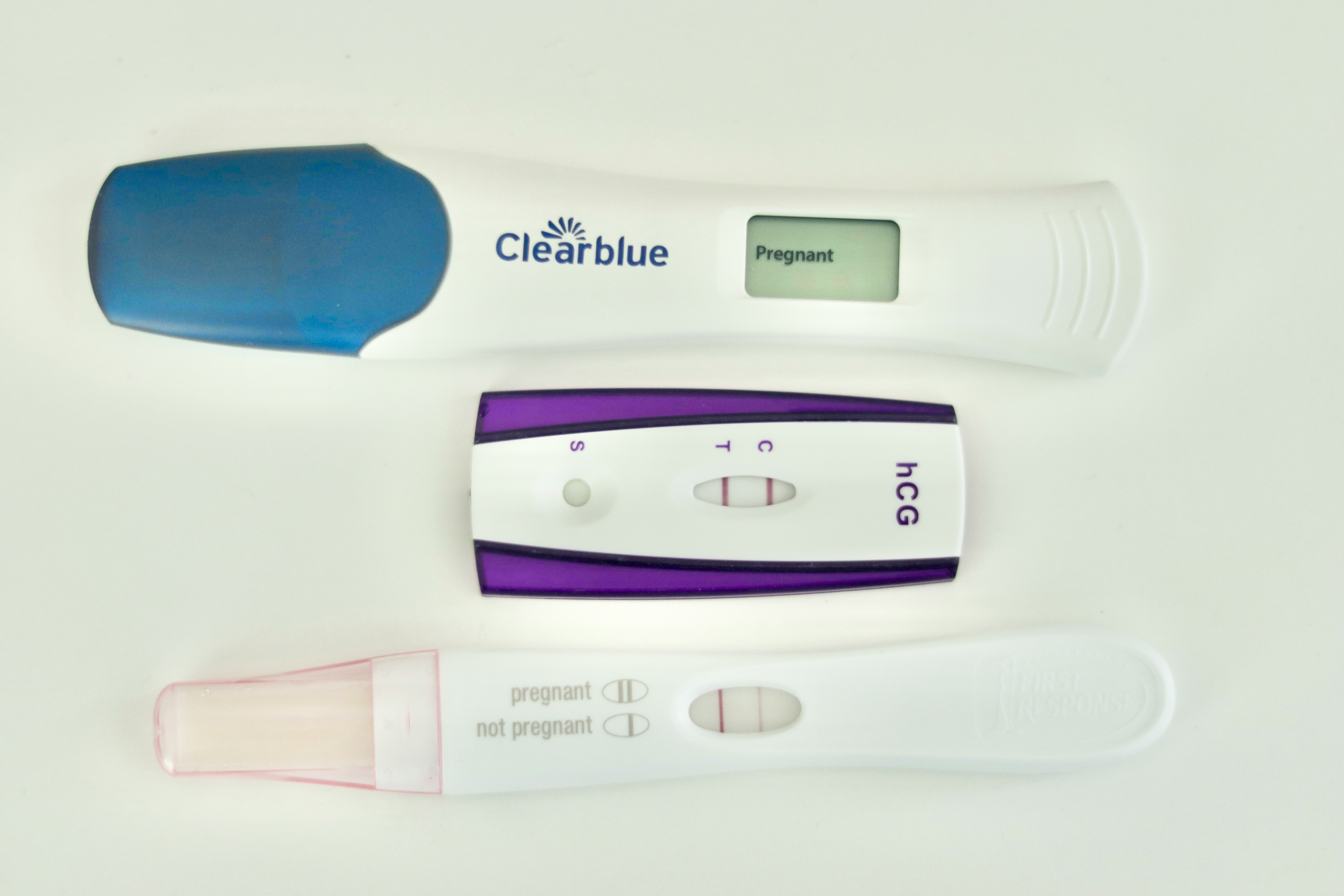
The rate of abortions in Victoria appears to have declined over the past decade and the proportion of women having medication abortions instead of surgical abortions in hospitals is on the rise, according to two Australian studies. In the first paper, the researchers looked at the number of women who gave birth in Victoria between 2010-2019 who report having had an abortion. They say over the study period, the number of women who said they'd had an abortion declined, however the decline was mostly found in major cities. In the second paper, another team looked at data on the number of hospital-based abortions in Victoria from 2012-2022 and the number of prescriptions for mifepristone–misoprostol, a medication for early abortion. The researchers say there was a decline in hospital abortions over the study period, and an increase in mifepristone–misoprostol prescriptions.

Media Contact/s 
Contact details are only visible to registered journalists.
Share this page

More News
Dust mite allergens and crystalline silica worsen lung inflammation and diminish effectiveness of steroid therapy
International
University of Sharjah
Allergy
National survey to expose gaps in autism support in Australia
Australia; WA
The Kids Research Institute Australia
Air pollution linked to glaucoma and cataracts
International
Eye Specialist Hospital and Research Center, Saudi Arabia
Congress of the European Society of Cataract and Refractive Surgeons (ESCRS)