 Sign In



 New Zealand; International
News release
From:
"The “holy grail” of pest control is a product that targets only the pest, has minimal impact on other species, is safe to use, and still works effectively in the real world.
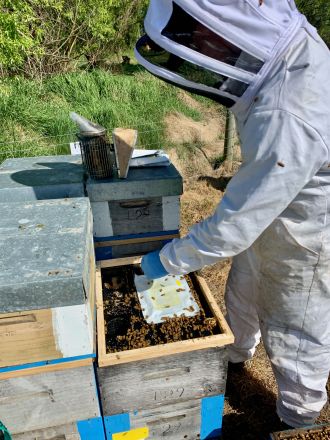
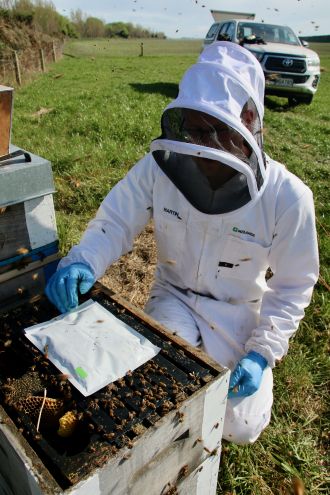
"Over the last decade, we have been working on a new type of biopesticide. This biopesticide works on a natural process called gene silencing. The biopesticide we studied is now being commercially produced in the US and is called Norroa™ by GreenLight Biosciences, Inc. It uses double‑stranded RNA (dsRNA) to disrupt a key biological process in the pest.
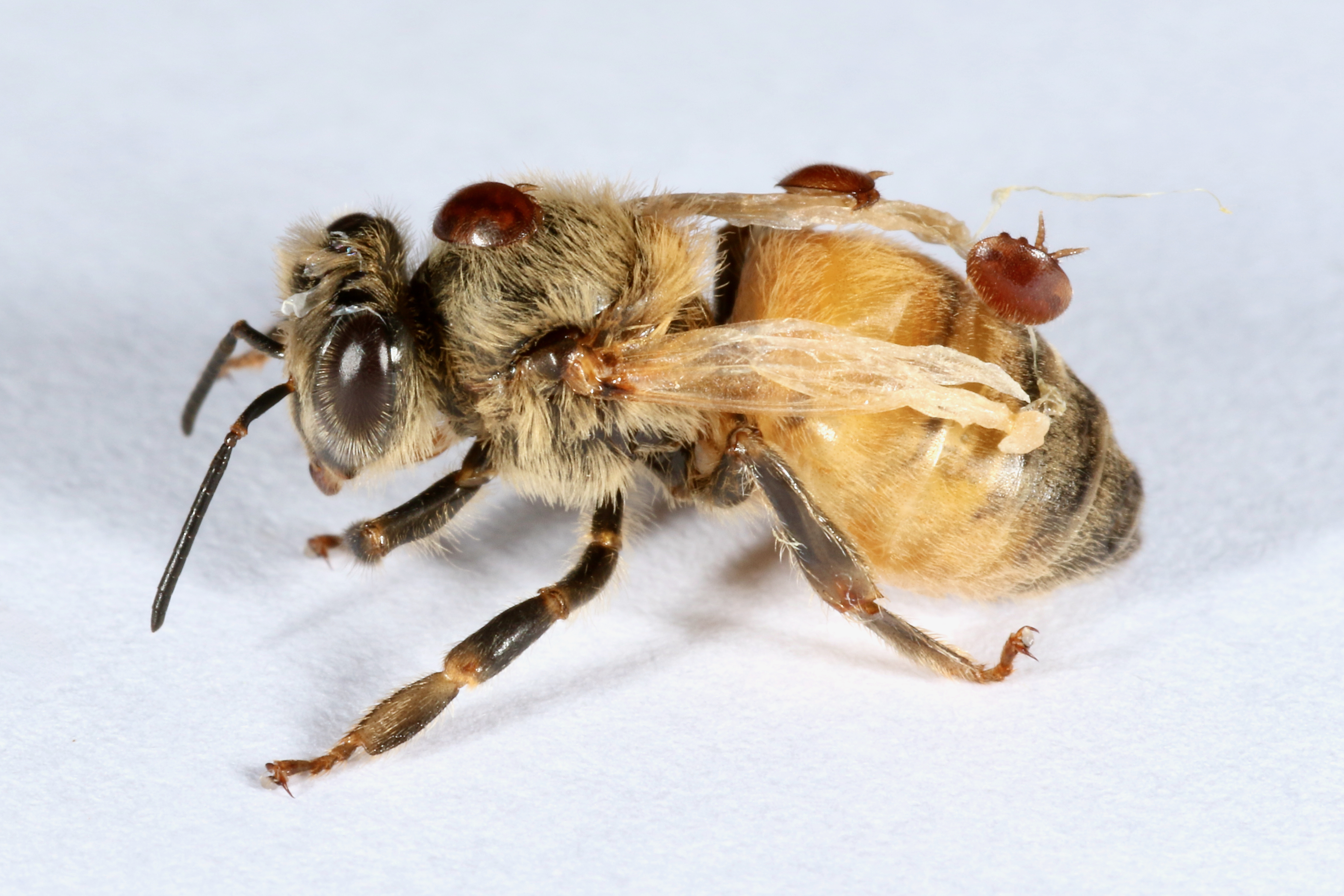
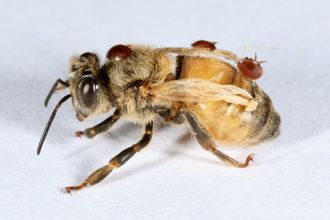
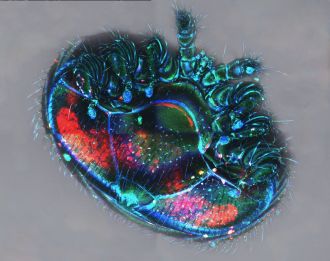
"The pest species we have targeted is the most devastating and important problem for honey bees: the parasitic mite, Varroa destructor. This parasite feeds on bees and spreads viruses, making it one of the most important challenges facing global beekeeping.
"Rather than killing adult mites directly, we have described how this biopesticide interferes with their ability to reproduce, meaning fewer new mites are produced in each generation.
"The product is safe for bees. In order to track individual bees we’ve placed tiny microchips (RFID tags) on honey bees in hives treated with Norroa™, and in hives without control for the varroa parasite. Bees treated with Norroa™ lived longer and had more foraging trips.
"A key advantage of this approach is its specificity, and it is safe for beekeepers to use. We found little or no evidence of harmful effects on honey bees themselves, including their survival, development, foraging behaviour, or honey production.
"In our field studies across New Zealand we found that Norroa™ can keep mite numbers low over time. However, it works best as a preventative or maintenance tool, rather than as a rapid “knock‑down” treatment when mite populations are already very high.
"Finally, we’ve explored how acceptable this technology is to beekeepers. Most respondents in New Zealand were open to using RNAi‑based treatments, particularly when safety and environmental risks are clearly addressed.
"There wouldn’t need to be any law change in NZ to allow the use of Norroa™ here. It would need to be registered through the EPA under the HSNO Act and under the Agricultural Compounds and Veterinary Medicines Act with MPI. But they are relatively standard applications that might take 2-3 years. It has been registered in the US through their EPA and I see that they now have it being registered in Europe. That process for NZ is up to the company that produces the product (GreenLight Biosciences Inc). They’d also need to then set the price."
"We think biopesticides like Norroa™ represent a promising new tool for managing varroa and many other pests. This technology and approach are increasingly being researched and developed for many other pest species around the globe. It has real potential to be a much safer way of controlling pests and substantially reducing our damaging human footprint on biodiversity and the environment."
Multimedia

Attachments
Note: Not all attachments are visible to the general public. Research URLs will go live after the embargo ends.


