 Sign In



News release
From:
Attachments
Note: Not all attachments are visible to the general public. Research URLs will go live after the embargo ends.

 International
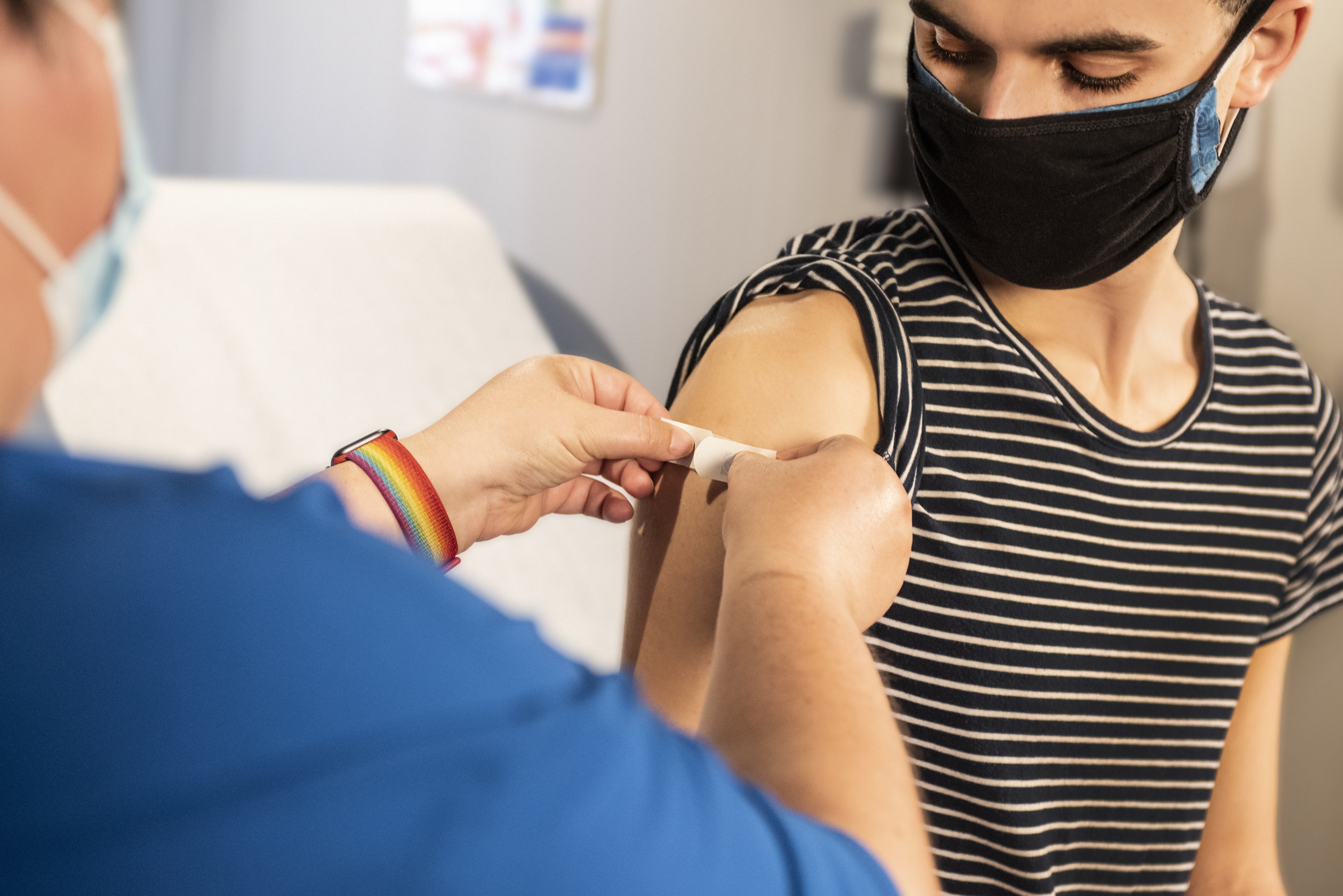
Those with a history of severe allergic reactions, including to vaccines or medications, are more likely to have an allergic reaction to the Pfizer or Moderna COVID-19 vaccines, according to international research. Using vaccination and health data from about 50,000 US health care employees vaccinated in late 2020/early 2021, the researchers say 11.6 per cent of those who had previously reported a severe allergic reaction to a vaccine, medication or allergen had a reaction to at least one of their vaccine doses. 4.7 per cent of those who had no previous allergy history had a reaction. The most common allergic reaction was hives, and most of the allergic reactions to vaccines did not prevent the employees from having their second dose.
From:
Note: Not all attachments are visible to the general public. Research URLs will go live after the embargo ends.

