 Sign In



 International
News release
From:
Dairy farms in California may transmit H5N1 virus through multiple sources
Study suggests transmission is not limited to direct contact with contaminated milk
The H5N1 strain of highly pathogenic avian influenza H5N1 has been detected in over 700 herds of dairy cows in California, the largest dairy-producing state in the U.S. A study published May 5th in the open-access journalPLOS Biology led by Seema S. Lakdawala at Emory University School of Medicine, U.S. and Jason Lombard at Colorado State University, U.S. suggests that avian influenza (H5N1) is transmitted through multiple, previously unknown sources and that some H5N1 positive cows do not show clinical signs of infection.
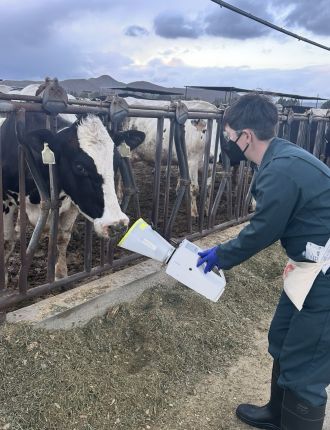
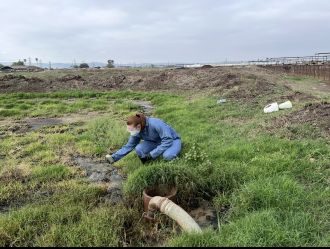
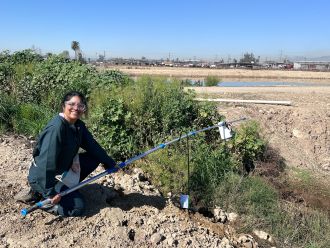
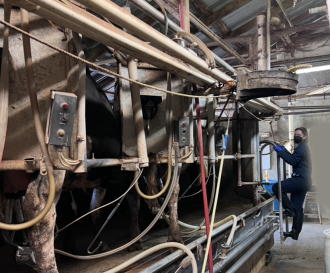
H5N1 may spread on dairy farms through direct contact with unpasteurized milk, such as via contaminated milking equipment. However, the full picture of how the virus can be spread on farms with infected cows is unclear. In order to better understand transmission routes of avian flu on dairy farms, researchers took air, farm wastewater, and milk samples on fourteen dairy farms testing positive for H5N1 across two different California regions between October 2024 and January 2025. They tested all samples for the presence of virus and performed genome sequencing on detected virus to identify any genetic variants and mutations.
The researchers detected airborne virus from the exhaled breath of infected cows and in the dairy parlor, identified the presence of virus in the wastewater, and found a high prevalence of cows who tested positive for H5N1 despite being asymptomatic.
The extensive environmental contamination of infected dairy farms suggests a higher risk of viral spread from cows to humans and other animals. However, future studies are needed to validate these results as longitudinal sampling of individual cows was limited to only fourteen animals. Sampling across a larger sample of farms over a longer time period is also needed to support the findings.
Dr. Lakdawala notes, “Our data confirm the presence of infectious H5N1 virus in the air and reclaimed farm wastewater sites. In addition, we observed high viral loads and H5 antibodies in the milk of cows, including those without clinical signs, suggesting that multiple modes of H5N1 transmission likely exist on farms. These results identify additional sources of viral exposure for cows, peridomestic wildlife, and humans, highlighting the need for multiple mitigation strategies to reduce the spread of H5N1 within a herd and to humans.”
The authors add, “Detection of infectious virus in the air and waste streams on farms was surprising but highlights that there is a considerable amount of infectious virus on farms and multiple sources of infection exist.”
“Targeted interventions in the dairy parlors to reduce the amount of aerosols in the air and inactivation of sick milk prior to disposal will provide additional barriers to infection of farm workers and likely other farm animals.”
Multimedia

Attachments
Note: Not all attachments are visible to the general public. Research URLs will go live after the embargo ends.


