Sign In



 Australia; International; SA
News release
From:
An international study led by Flinders University has explored an unlikely source of inspiration to explain an important step in evolution – and it’s all about a load of poop.
The new study describes the ‘faecal revolution’ to explain a crucial turning point in animal and environmental evolution on Earth.
In a new article in Trends in Ecology & Evolution, fossil and evolutionary experts credit the buildup of lowly excrement for being a key cause for the ‘Cambrian Explosion’ about 540 million years ago, a brief period when the first marine ecosystems developed and most of the major animal groups started to appear.
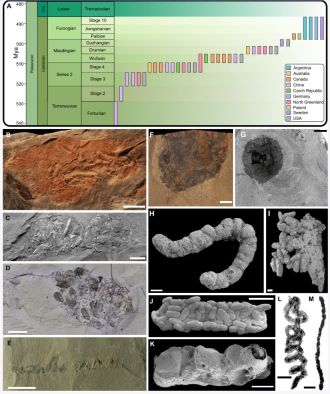
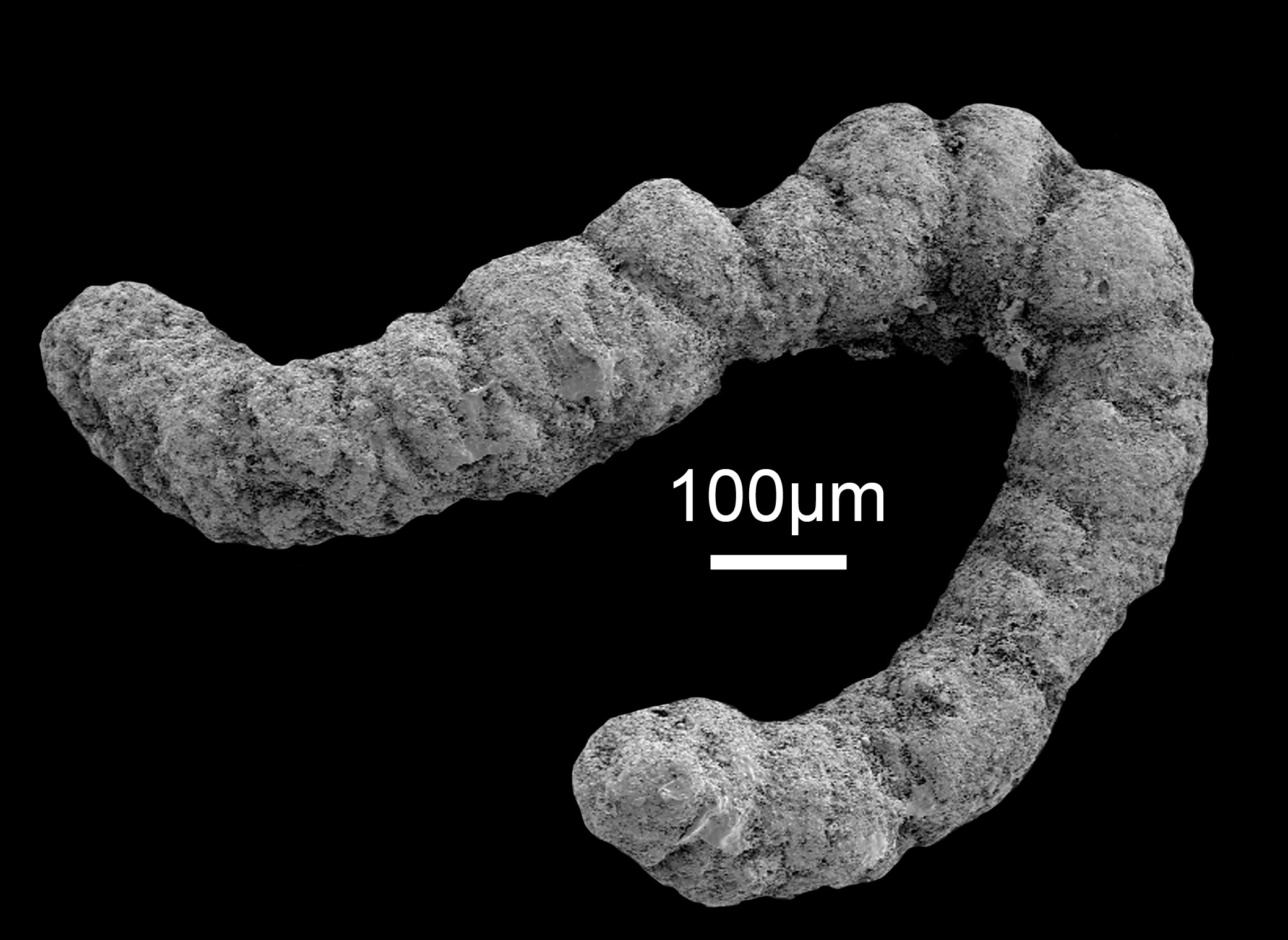
The scientists from Australia and Germany describe how these pieces of fossilised pellets or ‘coprolites’ deposited by primitive sea creatures in the early Cambrian times played a vital part in evolution, encouraging marine life to evolve and diversify.
The new research gives an alternative view to this remarkable diversification.
“Next to rising oxygen levels and other contributing factors, the importance of faeces in ancient ecosystems is often overlooked,” says Dr Russell Bicknell, an Australian Research Council Early Career Researcher Award (DECRA) fellow at Flinders University’s College of Science and Engineering.
“We have considered these ancient diets, increasingly sophisticated digestive systems and trophic interactions as part of a much bigger picture to help explain how more organic matter and nutrients poured into the ancient oceans to accelerate ecosystem development at the end of the Ediacaran and early Cambrian periods.”
After the earliest animals appeared around 600 million years ago during the Ediacaran Period, more complex digestive systems and the first fossilised coprolites start to appear at the onset of the Cambrian Period.
Dr Bicknell, with lead author Dr Julien Kimmig from Germany’s Karlsruhe Institute of Technology (KIT), says the complexity, shapes and sizes of coprolites and fossil gut systems increased as the Cambrian progressed – with evidence of this from more than 35 deposits around the globe.
“The faecal matter includes microscopic pellets through to centimetre-scale coprolites containing shells and other animal fragments,” says Dr Bicknell, an evolutionary biologist and palaeobiologist who specialises in arthropods.
“With this shift, we see increasingly complex digestive systems, particularly in early anthropods which evolve specialised foreguts and digestive glands capable of processing a wider variety of food.
“It becomes clear in the fossil record that the evolution of feeding strategies aligns with the production and distribution of organic carbon and nutrients to start creating conditions we see in modern oceans and later on land where fertiliser today is used to produce our food,” adds Dr Bicknell.
The review article – ‘The Cambrian fecal revolution: Fueling the Cambrian Radiation’ (2026) by Julien Kimmig and Russell DC Bicknell has been published in Trends in Ecology & Evolution (CellPress) Doi: 10.1016/j.tree.2026.06.013
Multimedia