 Sign In



 International
News release
From:
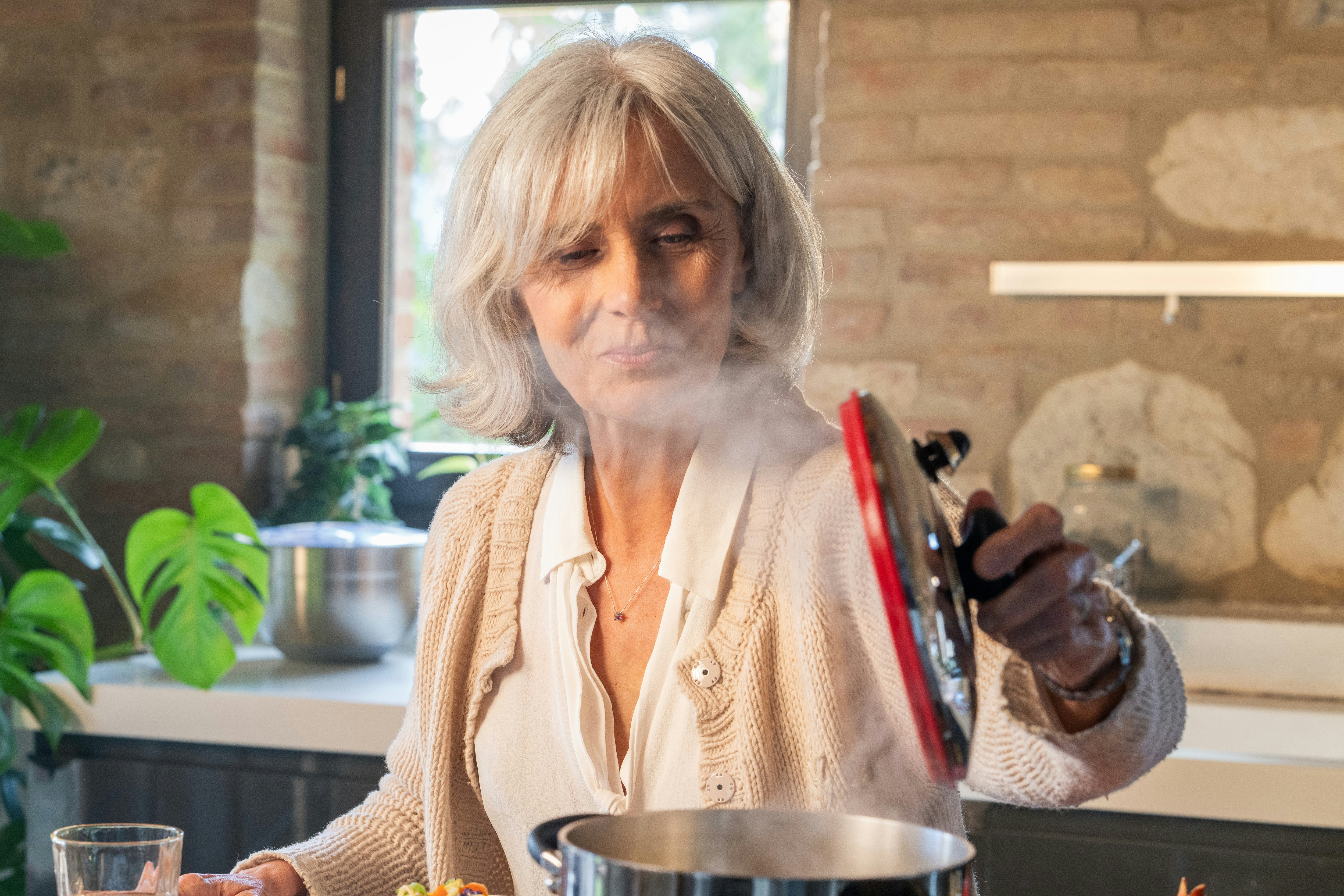
Preparing a home cooked meal at least once a week may cut older people’s dementia risk by 30%
This risk may be 70% lower in novice cooks with few culinary skills, study suggests
Preparing a home cooked meal at least once a week may cut older people’s risk of dementia by 30%, suggests research published online in the Journal of Epidemiology & Community Health.
And this risk may be 70% lower in older novice cooks with few culinary skills, the findings indicate.
Over the past few decades, people have increasingly come to rely on restaurants, takeaways, and frozen food rather than cooking their meals at home, note the Japanese researchers.
But for older people, meal preparation is not only an important source of physical activity, but also cognitive stimulus, they add.
As such, they wanted to find out if the frequency of home cooking might be associated with the incidence of dementia and if this might depend on the level of cooking skills.
They drew on 10,978 participants, aged at least 65, from the Japan Gerontological Evaluation Study, whose cognitive health was tracked for 6 years up to 2022.
A fifth of the participants were aged 80+ and half were women. A third had fewer than 9 years of education, and 40% had an annual income of less than 2 million yen (under £10,000/US$ 12,500). More than half were retired.
Participants filled in questionnaires on how often they cooked meals from scratch at home, ranging from never to more than 5 times a week, as well as the extent of their culinary competence. This was assessed on 7 skills, ranging from the ability/inability to peel fruit and vegetables to the ability/inability to make stews.
Around half of the participants cooked at least five times a week, while more than a quarter didn’t. Women and those who were experienced cooks tended to cook more meals at home than men and those who were inexperienced cooks.
Cases of dementia were ascertained from data in the public insurance system, which captures functionally significant cognitive impairment requiring care.
During the tracking period, 1195 people developed dementia (cumulative incidence 11%); 870 died and another 157 moved away before developing dementia.
Analysis of the data showed that greater cooking frequency was associated with a lower risk of dementia in both men and women, but differed according to the extent of culinary competency.
Cooking from scratch at least once a week was associated with a 23% lower risk of dementia in men and a 27% lower risk in women than cooking less than once a week..
And for those with few cooking skills, cooking a meal from scratch at least once a week was associated with a 67% reduction in the risk of dementia.
While a high degree of culinary competency was also associated with a lower risk of dementia, cooking frequency didn’t reduce the risk of dementia further.
These findings held true after accounting for potentially influential factors, such as lifestyle, household income, and years of education, and they were independent of other activities positively associated with cognitive reserve, such as crafting, volunteering, and gardening.
This is an observational study, and as such, no firm conclusions can be drawn about cause and effect. And cases of mild dementia would not have been included in the registry data and the classification of cooking skills may not have differentiated between those cooking simple meals because they didn’t like cooking and those unable to cook, the researchers highlight.
The findings may not apply more widely because what food is eaten, and how it is prepared, vary from culture to culture, they add.
Nevertheless, they conclude: “Creating an environment where people can cook meals when they are older may be important for the prevention of dementia.”
Attachments
Note: Not all attachments are visible to the general public. Research URLs will go live after the embargo ends.


