HIV-remission from a sibling stem cell transplant

Publicly released:
International
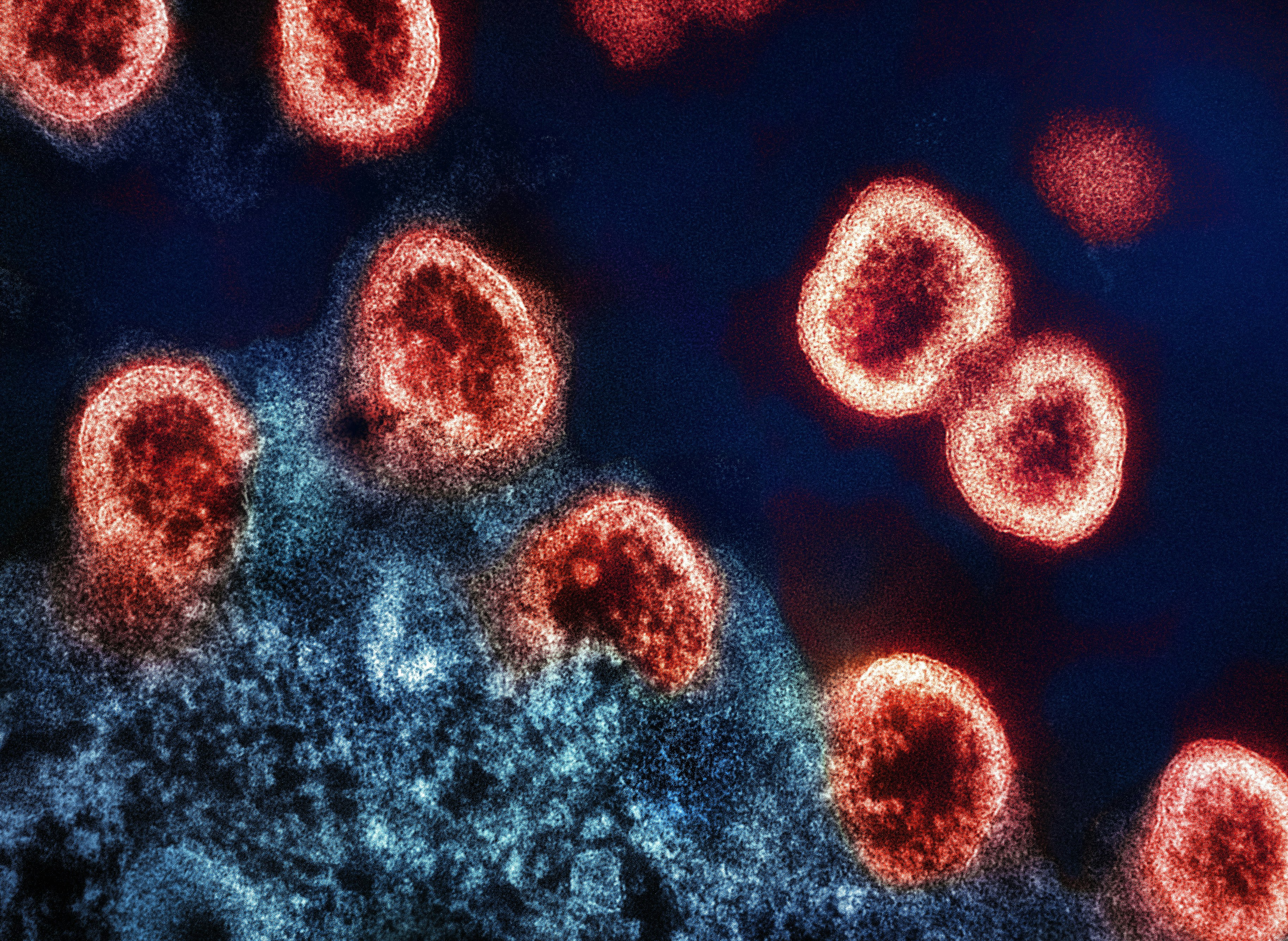
Photo by National Institute of Allergy and Infectious Diseases on Unsplash

Long-term HIV remission has been achieved in a patient following a stem cell transplant from a sibling carrying a specific genetic mutation, according to international researchers. The 63-year-old man was diagnosed with HIV-1 subtype B in 2006 at 44 years of age. In 2020, he received a stem cell transplant from a sibling with the CCR5Δ32/Δ32 mutation to treat a type of blood cancer. Over time, the donor’s cells were found to replace the patient’s own immune cells in the blood, bone marrow and gut tissues. Analyses of biopsies taken two years after the transplant showed no HIV genetic material integrated into the DNA of the man's infected cells — in blood or gut samples. Further analysis of the man's cells showed no virus capable of multiplying.

News release

From: Springer Nature

Medicine: Sibling stem cell transplant linked to long-term HIV remission

Long-term HIV remission has been achieved in a patient following a stem cell transplant from a sibling carrying a certain genetic mutation, according to research published in Nature Microbiology.

HIV can remain hidden in pockets of cells across various tissues in the body even when effective treatment keeps the virus under control, which is why stopping antiretroviral medication normally causes the virus to return. However, previous cases of remission after stem cell transplantation have highlighted the potential of donor cells containing the CCR5Δ32/Δ32 mutation, which removes a receptor that HIV commonly uses to infect cells.

Anders Eivind Myhre, Marius Trøseid and colleagues analysed samples from a 63-year-old man, who had been diagnosed with HIV-1 subtype B in 2006 at 44 years of age. In 2020, he received a stem cell transplant from a sibling with the CCR5Δ32/Δ32 mutation to treat myelodysplastic syndrome, a type of blood cancer.  Antiretroviral therapy was subsequently discontinued 24 months afterwards. Over time, the donor’s cells were found to replace the patient’s own immune cells in the blood, bone marrow and gut tissues. Analyses of biopsies taken two years after the transplant showed no proviral HIV DNA — viral genetic material that is integrated into the host DNA of infected cells — in blood or gut samples. When the authors examined more than 65 million CD4⁺ T cells from the patient, they detected no virus capable of multiplying. The patient also had no detectable HIV‑specific T-cell responses, and his HIV antibody levels declined over four years after transplantation, although he remained positive for antibodies against one HIV protein, the Env protein.

The findings suggest that receiving donor cells resistant to HIV, combined with full replacement of immune cells across different parts of the body, may help to reduce or remove HIV reservoirs. However, it is not possible to know how much each factor contributed, and early samples were limited. The authors note that stem cell transplantation is not a practical approach for most people with HIV, but studying these cases can help identify signs that predict long‑term remission and guide future research.

Journal/
conference:
Nature Microbiology
Research:Paper
Organisation/s: Oslo University Hospital, Norway
Funder: Research in the JM-P lab was supported by the Spanish Ministry of Science and Innovation (grant nos. PID2019-109870RB-I00, PID2022- 139271OB-I00 and CB21/13/ 00063, Spain), NIH/NIAID (grant nos. 1 UM1 AI164561-01 and 1P01AI178376-01, USA), EU HORIZON-HLTH- 2021-DISEASE-04-07 (grant nos. 101057100 and 101095606, European Union), Research Centers of Catalonia (CERCA, grant no. 2017 SGR 252, Spain), Fundació La Marató de TV3 (grant no. 202120-30-31-32, Spain), Generalitat de València (grant no. PROMETEO/2021/ 036, Spain) and Grifols (Spain). M.S. was supported by the Miguel Servet Fellowship Program (grant no. CP22/00038) and I+D+I RTI-A Grant (grant no. PID2023-147320OB-100) from the Ministry of Science and Innovation. Work in the O.S.S. lab was funded by the Danish Council for Independent Research (grant no. 3101-00360B OSS), Central Region Denmark Research Fund, the Lundbeck Foundation (J.D.G.: grant no. R381–2021–1405), The Novo Nordisk Foundation (grant no. NNF24OC0095086) and Aarhus University. Research reported in this publication was also supported by the National Institute of Allergy and Infectious Diseases of the National Institutes of Health (award no. 1R01AI184285; O.S.S.).
Media Contact/s
Contact details are only visible to registered journalists.