 Sign In



 Australia; VIC; WA
News release
From:
High-salt diet linked to faster memory decline in men, ECU study finds
New research from Edith Cowan University (ECU) has found that higher sodium intake may negatively affect episodic memory, the type of memory used to recall personal experiences and specific events from one’s past such as where you parked your car or your first day of school.
The findings suggest that diets high in salt could have broader cognitive impacts than previously understood, highlighting the importance of dietary choices in supporting brain health.
The study measured the baseline sodium intake and cognitive decline of 1,208 participants over a 72-month period. It found males with higher sodium intake showed a faster decline in episodic recall.
Interestingly, no such associations were observed in females.
“The male participants also exhibited higher blood pressure, which is influenced by sodium intake, but further investigation is definitely required into sex-specific approaches and how sodium intake could be incorporated as one modifiable lifestyle factor aimed at delaying Alzheimer’s disease onset,” ECU Adjunct Researcher Dr Samantha Gardener said.
While sodium serves several physiological functions and is inextricably linked to the maintenance of the body, high sodium consumption has consistently been associated with an increased risk of cardiovascular events and high blood pressure.
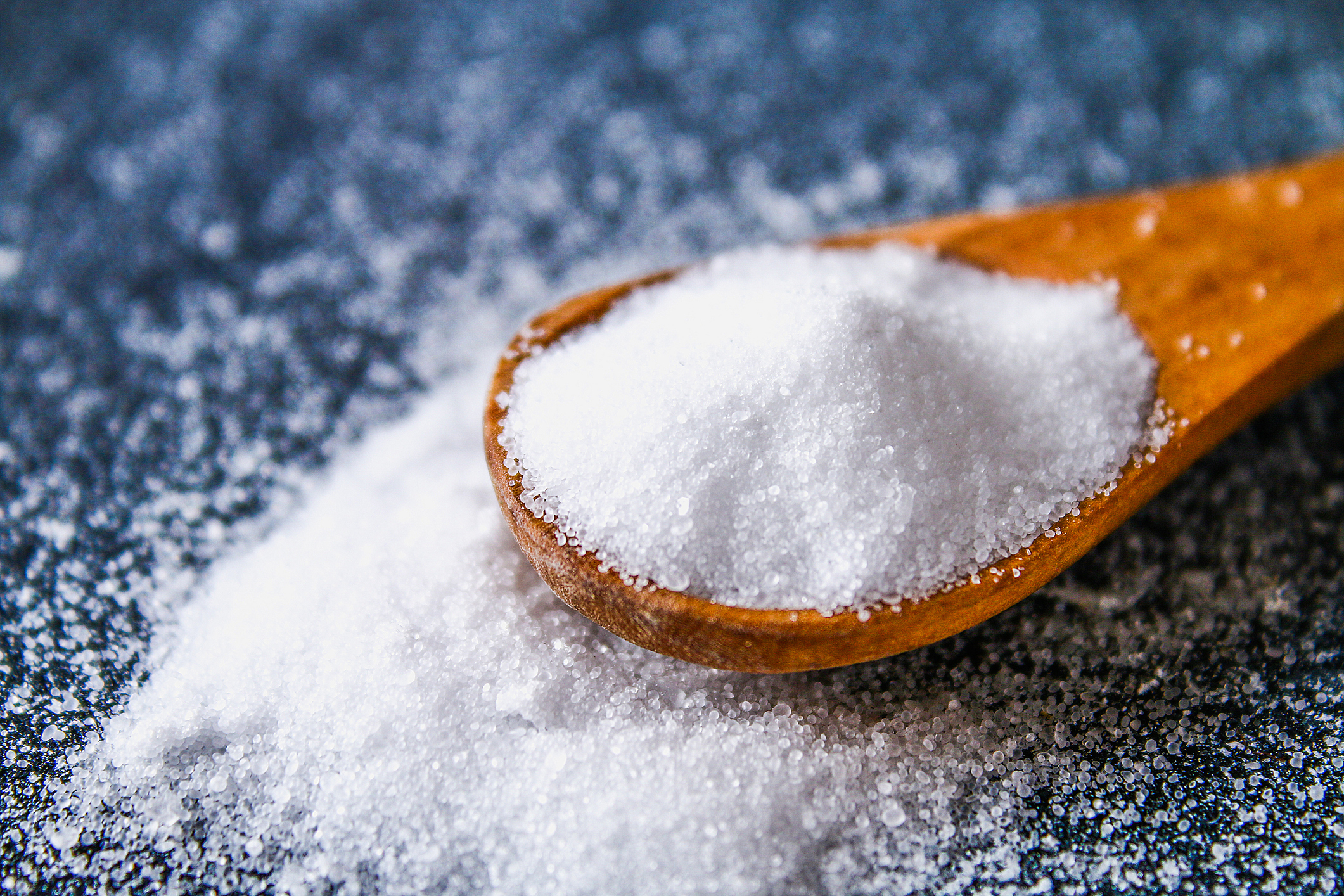
The Australian government’s health guidance is that adults should consume a maximum of 2,000 mg per day of sodium, which amounts to around one teaspoon of table salt, three to four slices of pizza, two burgers, 300 g of salted peanuts, or between 150 g to 180 g of deli ham.
Dr Gardener said that while the molecular mechanisms behind the process was not yet understood, it was thought that high sodium intake could contribute to inflammation in the brain, damage to blood vessels, and reduced blood flow to the brain.
“Our findings provide early evidence of a link between higher sodium intake and cognitive function, but more research is needed to fully understand how and why this relationship exists,” she said.
“There is some indication from previous studies that high sodium may contribute to processes in the brain associated with cognitive decline, however further investigation will be critical to determine the underlying mechanisms and inform future dietary recommendations aimed at reducing dementia risk.”

