High-dose vitamin D3 in pregnancy may be linked to better brains in kids

Publicly released:
International
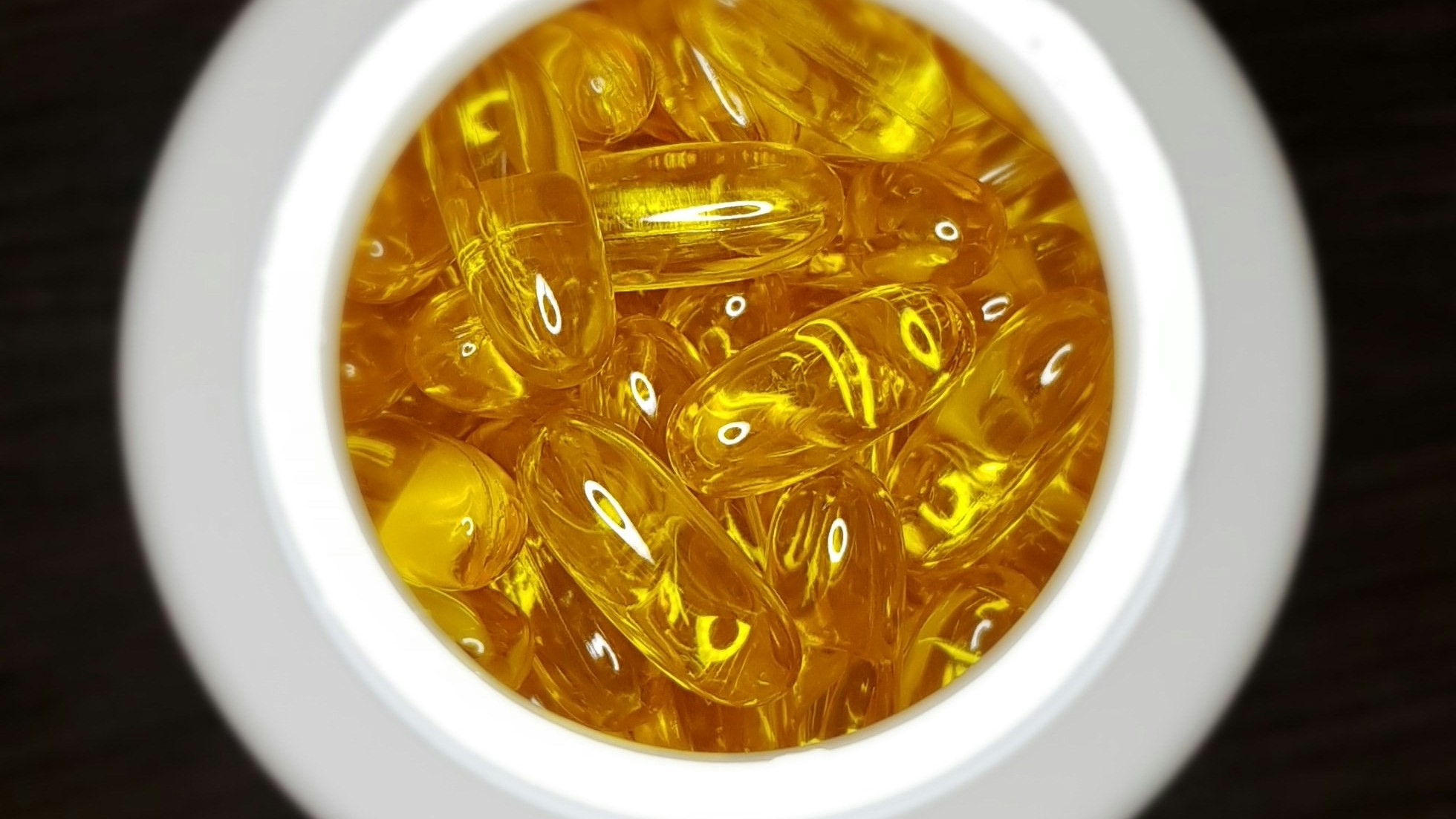
Photo by Roman I on Unsplash

Taking high-dose vitamin D3 while pregnant may be linked to improved brain function in your child, according to international research. The study of mothers in Denmark found that those who took high-dose vitamin D3 (2800 IU/d) during pregnancy were more likely to have kids with higher visual memory, verbal memory, and mental flexibility at age 10 years compared to mothers who took a standard dose of vitamin D3 (400 IU/d). The researchers say these findings strengthen the evidence linking vitamin D intake during pregnancy with childhood cognition.

News release

From: JAMA

High-Dose Vitamin D3 Supplementation During Pregnancy and Test-Based Cognitive Performance at Age 10
JAMA Network Open
About The Study: This post hoc analysis of a randomized clinical trial suggests that high-dose vitamin D3 supplementation in pregnancy is positively associated with visual memory, verbal memory, and flexibility or set shift among offspring measured at age 10 years. These findings strengthen evidence on the association of prenatal vitamin D exposure with childhood cognition.

#  #  #

Attachments

Note: Not all attachments are visible to the general public. Research URLs will go live after the embargo ends.

Research JAMA, Web page Please link to the article in online versions of your report (the URL will go live after the embargo ends).
Other UK Science Media Centre, Web page UK SMC Expert Reaction
Journal/
conference:
JAMA Network Open
Research:Paper
Organisation/s: University of Copenhagen, Denmark
Funder: All funding received by Copenhagen Prospective Studies on Asthma in Childhood (COPSAC) is listed on www.copsac.com. The Lundbeck Foundation (grant R16-A1694); The Ministry of Health (grant 903516); Danish Council for Strategic Research (grant 0603-00280B), and The Capital Region Research Foundation have provided core support to the COPSAC research centre. This project has received funding from the European Research Council under the European Union’s Horizon 2020 research and innovation programme (grant agreement 946228) (Dr Chawes).
Media Contact/s
Contact details are only visible to registered journalists.