 Sign In



 Australia
News release
From:
High blood pressure impacts 2 in 5 Australian adults and many aren't aware
Consistently high blood pressure, known as hypertension, affects 2 in 5 Australian adults aged 18 and over, according to a new report published today by the Australian Institute of Health and Welfare (AIHW).
Hypertension in Australia provides a detailed picture on the prevalence of hypertension, how effectively it is managed and its impact on the health system including emergency department presentations, hospitalisations and deaths. It also examines differences across population groups and key characteristics.
‘Hypertension is a common but serious condition that can increase the risk of many chronic conditions such as stroke, coronary heart disease, heart failure, chronic kidney disease and dementia,’ said AIHW spokesperson Heidi Dietz.
In 2022, nearly 2 in 5 Australians aged 18 and over (39% or 7.2 million) had hypertension. It impacts a similar proportion of males (40%) and females (39%).
‘We see high blood pressure become more common as people get older – affecting around 85% of people aged 75 and over,’ said Ms Dietz.
‘However, it also affects many middle-aged adults including around 39% of people aged 45–54 and 57% of those aged 55–64.’
Among people living with hypertension, an estimated 40% had their condition under control and were taking antihypertensive medication. Control rates increased with age, from 18% among those aged 18–34 with hypertension to 49% among those aged 75 and over.
However, hypertension often presents with no obvious symptoms. Almost 2 in 3 (63%) adults with hypertension did not self-report the condition, indicating that they may have been unaware they had the condition. Undetected hypertension can mean missed opportunities for early treatment and avoidable complications.
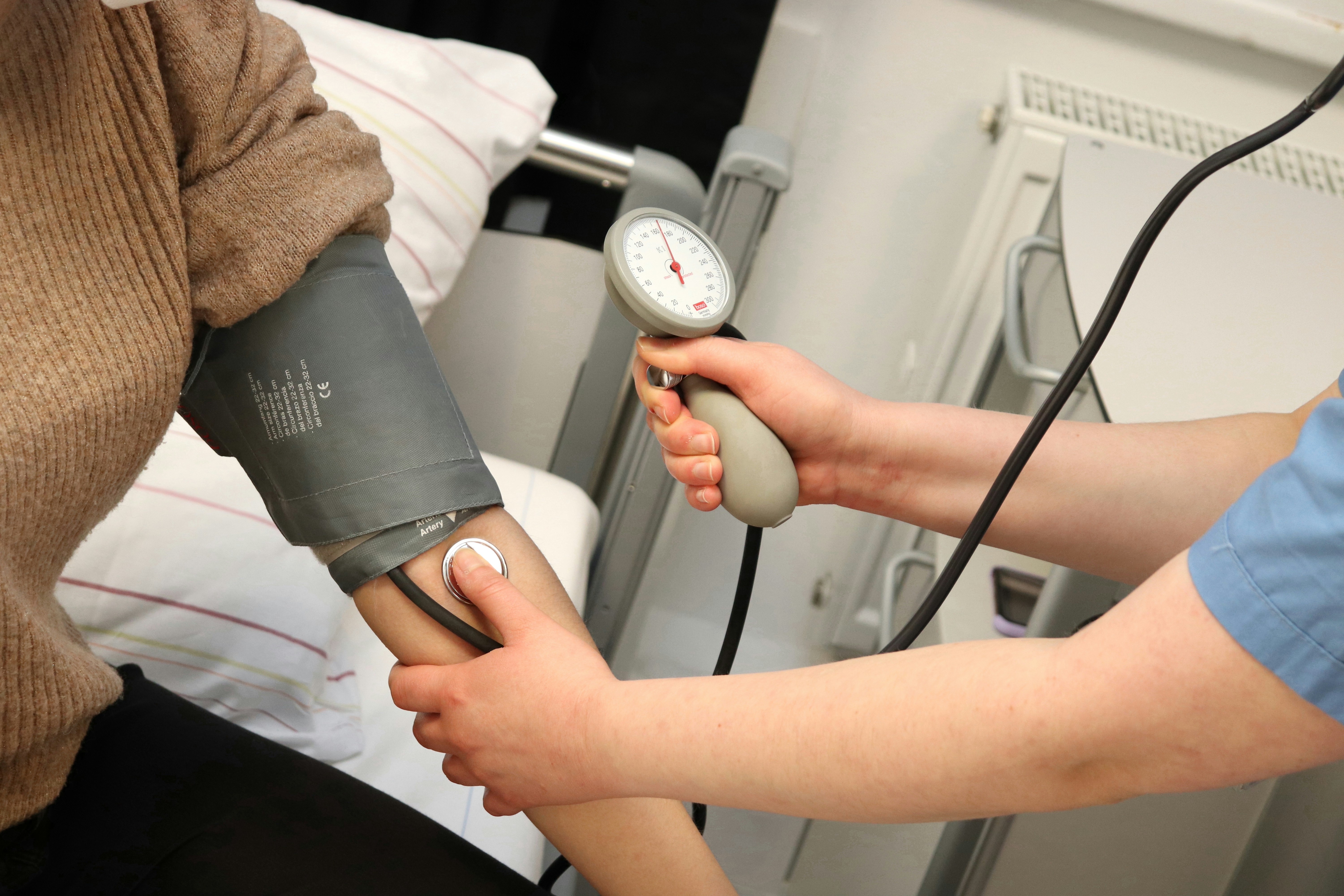
‘Because high blood pressure can go unnoticed, regular checks are essential for people to manage it early and reduce their risk of serious illness,’ said Ms Dietz.
‘Checks can be done in a range of settings including GP clinics or other primary health care services and repeated measurements are often needed to confirm hypertension.’
‘Healthy habits such as eating a balanced diet, being physically active, not smoking, limiting alcohol intake and managing stress can help prevent or manage high blood pressure.’
Hypertension contributed to around 24,700 deaths in 2023, representing 13% of all deaths in Australia and a rate of 93 deaths per 100,000 population.
In 2024, 4.4% of total disease burden was due to high blood pressure as a modifiable risk factor, making it the 4th leading modifiable risk factor contributing to disease burden in Australia. The top 5 disease burdens to which high blood pressure contributed were hypertensive heart disease (61%), coronary heart disease (40%), stroke (37%), chronic kidney disease (35%) and atrial fibrillation and flutter (29%).
‘Pregnancy can be a time when high blood pressure first emerges, even for women with no previous history of the condition,’ Ms Dietz said.
Nearly 1 in 20 (4.9%) women aged 15–44 who gave birth in Australia had new onset hypertension in pregnancy.

