 Sign In



 International
News release
From:
Can near-infrared exposure help mitigate pesticide-impaired thermoregulation in adult bees?
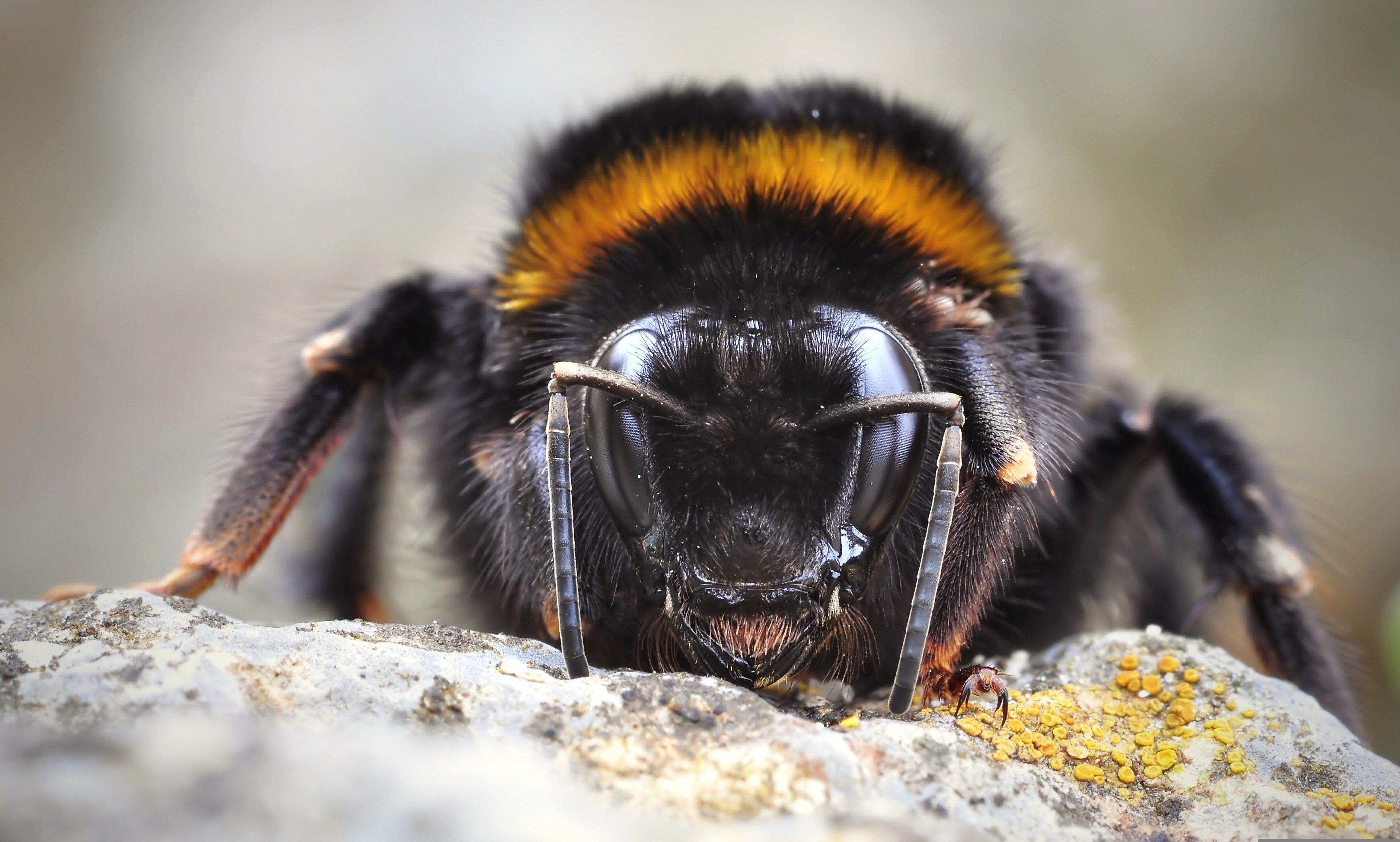
Insect pollinators, such as bees, are frequently exposed to pesticides in the environment. A growing concern is that despite such exposure not killing individuals, it could be impairing important behaviours needed for survival. Finding approaches to mitigate such impacts is therefore vital. First, we reveal that bumblebee thermoregulation can be impaired by pesticide exposure. Second, we provide evidence that near-infrared light therapy has the potential to partially counter this effect. With food security targets dependent on healthy pollinator populations alongside increasing climatic extremes, our findings hold promising potential for safeguarding these important organisms.
Heating the hive - Infrared heat lamps could help bumblebees counter the effects pesticides have on body temperature control. Researchers found exposure to neonicotinoid, a common pesticide, cause bee body temperatures to drop nearly 8°C over three days, potentially impairing their ability to fly and forage. However, just five minutes of near infrared light nearly halved the cooling effect. They suggest adapting commercial hives with said lights could be a potential way of “helping bees to buffer the effects of pesticide exposure”.
Attachments
Note: Not all attachments are visible to the general public. Research URLs will go live after the embargo ends.


