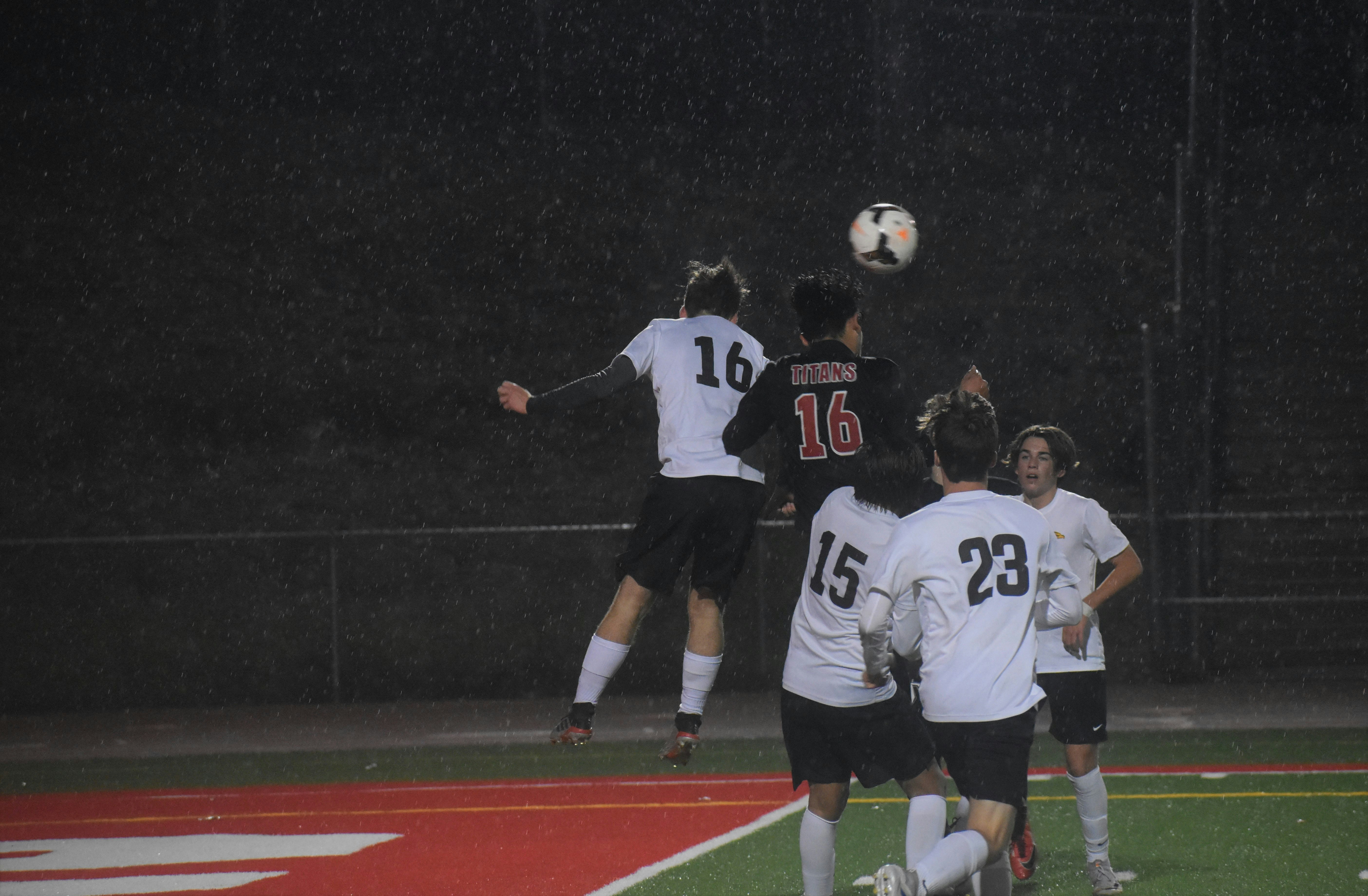
Heading a soccer ball linked to markers of brain damage in the blood

Publicly released:
International
Photo by Constantin on Unsplash

Heading a soccer ball, even at an amateur level, has been linked to higher levels of markers of neural damage in the blood after the match, according to international research. The researchers looked at levels of six markers that are linked to traumatic brain injury and neurodegenerative diseases, and found elevated levels of two markers in the blood of amateur players who had headed a ball during a game. The authors say that given the links between repetitive head impacts and neurodegenerative disease, these findings suggest that even amateur-level heading may acutely affect neural integrity.

News release

From: JAMA

Amateur Soccer Heading and Acute Elevations in Blood-Based p-Tau217 and S100B

About The Study: The findings of this case-control study show that soccer heading was associated with acute increases in blood biomarkers of neural damage, including dose-response relationships. These findings suggest that amateur-level heading may acutely affect neural integrity.

Attachments

Note: Not all attachments are visible to the general public. Research URLs will go live after the embargo ends.

Research JAMA, Web page Please link to the article in online versions of your report (the URL will go live after the embargo ends).
Other UK Science Media Centre, Web page UK SMC Expert Reaction
Journal/
conference:
JAMA Neurology
Research:Paper
Organisation/s: Emma Children’s Hospital, the Netherlands
Funder: This study was financially supported by The Royal Dutch Football Association
Media Contact/s
Contact details are only visible to registered journalists.