 Sign In



 Australia
News release
From:
Unveiled at the Natural Hazards Research Forum 2026 in Adelaide, the Australian-first Good practice principles for tracking potentially traumatic event exposure and organisational responses in emergency services guide formally endorsed by Australasian Fire and Emergency Services Authorities Council (AFAC), gives first response agencies a shared framework to track trauma exposure and organisational support.
Created as part of the Best practice for tracking and responding to potentially traumatic event exposure project, this is Australia’s first set of good practice principles for how fire and emergency service agencies track their workers’ exposure to potentially traumatic events (PTEs) and the support they receive.
Led by Phoenix Australia – Centre for Posttraumatic Mental Health and funded by Natural Hazards Research Australia, the research addresses a longstanding critical gap: while agencies across Australia have long understood that their people face repeated traumatic experiences, no agreed, evidence-based standard for how organisations should track those experiences to ensure a consistent, proactive response.
This research could fundamentally change how Australia’s emergency agencies understand and protect their first responders from the psychological toll of the job.
The principles were formally endorsed by AFAC’s Mental Health and Wellbeing Working Group and approved by the AFAC Council, setting a new benchmark for psychosocial safety across the sector.
WHY THIS RESEARCH MATTERS
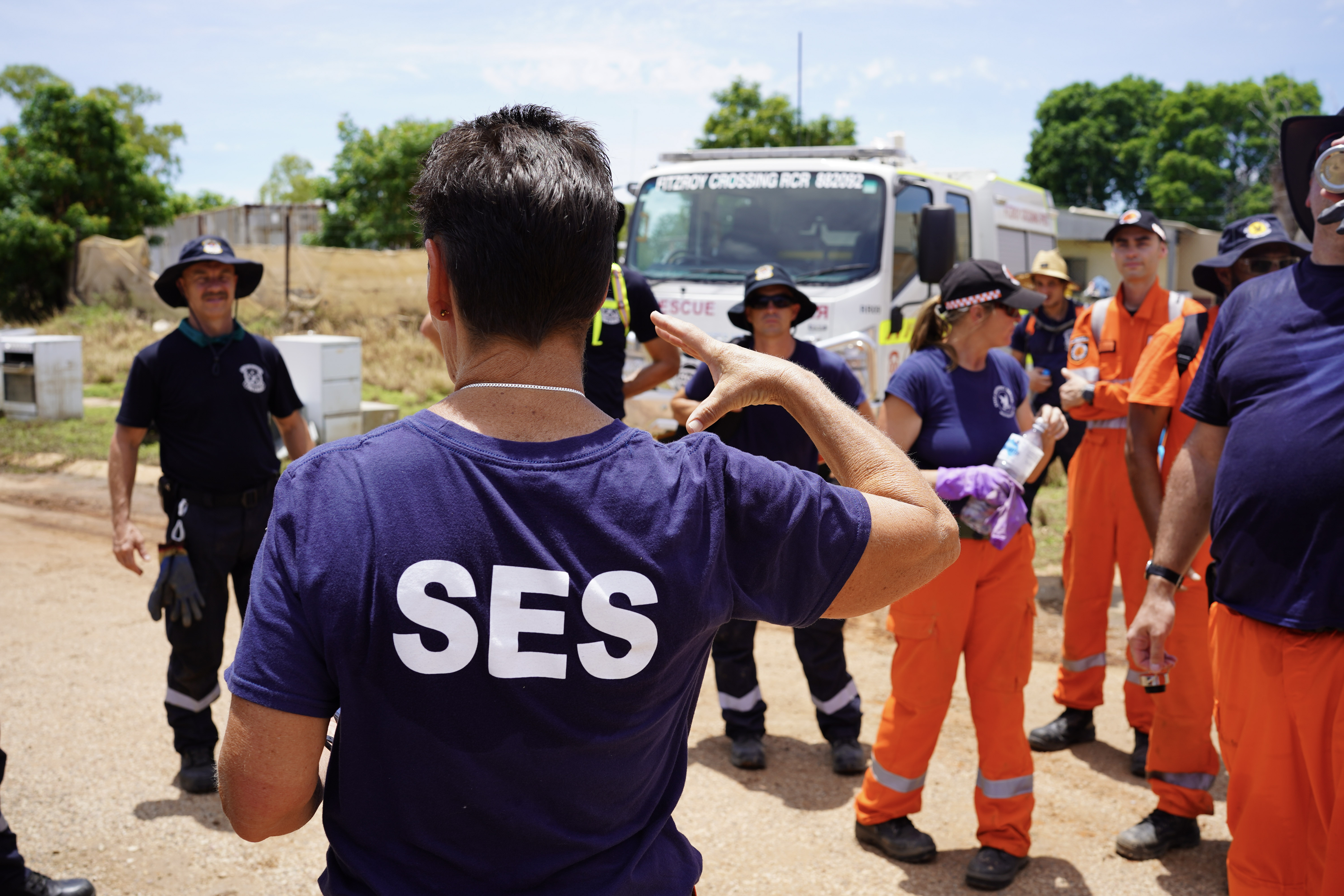
Emergency service workers — firefighters, State Emergency Service volunteers, paramedics and rescue personnel — are exposed to PTEs throughout their careers as an unavoidable consequence of the work they do.
These exposures range from witnessing death and serious injury to operating in life-threatening conditions, often repeatedly and over many years. The cumulative impact on mental health and wellbeing can be profound, with effects felt not only by individuals but by their families, their colleagues and their organisations.
Until now, approaches to tracking PTE exposure and organisational responses have varied widely across agencies, with limited evidence on the most effective approaches or those most likely to lead to improved worker wellbeing. Without a shared language, agreed guidance or practical tools to support organisations to assess whether their approach is fit for purpose.
This research changes that.
The project’s Final Report and the Good Practice Principles Guide are available for agencies, with further materials being developed to support self-assessment and systems improvement.
A FRAMEWORK BUILT WITH THE SECTOR, FOR THE SECTOR
The Good Practice Principles Guide outlines principles designed to be flexible and adaptable to each agency’s context. Not prescriptive standards but practical guidance for decision-making, helping agencies design, implement and continuously improve tracking systems that genuinely support their people.
Critically, the principles cover tracking workers’ exposure to PTEs, as well as tracking the organisational responses that follow. This dual focus recognises that identifying exposure is only valuable if that information is used to connect to meaningful, timely and appropriate support.
QUOTES
“Emergency service workers put themselves in harm’s way to protect our communities, and they deserve organisations that are equally committed to protecting them. This research gives agencies, for the first time, an agreed, evidence-informed foundation for how to track trauma exposure, allowing them to use this information to make better decisions and investments that genuinely support worker wellbeing. It has been built with the sector, and it reflects the sector’s real experience and real needs.”
— Alexandra Howard, Lead Researcher, Phoenix Australia [DRAFT FOR APPROVAL]
“Natural Hazards Research Australia was established to produce research that makes a real difference to real people. This project is exactly that. The mental health of our emergency service workers is not a peripheral concern — it is central to the resilience of our entire emergency management system. When we support our people better, we protect communities better. We are proud to have funded this work and to see it embedded in national practice through AFAC’s endorsement.”
— Andrew Gissing, CEO, Natural Hazards Research Australia [DRAFT FOR APPROVAL]
SIGNIFICANCE AND NEXT STEPS
The endorsement by AFAC means the Good Practice Principles carry sector-wide standing, giving agencies the authority and impetus to review their existing systems and align with the framework.
The principles are designed to evolve, with the project team recommending close monitoring of implementation and a formal review to capture lessons and ensure the framework keeps pace with emerging evidence and practice.
The research was presented at the Natural Hazards Research Forum 2026 (NHRF26), held in Adelaide from 10 to 12 June, where it forms part of a broader program exploring how research is translating into impact for Australian communities and the workers who protect them.
The Good Practice Principles Guide and Final Report are available for download at www.naturalhazards.com.au/tracking-pte.
ABOUT THE NATURAL HAZARDS RESEARCH FORUM 2026
Natural Hazards Research Forum 2026 takes place 10–12 June 2026 at the National Wine Centre, Adelaide, South Australia. The Forum is convened by Natural Hazards Research Australia and brings together disaster risk reduction and resilience practitioners, emergency services representatives, policy makers and researchers to engage with the latest research and evidence on natural hazards. For program information and registration, visit www.naturalhazards.com.au.
ABOUT NATURAL HAZARDS RESEARCH AUSTRALIA
Natural Hazards Research Australia is Australia’s national research centre for natural hazards, established in 2021 with funding from the Australian Government. The Centre conducts and supports research across the full spectrum of natural hazards — including bushfire, flood, extreme heat, earthquake and storm — to build the evidence base needed for safer, more resilient and sustainable communities. The Centre works in partnership with emergency management agencies, governments, industry and communities across Australia.
ABOUT PHOENIX AUSTRALIA
Phoenix Australia is an expert in trauma-related mental health and wellbeing. For over 30 years, it has been Australia’s National Centre of Excellence in Posttraumatic Mental Health and internationally recognised leaders in the field. Affiliated with the University of Melbourne, it is a not-for-profit organisation dedicated to understanding, preventing, and treating trauma. It translates trauma research into actionable policies, evidence-based treatments, and clinical training for high-risk organisations, governments, communities and individuals. Phoenix Australia is committed to driving forward the mental health agenda both at home and abroad.

