 Sign In



 Australia; International; WA
News release
From:
Green hydrogen goldmine: ECU researchers discover hidden energy source
As the world searches for sources of low-emission energy, researchers at Edith Cowan University (ECU) have uncovered a potential clean energy game-changer beneath Western Australia's red soil.
A new study has revealed a way to generate naturally occurring hydrogen that ECU experts say could help power Australia's future - and create a major export industry.
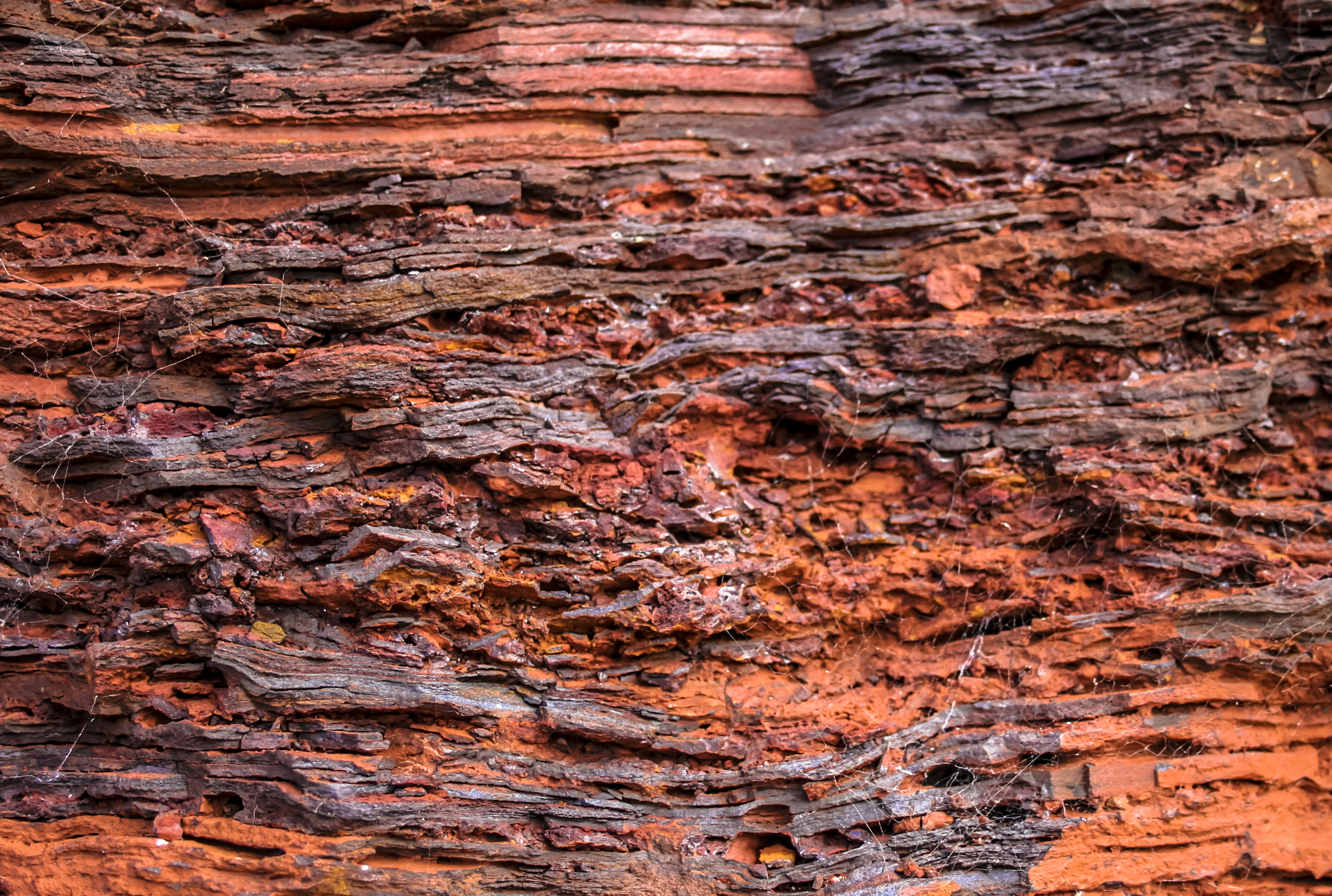
The breakthrough centres on magnetite, a mineral found in Western Australia’s vast iron ore deposits throughout the Pilbara region.
ECU School of Engineering researchers have discovered that when magnetite reacts with hot water deep underground, it can generate hydrogen gas.
The team has found a way to stimulate hydrogen production by injecting a solution into banded iron formations, significantly increasing the potential to harness this naturally occurring resource.
“Australia could be sitting on a massive, untapped energy reserve - and the potential is enormous,” Associate Professor Alireza Keshavarz said.
"There is enough hydrogen for Australia to benefit for generations, and potentially enough for us to become a major exporter of clean energy to the rest of the world."
To test the theory, researchers exposed magnetite samples to water at temperatures of 200°C and under high-pressure conditions for 60 days, replicating the environment found deep beneath the Earth's surface.
The research provides one of the clearest insights yet into how natural hydrogen forms underground and the conditions needed to sustain production.
"Western Australia has some of the world's largest banded iron formations. If we can unlock this resource at scale, it could be transformative for our energy future," lead author Kaveh Moghanirahimi said.
"We even see the potential for Western Australia to strengthen its energy independence during times of crisis through access to this naturally generated hydrogen."
Professor Stefan Iglauer, from ECU's School of Engineering, said the study moves the science closer to real-world hydrogen exploration.
"This work helps bridge the gap between laboratory experiments and real geological systems," Professor Iglauer said.
"Our findings show that hydrogen production depends not only on the amount of magnetite present, but also on how easily water can access fresh mineral surfaces through fractures, pores and permeable pathways."
The research, Geometry-driven controls on hydrothermal natural hydrogen generation from magnetite mineral, has been published in the International Journal of Hydrogen Energy.

