Sign In



 International
News release
From:
Evolution: Great apes and humans have been having a laugh for 15 million years *IMAGES, VIDEO, & AUDIO*
Great apes may have been laughing with a similar rhythm to modern humans for at least 15 million years, suggests a small study published in Communications Biology. The findings also suggest that laughter has become faster, more variable, and increasingly influenced by the situation it occurs in throughout great ape evolution.
All great apes laugh, including species closely related to humans, such as bonobos, and those more distantly related, such as orangutans. However, it has been unclear how the rhythm of laughter has evolved over time and how it might relate to the evolution of speech in humans.
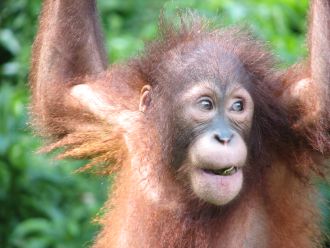
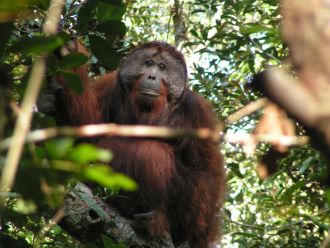
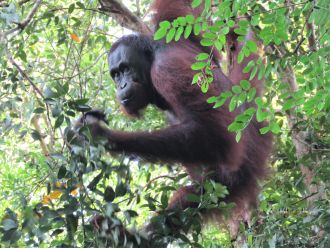
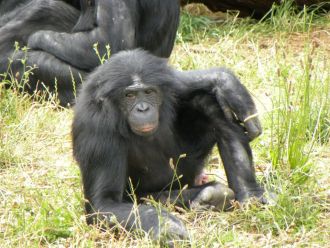
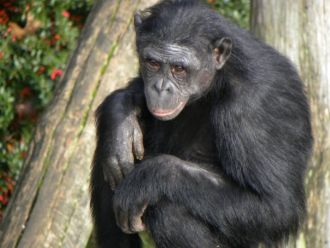
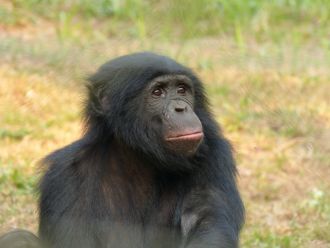
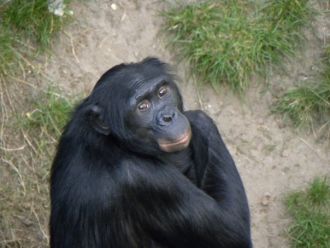
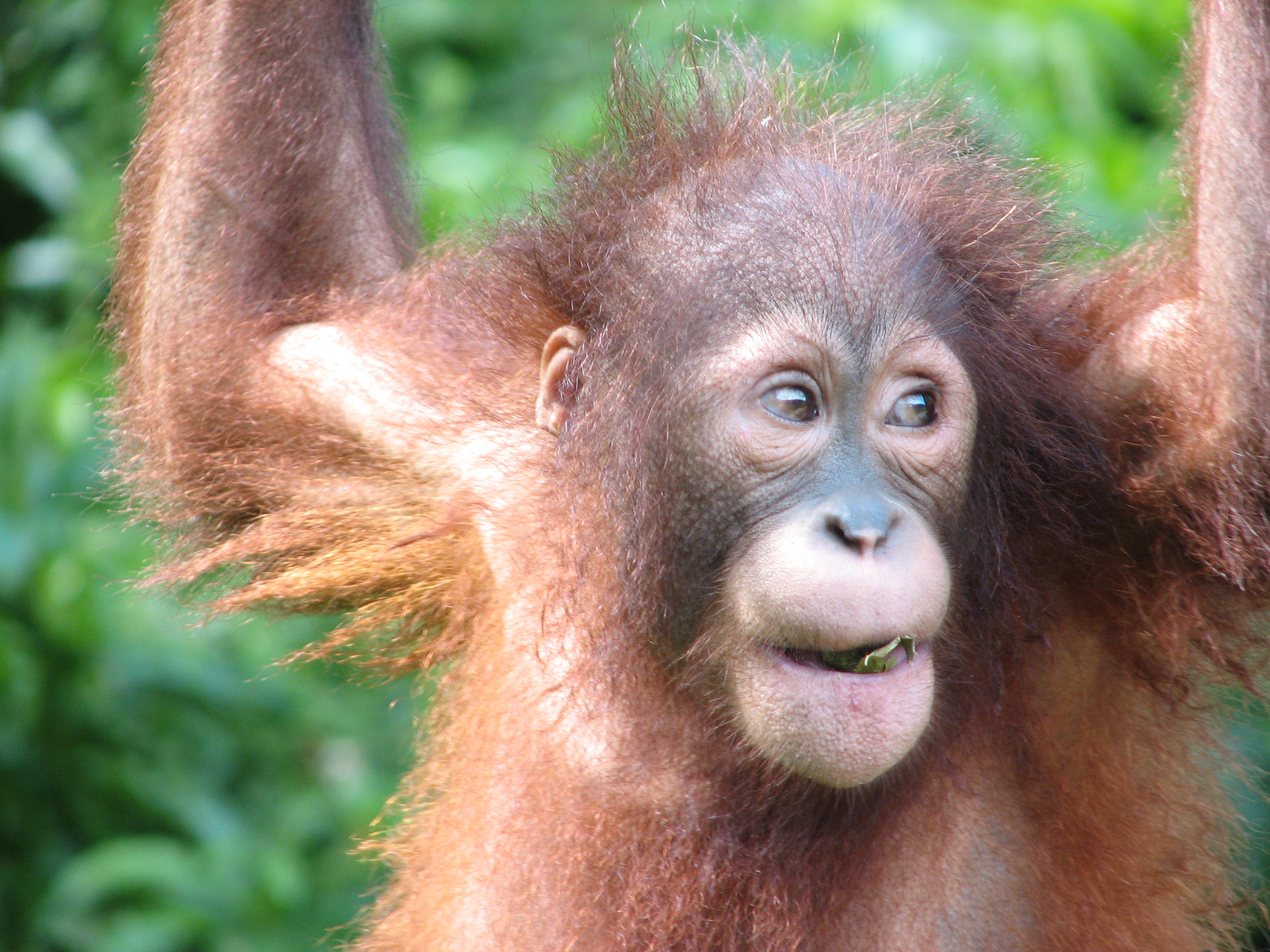
Chiara De Gregorio and colleagues analysed recordings of laughter from four orangutans (Pongo pygmaeus), two gorillas (Gorilla gorilla), three bonobos (Pan paniscus), four chimpanzees (Pan troglodytes), and four humans (Homo sapiens), aged from six months to seven years old. They examined 140 sequences of laughter and measured the timing between each burst of sound. They found that laughter across all species follows a regular rhythmic pattern, with evenly spaced intervals between successive sounds. As this pattern was present in all species studied, the researchers propose that this type of rhythmic laughter may have already been present in a shared common ancestor 15 million years ago. They also infer that laughter has become faster and more varied over time, as humans change the speed of their laughter depending on the situation — for example, producing faster laughter when tickled than during play — but other apes do not. Furthermore, the variability of laughter timing was greater in apes that were more closely related to humans.
The findings suggest that the flexibility and control of vocal sounds may have gradually increased throughout great ape and human evolution, which the authors speculate may have contributed to the emergence of speech and language. Further research in larger samples sizes is needed to confirm these findings.
Multimedia