Sign In



 Australia; Pacific; NSW; SA
News release
From:
While extreme weather and habitat changes can spell doom for many native animals, including insects, a different picture has emerged from a new study led by Flinders University.
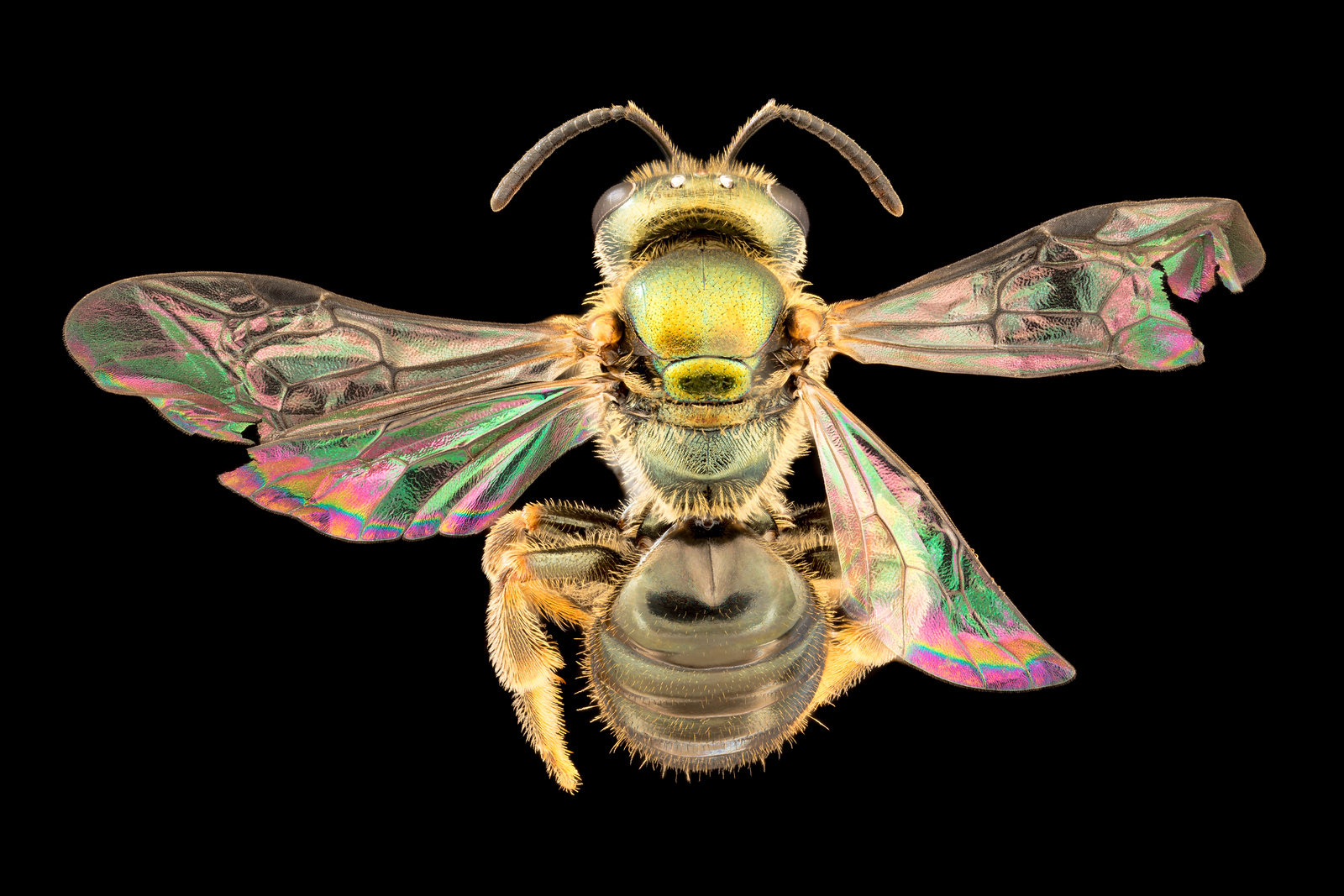
Long-running investigations into native bee populations of Fiji bees indicate several species of the lowland ‘sweat bees’ (genus Lasioglossum) have evolved and used their individual traits to resist human-driven environmental changes to survive and thrive.
“Our research suggests that all populations of the Fijian bees we sampled on the main island of Viti Levu have undergone recent population expansions, independent of climate change trends across the Pacific region,” says PhD researcher Patricia Slattery, from the Behaviour and Ecology of Terrestrial Anthropods (BETA) Lab at Flinders University. She is the first author of a new study published in the high-profile Journal of Biogeography.
“These are consistent with other studies finding that forest clearing and introduced plant species – including invasive plants – can actually increase nesting opportunities for Fijian bees, especially at lower elevation.
“This contrasts with other evidence that human occupation of Fiji has led to decreased biodiversity, including in some ants and other bees, while raising the possibility that human-mediated (‘anthropogenic’) environmental changes can actually benefit some native tropical insect groups.”
These surprising results come at a time when endemic, montane (mountain slope dwelling) tropical insects are recognised as some of the most vulnerable animals, and population declines have been recorded in many parts of the world.
However, researchers emphasise the study highlights an exception to the global trend of major losses of vital native pollinators in the face of environmental disruptions.
Co-author Dr Mike Schwarz says it appears the life history of these lowland native bees, in contrast to the forest-specialist masked bees, for example, has allowed them to adapt much better to human-induced changes.
“It is interesting to see how signals from ancient human arrivals have left their mark on the genetics of Fijian native bees,” he adds.
The research – ‘Anthropogenic effects, not climatic factors, are correlated with Holocene population expansion of an insular bee fauna’ (2026) by Patricia S Slattery, James B Dorey, Bruno Alves Buzatto, Mark I Stevens, Michael SY Lee and Michael P Schwarz – has been published in the Journal of Biogeography. DOI: 10.111/jbi.70341.
Multimedia