 Sign In



 Australia; SA
News release
From:
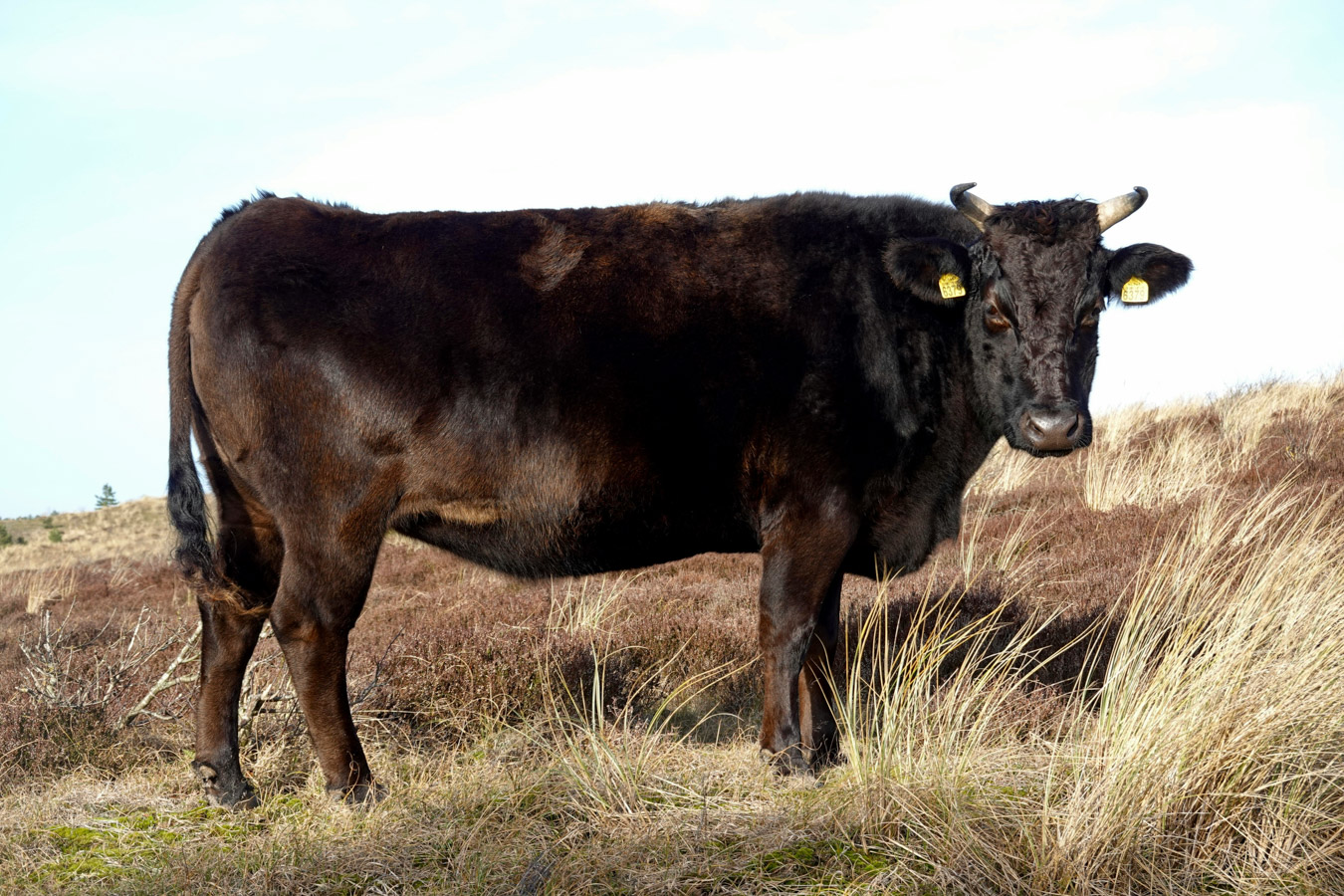
Researchers from the University of Adelaide’s Davies Livestock Research Centre (DLRC) have described the most complete cattle genome yet, in a study that will lead to improvements in Wagyu breeding and result in better beef marbling.
“We have presented a near complete cattle genome that is 16 per cent longer than the current reference genome,” said Dr Lloyd Low, from the DLRC and senior author of the study published in Nature Communications.
“This new Wagyu genome provides a much more complete and accurate view of the genetic blueprint behind one of the world’s most prized beef breeds,” said study co-lead author Paulene Pineda, from the University of Adelaide.
Dr Low’s discovery will have implications for profits in the beef industry.
“The Wagyu genome provides a foundational genetic resource to identify variants responsible for marbling and other traits affecting profit,” said Professor Wayne Pitchford, Director of the University of Adelaide’s Davies Livestock Research Centre and a co-author of the study.
The new cattle genome was able to be used to identify hundreds of new genes and detect more structural variants than was possible with the existing reference genome.
“These structural variants are an untapped genetic resource and some of them may be key to some of the prized traits of cattle. Moreover, they highlight the hidden diversity present within a seemingly homogeneous breed,” said Dr Callum MacPhillamy, a co-lead author of the study from CSIRO.
Associate Professor Cynthia Bottema, a co-author of the study also from the DLRC, said the advancement will have implications beyond Wagyu.
“Our new cattle genome means breeders now have a better tool that will allow for greater precision when identifying and selecting for traits like marbling, fertility and disease resistance – not only in Wagyu, but other cattle breeds as well,” she said.
Australian beef production totalled 706,296 tonnes for the quarter to June 2025, with the gross value of cattle and calves slaughtered reaching $4.9 billion. Recent data on Australian beef exports shows the sector is worth more than $1 billion.
Dr Low’s study was completed alongside the United States Department for Agriculture (USDA), which has a long history of collaboration with the University of Adelaide’s livestock research.
“Work completed jointly by the University of Adelaide and the USDA has led to the assembly of some of the world’s most complete livestock genomes,” Dr Low said.
“Together, we pioneered the trio binning method for genome assembly. This approach was also published in Nature Communications.”
While this work offers breeders and livestock researchers higher resolution data, Dr Low said he and his team are still in pursuit of further advancements in knowledge of the cattle genome.
“In this study, we successfully assembled the first complete cattle X chromosome and four autosomes. However, assembling the remaining chromosomes to the same level of completeness remains an aim for future work,” he said.
“Our next goal is to combine the Wagyu assembly with other high-quality cattle genomes to build a pangenome graph that better represents the full spectrum of genetic diversity in the species.”

