 Sign In



 International

News release
From:
Genetics likely made some people extra susceptible to obesity as society changed
Study finds the link between genetics and BMI has become stronger since the rise in obesity rates
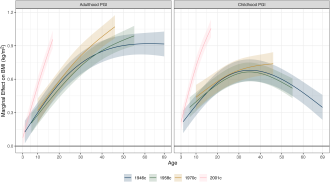
People who carry genetic variations linked to obesity are more likely to be heavier now than individuals with the same variants who were born before the recent obesity epidemic. Liam Wright of University College London, and colleagues, report these findings June 19 in the journal PLOS Genetics.
Over the past five decades, obesity rates have risen sharply for both children and adults. But strangely, rates of extreme obesity have increased faster than the overall increase in body mass index (BMI), an estimate of body fat based on a person’s height and weight. This trend suggests that some individuals are especially susceptible to environmental factors that encourage weight gain, such as the increasing availability of processed foods and decreasing amounts of physical activity. One cause of this susceptibility may be genetics.
To investigate this trend, researchers compared the BMIs and the presence or absence of multiple genetic variations previously linked to obesity in people from four British birth cohorts, born before or during the rise in obesity rates. The study included BMI data from early adolescence to adulthood for individuals born in 1946, 1958, 1970 and 2001 in Great Britain. Their analyses showed that these genetic variations were more strongly linked with having a high BMI in the two more recent cohorts, and were even more pronounced as people became older and among individuals with a higher BMI. These findings suggest that people with a genetic predisposition to having a higher BMI are likely more susceptible than others to changes in their environment that encourage obesity.
The researchers point out that the reason for the stronger association between genetics and BMI in the younger cohorts is unclear. However, they suspect that as the environment changed – with a rise in fast food restaurants and processed food – it may have enabled greater expression of genetic variants that encourage higher calorie consumption and, thus, higher BMI. They conclude that further work will be required to identify the specific environmental factors responsible for strengthening the link between genetics and BMI.
The authors add: "The obesity epidemic has increased BMI regardless of genotype, but it’s those most genetically predisposed to high BMI that have been most affected."
Multimedia

Attachments
Note: Not all attachments are visible to the general public. Research URLs will go live after the embargo ends.


