 Sign In



 International
News release
From:
The Lancet: Triple-action once-weekly injection can significantly lower blood sugar and body weight in people with type 2 diabetes, phase 3 trial shows
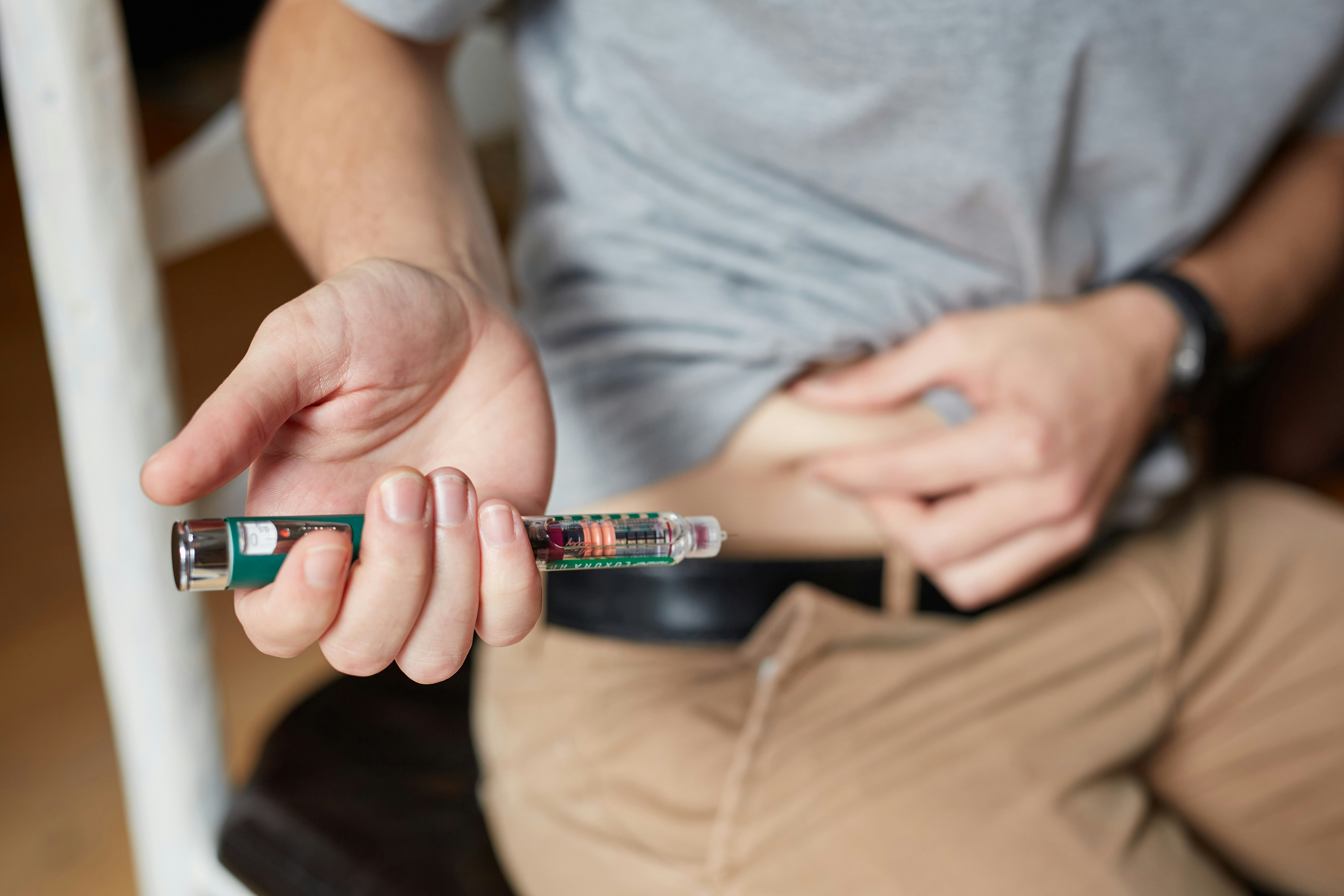
Phase 3 clinical trial results (TRANSCEND-T2D-1), published in The Lancet report that retatrutide, an investigational once weekly injection for diabetes management, can significantly improve blood sugar levels and lead to substantial weight loss in people with type 2 diabetes. The study included adults with type 2 diabetes who were not taking diabetes medicines and whose blood sugar was not adequately controlled with diet and exercise alone. After 40 weeks, the average drop in HbA1c (a long-term blood sugar measure) was about 1.7% to 1.9% for participants receiving retatrutide, compared with 0.8% with placebo. Participants also lost on average about 11.5% to 15.3% of body weight on retatrutide, versus 2.6% with placebo.
Retatrutide is part of an emerging generation of weight loss drugs called GLP-3 agonists and is designed to act on three receptors involved in metabolism: GIP, GLP-1, and glucagon. Unlike other widely used diabetes medications that primarily target the GLP-1 pathway or GLP-1 plus GIP, retatrutide also engages the glucagon receptor, leading to a combined effect that may lead to greater weight loss by lowering blood sugar, reducing appetite, and increasing energy expenditure. In the trial, side effects were most commonly gastrointestinal (such as nausea and diarrhea), generally mild to moderate, and improved over time.
The authors say this new triple-action medication has the potential to improve health outcomes for some patients, including greater weight loss, especially for those who may require more intensive treatment regimens to manage their type 2 diabetes. Additional clinical trials and longer-term follow-up are underway to confirm retatrutide’s safety and effectiveness.

