 Sign In



 International
News release
From:
Toxic masculinity: Y chromosome contributes to a shorter lifespan in male flies
DNA repeats on the Y chromosome become more active and toxic as male flies age
Males may have shorter lifespans than females due to repetitive sections of the Y chromosome that create toxic effects as males get older. These new findings appear in a study by Doris Bachtrog of the University of California, Berkeley published April 22 in PLOS Genetics.
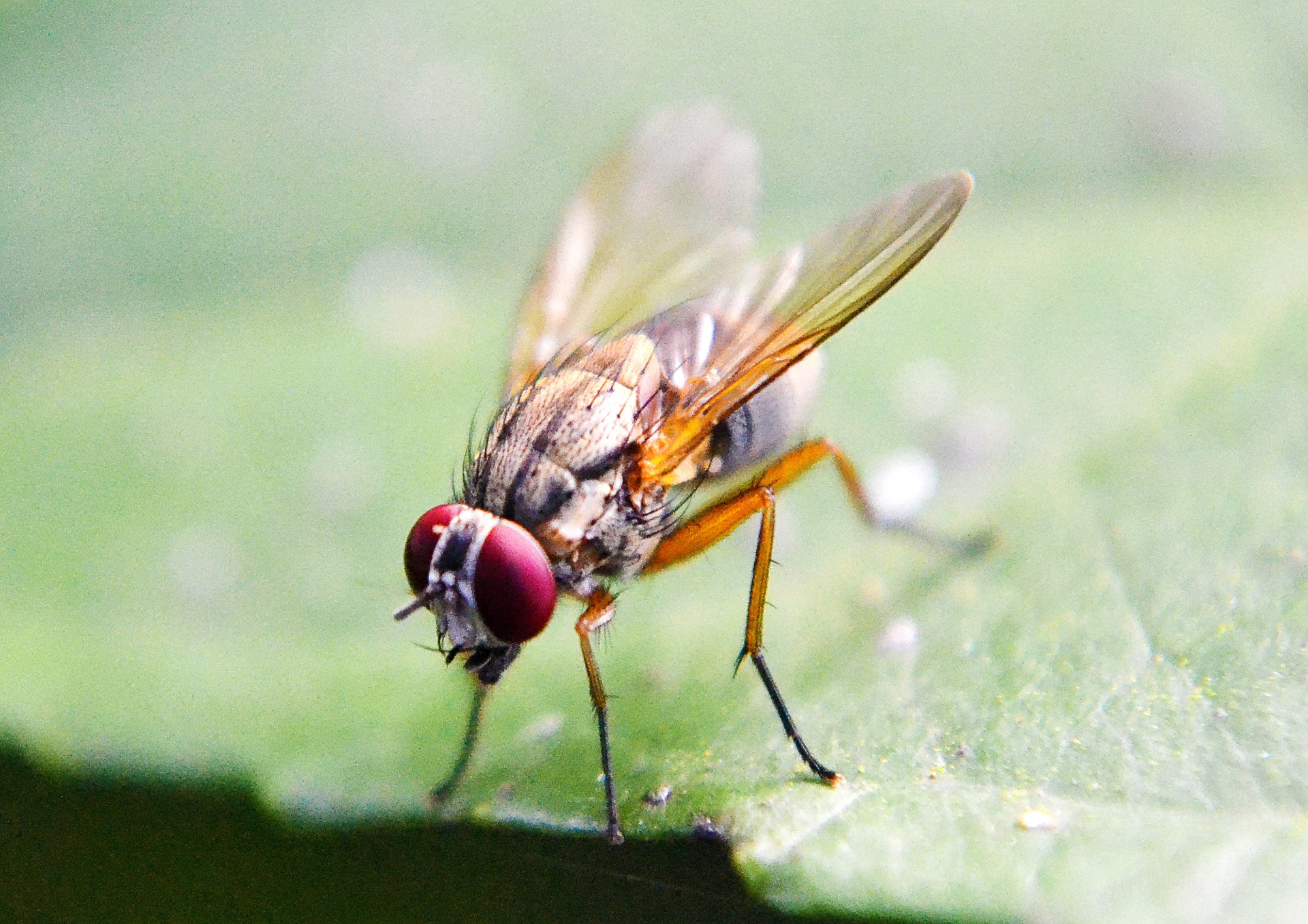
In humans and other species with XY sex chromosomes, females often live longer than males. One possible explanation for this disparity may be repetitive sequences within the genome. While both males and females carry these repeat sequences, scientists have suspected that the large number of repeats on the Y chromosome may create a “toxic y effect” that shortens males’ lives. To test this idea, Bachtrog studied male fruit flies from the species Drosophila miranda, which have about twice as much repetitive DNA as females and a shorter lifespan. They showed that when the DNA is in its tightly packed form inside the cells of young male flies, the repeat sections are turned off. But as the flies age, the DNA assumes a looser form that can activate the repeat sections, resulting in toxic side effects.
The new study demonstrates that Y chromosomes that are rich in repeats are a genomic liability for males. The findings also support a more general link between repeat DNA and aging, which currently, is poorly understood. Previous studies in fruit flies have shown that when repeat sections become active, they impair memory, shorten the lifespan and cause DNA damage. This damage likely contributes to aging’s physiological effects, but more research will be needed to uncover the mechanisms underlying repeat DNA’s toxic effects.
Attachments
Note: Not all attachments are visible to the general public. Research URLs will go live after the embargo ends.


