 Sign In



 International
News release
From:
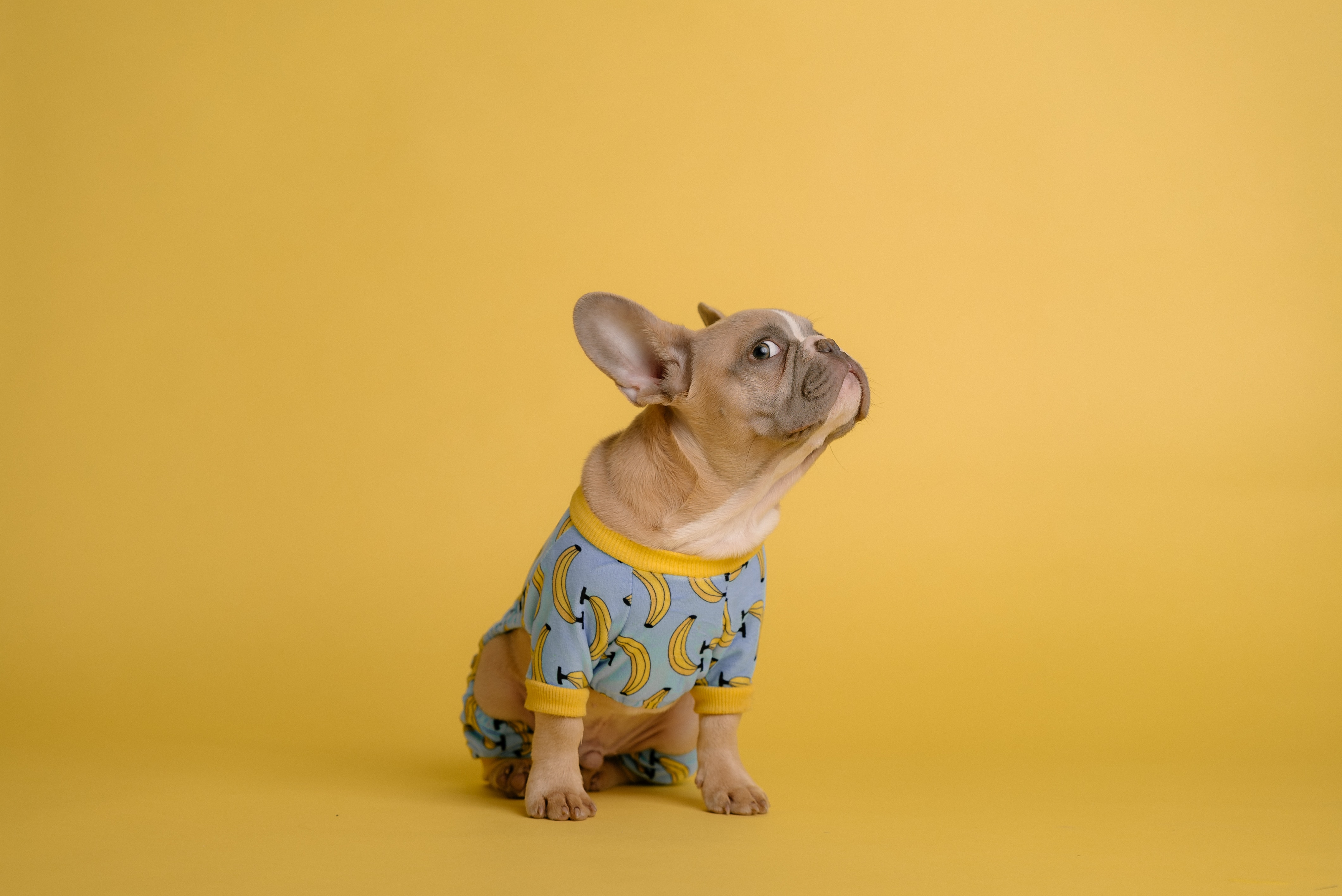
Animals: Flat-faced dogs may seem more helpless and infant-like to owners *IMAGES*
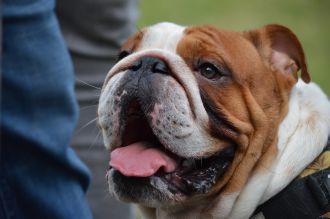
Flat-faced or brachycephalic dogs breeds such as English and French bulldogs may be likely to display ‘helpless’ traits by looking at humans more often than a longer-muzzled dog breed during a food retrieval task, suggests a small study published in Scientific Reports. The increased engagement with humans and lower levels of task success may make people consider these breeds as ‘infant-like’, which may partially explain their continuing popularity as pets despite noted health problems, according to the authors.
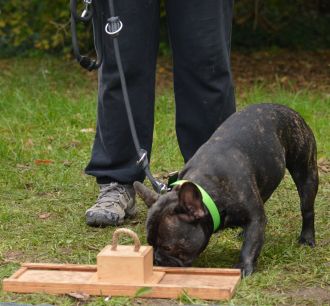
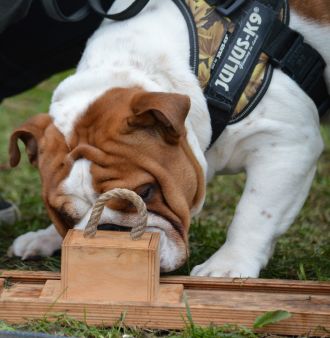
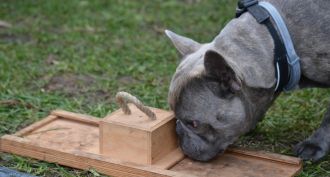
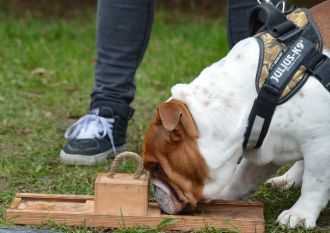
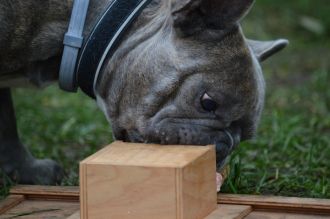
Dorottya Ujfalussy and colleagues assessed how the behaviour of 15 English bulldogs and 15 French bulldogs compared to that of 13 Hungarian Mudis (a herding dog with a mid-length muzzle) during a task in which the dogs had to try and open three boxes to retrieve a piece of food. The boxes involved different opening techniques, varied in difficulty (with Box A being the most challenging), and were presented to the dogs in a random order. All dogs observed the experimenter place a piece of Viener sausage in the box and were then given two minutes to attempt to open the box. During this time, the experimenter and the dog’s owner stood behind the dog out of direct sight.
Both English and French bulldogs were successful at opening the box 93 percent less often than Mudis. Successful Mudis were also quicker than successful bulldogs; by the time one minute had elapsed approximately 90 percent of Mudis had opened the box compared to approximately 50 percent of bulldogs. However, compared to Mudis, English and French bulldogs were 4.16 and 4.49 times as likely to look back at the people than Mudis.
The authors suggest that these findings indicate a propensity for short-faced dogs to seek out human assistance when faced with problems, which may in turn promote a stronger social relationship between owners and these breeds of dogs due perceived helplessness. However, this study could not establish whether flat-faced dogs are genetically predisposed to appear more dependent on humans than other dogs, or whether owners’ attitudes towards flat-faced dogs encourages dependent behaviour.
Multimedia

Attachments
Note: Not all attachments are visible to the general public. Research URLs will go live after the embargo ends.


